What does “slab typology” mean?
What it means
Slab typology refers to the specific, standardized classification system employed by third-party coin grading services like PCGS and NGC. When a coin is "slabbed," it means a professional service has authenticated its genuineness, assigned a numerical grade reflecting its condition (e.g., MS-65, AU-58), and sealed it in a tamper-evident holder. The typology is the entire package: the specific grading scale used, the certification number, and the assigned grade. This system acts as a verifiable, third-party guarantee of authenticity and condition, replacing subjective opinions with standardized metrics.
What it does to price
The presence of a reputable slab introduces a significant valuation layer. A coin graded and slabbed typically fetches a premium over its loose counterpart, often ranging from 1.5x to 4x, depending on the rarity and the grade achieved. A coin graded MS-67 by PCGS might sell for $1,500, while the same coin, if ungraded and in similar condition, might sell for $400 to $600. The grade itself is the primary multiplier; a jump from MS-63 to MS-65 can easily double the realized price.
How to spot it
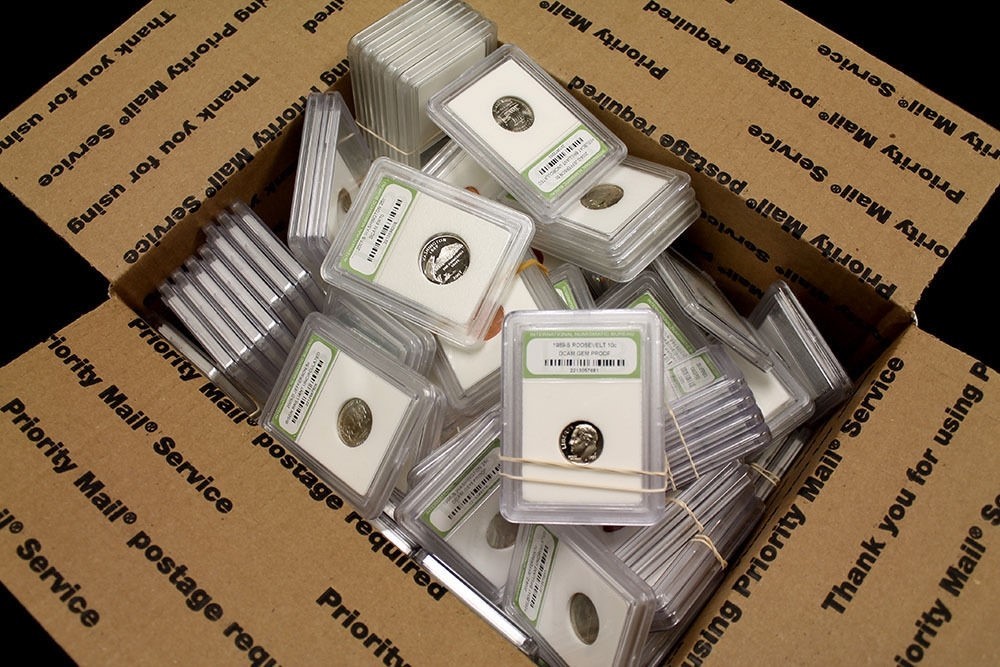
The tell is the holder itself. Authentic slabs are rigid, professionally manufactured plastic cases bearing the grading company's logo, certification number, and the assigned grade. Look for sharp, high-resolution images of the obverse and reverse printed directly on the slab. Common errors include poorly printed or faded labels, or holders that appear flimsy or cheaply molded. A common mistake is mistaking a dealer-encapsulation (a non-grading company seal) for a professional slab. Always cross-reference the certification number on the slab with the grading service's online database.
Buying smart
Paying the premium for a slab is justified when the coin is high-grade (typically MS-65 or better) or extremely rare. For common, low-grade coins, the cost of the slab and grading fees often outweigh the potential value increase. A fair deal means the premium paid for the slab aligns with the established market value for that specific grade. If a seller is asking for a 5x premium over the known loose market value without a corresponding major grade jump, the price is inflated.
Selling smart
Listing a slabbed coin immediately establishes credibility and reduces buyer risk, which directly translates to higher offers. The single most valuable element in a listing is a clear, high-resolution photograph of the *entire slab*, ensuring the certification number and grade are legible. Using the official grade (e.g., "PCGS MS-67") in the title is mandatory. This single piece of verified data allows buyers to bypass condition arguments and focus solely on the coin's intrinsic value.
On eBay right now
Current asking prices from live listings — not sold-comp medians.



eBay links are affiliate links: JunkPal may earn a commission at no cost to you.