What does “slab trend” mean?
What it means
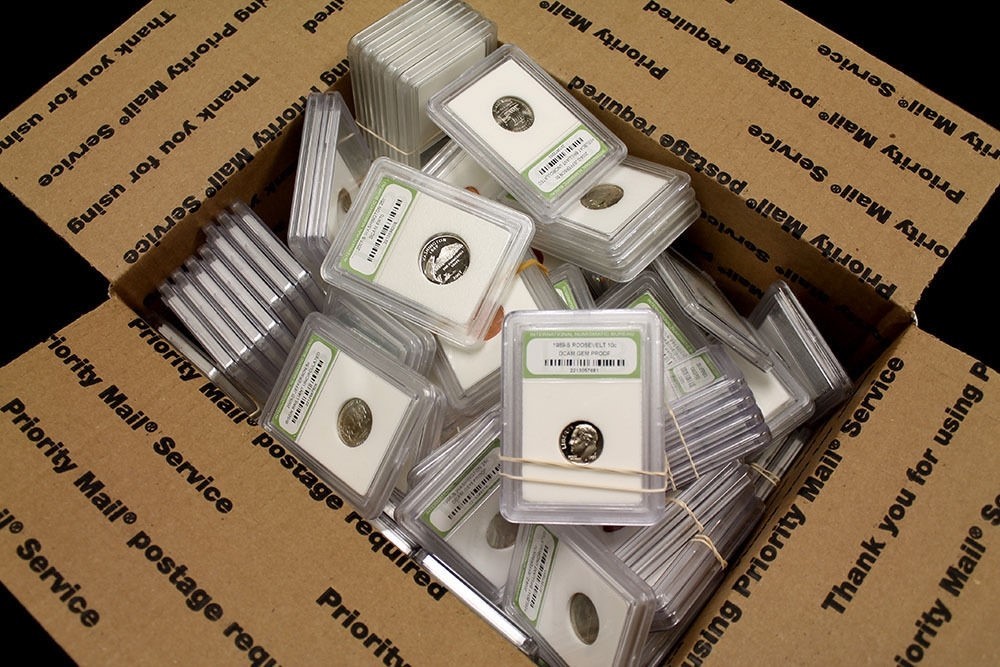
"Slab trend" refers to the current market direction of professionally graded coins. Grading services assign numerical scores based on condition; this score is the primary determinant of collectible value. The trend tracks whether the market for these certified, high-grade examples is generally rising, flat, or falling. This is the market sentiment regarding the stability or growth of graded assets. The mainstream equivalent is tracking the investment performance of a specific asset class, but focused exclusively on third-party authentication.
What it does to price
The slab designation acts as a significant, non-linear multiplier on price. A coin in a high-grade slab (e.g., MS-67 or higher) typically commands a premium of 3x to 10x compared to the same coin in uncertified, "loose" condition, assuming the grade is genuine. Upward trends drive this multiplier higher; a strong upward trend in a specific series can push the premium toward the higher end of the range. Conversely, a declining trend can cause the premium to compress, sometimes reducing the certified premium to only 1.5x loose value if buyer confidence wanes. For example, if a coin is trending down, a $1,000 slab piece might sell for $700 instead of the expected $1,200.
How to spot it
The trend is spotted by analyzing recent, completed auction results for the specific denomination and grade in question. Do not rely on general market commentary. Key indicators include the volume of high-grade sales versus low-grade sales. If high-grade sales are increasing in frequency and price, the trend is up. Sellers should provide clear, high-resolution photos of the slab itself, showing the certification number and the grading company's logo. Common issues include "grade inflation," where a coin is graded slightly higher than its true state, or misidentification of the slab's authenticity.
Buying smart
Paying a premium for a slab is justified when the coin is a known rarity or when the trend for that specific type is demonstrably upward. If the coin is common, the premium offered by the slab may not outweigh the risk of the market plateauing. A fair deal involves the realized auction price being within 10-20% of the established average for that exact grade in the last three months. If the asking price is significantly above the recent average, the premium is speculative, not based on proven market strength.
Selling smart
Presenting a coin in a recognized, reputable slab immediately validates its condition and authenticity, which is the core value driver. This shifts the sale from a condition gamble to a market transaction. The single most effective element in a listing is a clear, close-up photograph of the grading label/slab window showing the grade and certification number. This single detail justifies the highest tier of buyer interest and commands the maximum premium associated with the current slab trend.
On eBay right now
Current asking prices from live listings — not sold-comp medians.



eBay links are affiliate links: JunkPal may earn a commission at no cost to you.