What does “slab submission” mean?
What it means
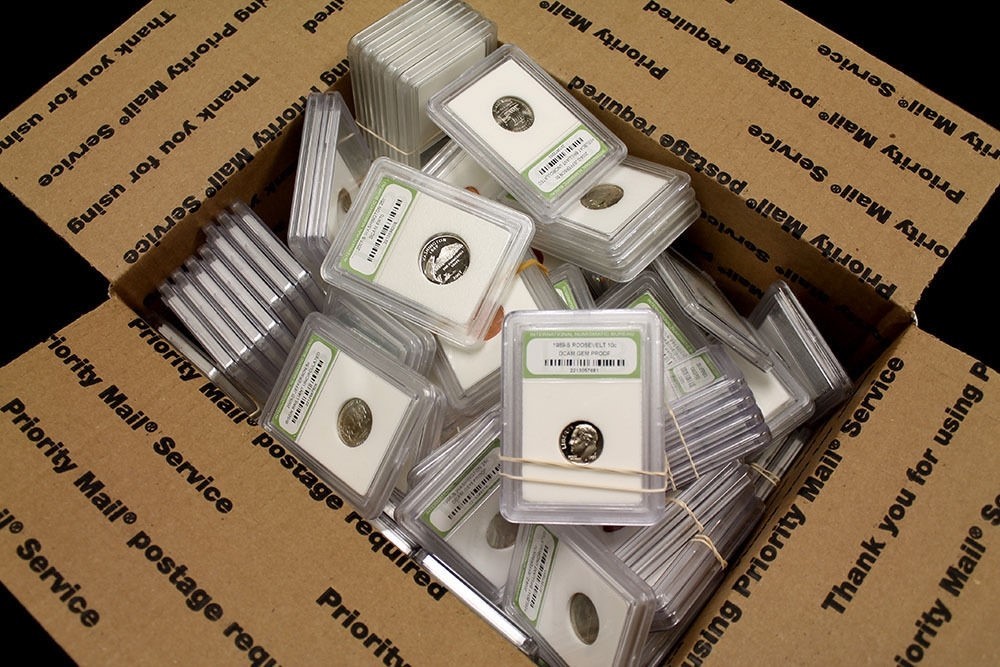
A slab submission is the process where a coin is sent to a recognized, independent third-party grading service, such as PCGS or NGC. The service inspects the coin for authenticity and assigns it a numerical grade, typically ranging from Poor (P) to Mint State (MS). This numerical grade is permanently sealed within a tamper-evident, protective plastic holder, known as a "slab." The slab itself is the physical evidence of the grading service's authentication and condition assessment. This process replaces subjective opinion with an objective, standardized metric recognized globally by the collecting community.
What it does to price
Professional grading introduces a significant valuation multiplier. A high-grade, slabbed coin typically commands a premium ranging from 2x to 10x the price of the same coin ungraded, depending heavily on rarity and the grade achieved. The multiplier is highest for coins in the top tiers (e.g., MS-65 and above). A coin graded MS-63 might sell for 1.5x its loose equivalent, while a coin graded MS-67+ could easily fetch 5x to 10x. Conversely, a coin graded significantly lower (e.g., AG-4) may only command a 1.2x premium, or sometimes less, due to the inherent limitations of the grade.
How to spot it
The primary tell is the presence of the official, sealed plastic holder bearing the grading company’s logo and the assigned grade. Sellers should provide clear, high-resolution photographs of both the coin itself and the entire slab, ensuring the grade and certification number are legible. Common issues include "re-slabbing," where a coin is removed from an old slab and placed into a new one—this is a major red flag. Honest mistakes involve sellers misrepresenting the grade or failing to disclose that a coin was previously submitted for grading.
Buying smart
Paying a premium for a slab is worthwhile when the coin is rare, highly sought after, or when the grade is critical to the market value (e.g., achieving a high-tier grade like MS-68+). If the coin is common or the grade is low (e.g., AG-2), the premium often does not justify the added cost of the submission fees and insurance. A fair deal involves the asking price reflecting the established market value for that specific grade; if the asking price is far above comparable sales data for that grade, it is likely inflated.
Selling smart
Listing a coin as "Professionally Graded" or "Slabbed" immediately filters the buyer pool toward serious, high-value collectors who rely on third-party verification. The single most effective element in a listing is providing a clear photo of the entire slab, with the grade prominently visible. This eliminates the need for the buyer to question authenticity, allowing the seller to command the premium associated with guaranteed condition and provenance.
On eBay right now
Current asking prices from live listings — not sold-comp medians.



eBay links are affiliate links: JunkPal may earn a commission at no cost to you.