What does “slab record” mean?
What it means
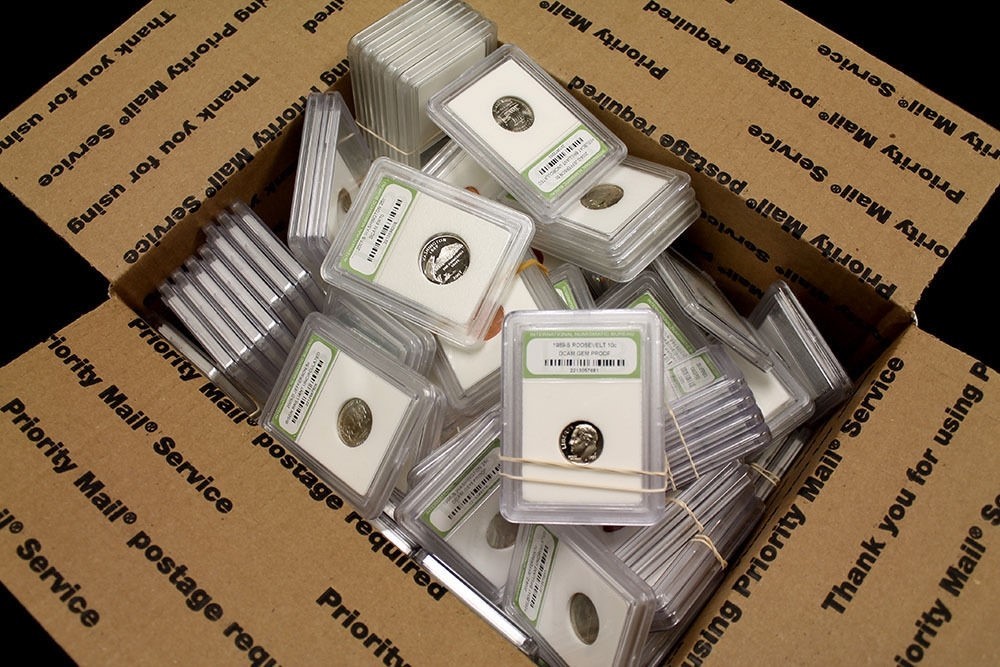
A slab record is a coin authenticated and graded by a recognized third-party grading service, such as PCGS or NGC. The coin is sealed within a tamper-evident plastic holder, or "slab." The service assigns a numerical grade (e.g., MS-65, AU-58) based on its authenticity, metal composition, and physical condition. This numerical grade is the coin's objective condition report. The slab acts as a verifiable guarantee of the coin's state, removing subjective opinion from the sales process. The mainstream equivalent is a certified, graded item.
What it does to price
Grading adds a premium, often substantial, over the loose (ungraded) equivalent. For common coins, the premium might be marginal (10-30%). For scarce or high-grade examples, the multiplier is significant. A coin graded a high numerical grade (e.g., MS-67+) can fetch 3x to 10x the price of the same coin ungraded, depending on the rarity tier. Conversely, a coin graded low (e.g., Good or Fine) may sell for less than its loose counterpart if the grading company’s handling caused damage. A realistic example: A common silver coin might sell for \$5 loose, but if certified MS-65, it could command \$25–\$50.
How to spot it
The primary tell is the official, branded plastic holder. Look for the company logo (PCGS or NGC) and a unique certification number printed on the slab. This number must correspond to the coin details listed on the grading service’s online database. Common issues include "re-slabbing," where a coin is removed from its original slab and placed into a new, counterfeit holder. Always verify the certification number online before trusting the seller’s description. Another issue is incorrect grading; the slab may state MS-65, but the coin itself shows clear signs of wear consistent with a lower grade.
Buying smart
Paying a premium is justified when the coin is rare, desirable, or when the grade is critical to its value (e.g., high-grade rarities). If the coin is common and the grade is only a few points higher than expected, the premium may not cover the cost of the grading service itself. A fair deal means the premium charged for the slab reflects the market demand for that specific grade. If a dealer is asking for a 50% premium on a common coin just for the slab, negotiation is warranted.
Selling smart
Listing a slab record immediately signals verified condition to buyers. The premium is earned by providing instant trust. The single most valuable element in the listing is a clear, high-resolution photograph of the *entire* slab, ensuring the certification number is legible. If the slab is pristine and the grade is high, the listing can confidently use the numerical grade as the primary selling point, allowing the market to price the verifiable condition rather than guessing its quality.
On eBay right now
Current asking prices from live listings — not sold-comp medians.



eBay links are affiliate links: JunkPal may earn a commission at no cost to you.