What does “slab rarity” mean?
What it means
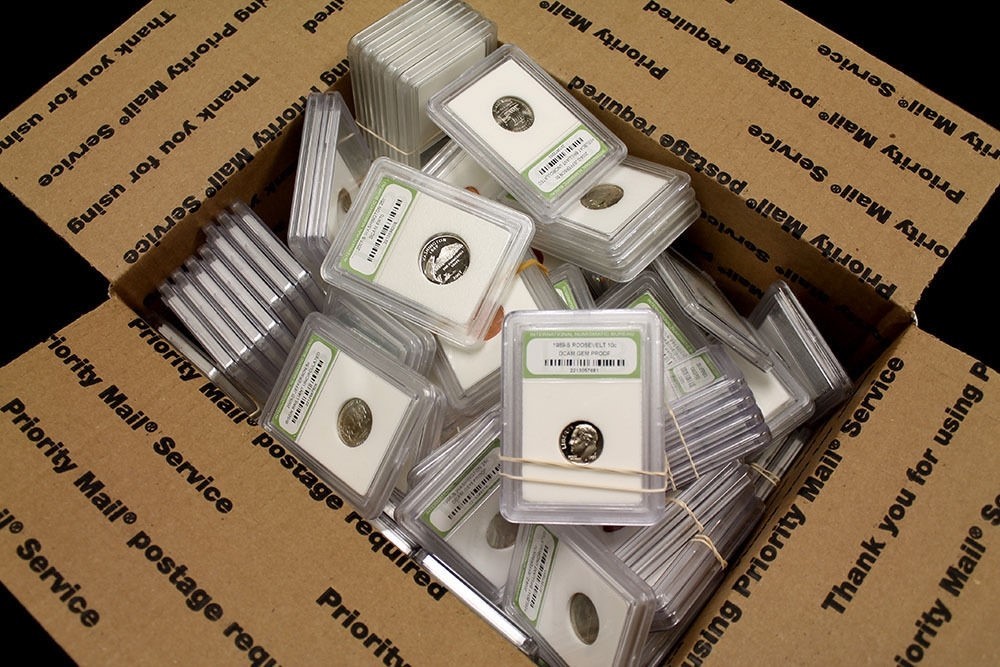
Slab rarity refers to the certification and encapsulation of a coin by a recognized third-party grading service, such as PCGS or NGC. The "slab" is the tamper-evident holder that secures the coin and displays its certified grade (e.g., MS-65, AU-58). This grade is an objective assessment of the coin's physical condition. The "rarity" component is derived from the grading company's population report, which quantifies the number of examples of that specific coin existing at that specific grade. A low population count for a high grade equals high slab rarity. This is not merely about the coin's intrinsic condition; it is about the documented scarcity of that *certified* condition.
What it does to price
Slab certification acts as a guaranteed quality filter, creating a significant price floor. A coin graded and encapsulated typically commands a premium over the same coin loose (ungraded). For common coins, this premium might range from 1.2x to 2.5x the loose market price. For rare coins, the multiplier is much higher, often 5x or more, depending on the population report scarcity. A coin graded MS-67 with a population count under 100 is worth substantially more than an equivalent coin graded MS-63, even if the visual difference is minor. For example, a common silver dollar graded MS-65 might sell for \$150, while the same coin graded MS-67 with a low population might fetch \$400.
How to spot it
The primary tell is the presence of the official, sealed holder bearing the grading company’s logo and certification number. Sellers must provide clear, high-resolution photos of the entire slab, showing the certification label, not just the coin itself. Common issues include "slab wear" (minor damage to the plastic holder) or mislabeling by the seller. A frequent mistake is confusing the coin's *grade* (e.g., MS-65) with its *rarity* (low population). A high grade does not guarantee high rarity; a common coin graded perfectly is still common.
Buying smart
Paying a premium for a slab is justified when the coin is genuinely rare (low population) *and* the grade is high. If a coin is common and only graded, the premium is likely inflated and unnecessary. The premium is worth it when the slab provides verifiable proof of condition, eliminating the risk of buying a heavily circulated coin disguised as high grade. A fair deal involves comparing the slab's population report data against recent sales data for that specific coin/grade combination. If the asking price is significantly higher than comparable population-matched sales, it is overvalued.
Selling smart
Proof of slab status is mandatory for achieving top market prices. Listings must feature multiple, clear photos of the slab, specifically highlighting the certification label and the grade. The word "Graded" or the specific grade (e.g., "PCGS MS-65") in the title is the single most effective way to signal value to serious buyers. Sellers should never attempt to list a slabbed coin as "loose," as this immediately devalues the item by removing the guaranteed provenance and scarcity data.
On eBay right now
Current asking prices from live listings — not sold-comp medians.



eBay links are affiliate links: JunkPal may earn a commission at no cost to you.