What does “slab provenance” mean?
What it means
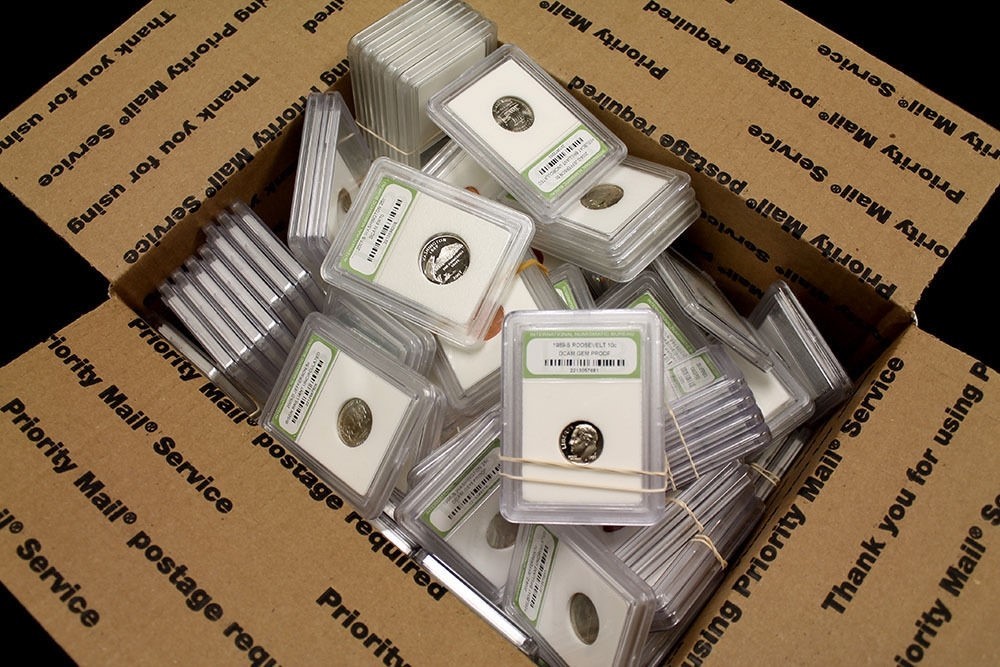
Slab provenance is the verifiable, documented history of a coin, particularly one encased in a professional grading service holder (a "slab"). It is the chain of custody. This documentation proves where the coin originated, who owned it, and every authentication step it has passed. For collectors, this is the established record of legitimacy. It is the industry equivalent of a bill of sale or title history for a high-value asset. It confirms that the coin's current grade is genuine and that the coin itself has not been altered since being graded.
What it does to price
Documented provenance acts as a risk reduction mechanism, which directly translates to price premium. A coin with impeccable, traceable provenance can command a premium ranging from 15% to 40% over an identical, unprovenanced coin, depending on the coin’s rarity and market volatility. If a high-grade coin with known, documented history sells for \$10,000, an identical coin lacking verifiable provenance might sell for \$7,500 to \$8,500. Conversely, a coin with a dubious or incomplete history may see its value discounted by 20% or more, regardless of its physical grade.
How to spot it
The tells are in the paperwork, not just the coin. The slab itself must belong to a recognized third-party grading service (e.g., PCGS, NGC). Sellers must provide clear, high-resolution images of the certification label, including the unique certification number. Check that the grading service’s logo and seals are sharp and undistorted. Common issues include sellers providing photos of the *label* but not the *coin* within the slab, or providing generic photos of the grading company website rather than the specific coin’s certification page.
Buying smart
Paying a premium for provenance is justified when the coin is high-value, rare, or part of a known collection narrative. For common or low-value coins, the cost of establishing provenance often outweighs the potential gain; the premium is not worth the extra expense. A fair deal involves a price premium that is proportionate to the *certainty* provided by the documentation. If the provenance is vague—e.g., "purchased from a private dealer"—the premium should be minimal, if any.
Selling smart
Listing a coin with strong slab provenance allows for a higher asking price ceiling. The narrative of its history justifies the premium. The single most effective element in a listing is a clear photograph of the coin *inside* the slab, alongside a cropped image of the certification label showing the unique ID number. Stating "Full provenance available upon request" is weak; providing the verifiable documentation upfront converts buyer hesitation into purchase action.
On eBay right now
Current asking prices from live listings — not sold-comp medians.



eBay links are affiliate links: JunkPal may earn a commission at no cost to you.