What does “slab profile” mean?
What it means
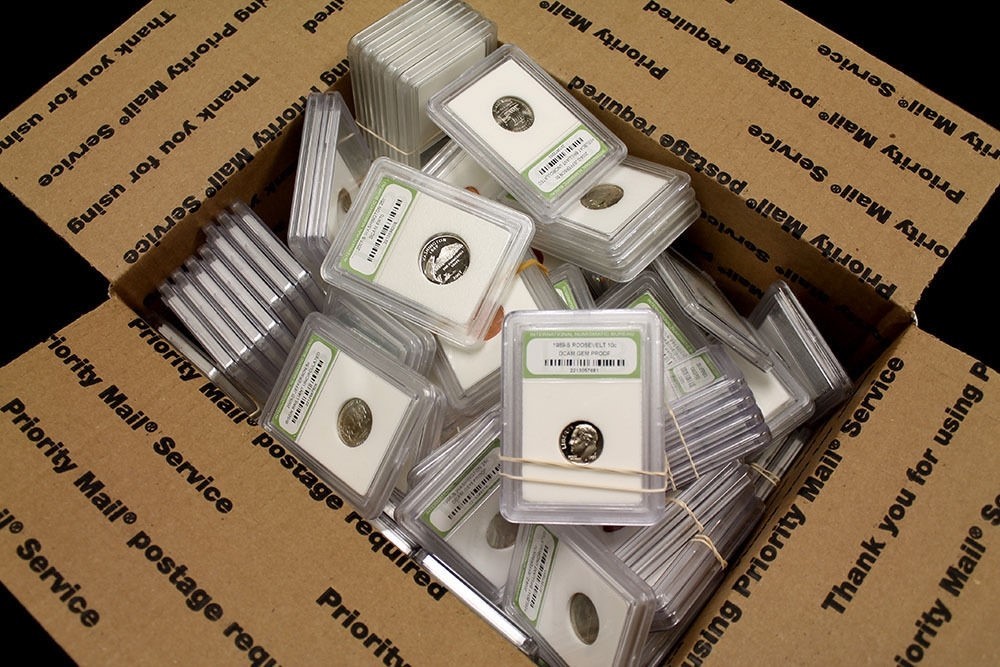
Slab profile describes the visual presentation of a coin encased in a professional grading holder (slab). It is not the coin's inherent grade (e.g., MS-65), but rather how that grade *appears* through the holder's plastic. This includes the clarity of the strike, the visibility of the coin's luster, and the sharpness of the relief as viewed through the encapsulating material. A good profile means the coin looks sharp, bright, and well-defined under the slab. A poor profile might indicate a dull strike or reflections obscuring the details, even if the coin itself is objectively high-grade.
What it does to price
Profile quality acts as a presentation premium. A superior, sharp profile on a coin graded MS-67 can add 10% to 30% over an identical coin with a muted or poorly presented profile, assuming the underlying grade is identical. Conversely, a coin with a noticeable "dull slab profile" might sell for 15% less than expected for its grade. For example, a high-grade silver coin presenting with a brilliant, sharp profile might command an extra \$50 over a comparable specimen with a hazy presentation.
How to spot it
The profile is judged by examining high-resolution images provided by the seller. Look for crisp edges where the coin meets the holder, and ensure the luster isn't obscured by internal reflections within the slab. If the coin has a strong, sharp strike, the relief should look three-dimensional, not flat against the plastic. Sellers should provide photos taken under consistent, bright lighting, preferably with the coin angled slightly to catch the light and demonstrate luster. A common mistake is poor photography that masks a weak profile; a genuine issue is when the coin itself has a weak strike that the slab simply frames poorly.
Buying smart
Paying a premium for slab profile is justified when the difference between the profiles is significant—moving from a dull, flat presentation to a vibrant, sharp one. This premium is worth it on high-value coins where presentation significantly impacts perceived rarity. It is not worth the premium if the difference is marginal (e.g., two photos showing slightly different angles of an otherwise identical coin). A fair deal involves the seller explicitly confirming the profile quality matches the grade description, and the buyer comparing the provided photos against known examples of that specific grade.
Selling smart
Listing a coin with a superior slab profile requires clear photographic evidence. The one element that earns the premium is a high-resolution, well-lit photograph that showcases the coin's luster and strike clarity *through* the slab. In the description, using terms like "Vibrant Slab Profile" or "Sharp Presentation" helps set buyer expectations. Buyers pay more for documented quality; if the profile is weak, listing it as "Excellent Presentation" is misleading and invites returns or disputes.
On eBay right now
Current asking prices from live listings — not sold-comp medians.



eBay links are affiliate links: JunkPal may earn a commission at no cost to you.