What does “slab nuance” mean?
What it means
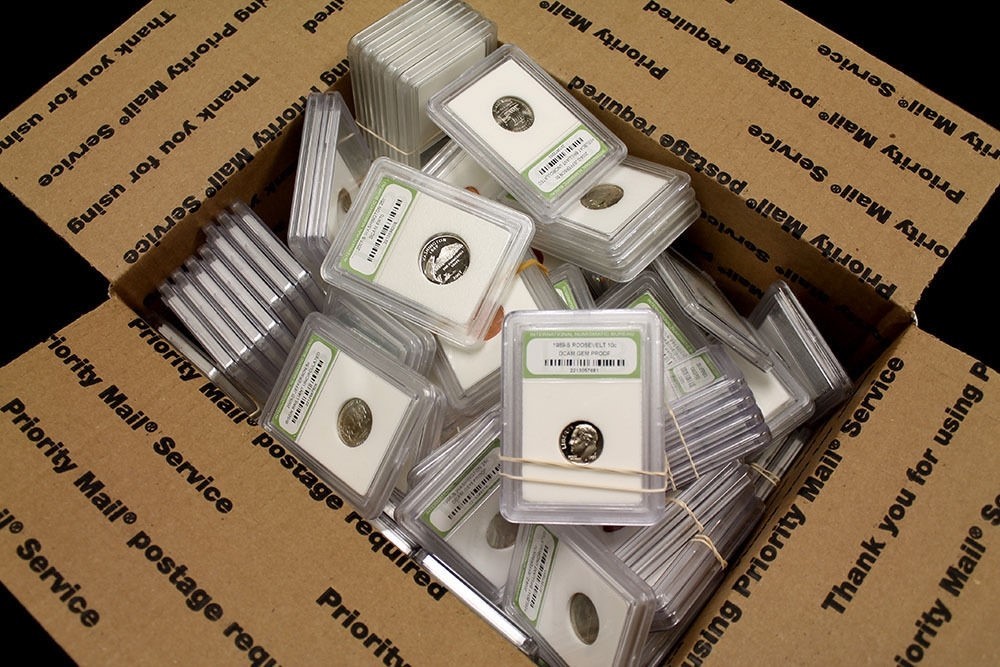
Slab nuance refers to the physical condition of the plastic holder, or slab, used by third-party grading services (e.g., PCGS, NGC). This is not a characteristic of the coin itself but of the packaging. It encompasses microscopic imperfections in the acrylic casing, such as minor scuffs, edge wear on the plastic, slight discoloration, or evidence of poor sealing. While the coin grade (e.g., MS-67) is the primary value driver, the slab's condition contributes to the overall presentation premium. A flawless slab reinforces the perceived archival quality of the graded item.
What it does to price
Slab condition acts as a minor, secondary modifier to the coin's established grade value. A perfect, factory-fresh slab can support a premium of 3% to 7% over an identical coin housed in a slab exhibiting minor cosmetic wear. Conversely, a slab with significant stress marks, deep scratches, or visible adhesive bleed can result in a discount of 5% to 15%. For example, a high-grade coin priced at \$1,000 might see its value drop to \$850 if the slab is visibly damaged, even if the coin itself is perfect.
How to spot it
Inspection requires close-up photography. Look for stress fractures near the coin's rim, which indicate rough handling during insertion or transport. Examine the edges of the plastic for fine abrasions or "lip wear." Discoloration should be checked against known manufacturer standards for that specific grading year. Sellers should provide high-resolution photos focusing specifically on the slab's corners and edges. Common mistakes include improper centering within the slab, which is a packaging error, not a coin error.
Buying smart
Paying a significant premium for slab nuance is only justified when the coin itself is rare, high-grade, or part of a highly liquid investment category. For common, low-grade, or speculative coins, the risk associated with slab damage outweighs the marginal premium. A fair deal involves the slab being functionally sound—no cracks, no major discoloration—even if it is not absolutely pristine. If the slab appears stressed or warped, the asking price should reflect that diminished presentation value.
Selling smart
Listing the slab condition transparently maximizes buyer confidence and price realization. If the slab is immaculate, use descriptive terms like "Mint Condition Slab" or "Pristine Holder." If there are minor flaws, disclose them clearly (e.g., "Minor edge scuff on slab"). The single most effective element in a listing is a clear, well-lit photograph of the entire slab, showing all four corners and the coin's edge within the holder. This preempts buyer questions and validates the asking price.
On eBay right now
Current asking prices from live listings — not sold-comp medians.



eBay links are affiliate links: JunkPal may earn a commission at no cost to you.