What does “slab market” mean?
What it means
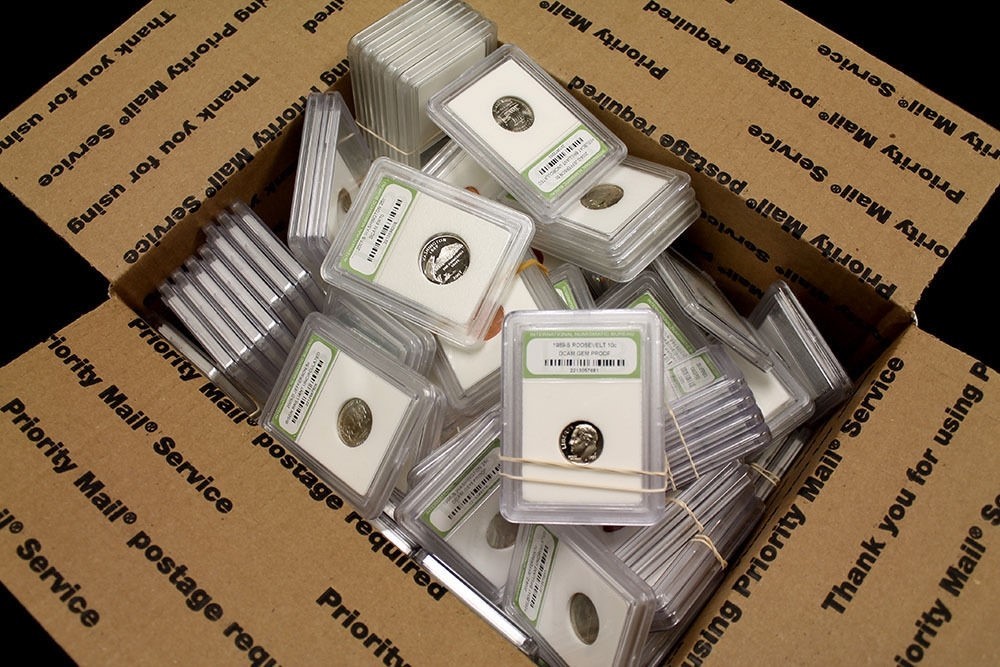
The slab market refers to the segment of the coin market where coins have been submitted to a third-party grading service (TPGS) like PCGS or NGC. These services authenticate the coin’s origin and assign it a numerical grade, which is a standardized assessment of its physical condition. The coin is then sealed inside a tamper-evident, protective plastic holder, known as a slab. This process moves the coin from a "loose" state (ungraded, raw) to a "graded" state. The grade (e.g., MS-65, AU-58) is the primary data point for valuation, serving as the coin's official, certified resume.
What it does to price
Grading introduces a significant, quantifiable premium. The value difference between a raw coin and a certified coin of the same type can range from 2x to 10x, depending heavily on the rarity of the coin and the grade achieved. For common coins, the premium might be minimal (e.g., a $5 raw coin might sell for $7 slabbed). However, for high-demand, scarce coins, the grade is the deciding factor. A coin graded MS-65 versus an equivalent raw coin might command a difference of $500 to several thousand dollars. Lower grades (e.g., VF) often see less of a premium than mid-to-high grades (e.g., MS-67 and above).
How to spot it
The tell is the presence of the official, sealed holder bearing the grading company's logo and a unique certification number. Sellers must provide high-resolution photos of the slab itself, showing the certification label clearly. Common pitfalls include "slabs" that are aftermarket or unofficial holders; these lack the official certification number and are worthless in the grading market. Another error is a coin being submitted to a service that is not recognized by the primary buyers (e.g., a lesser-known service). Always cross-reference the certification number on the slab with the coin's details listed in the sale description.
Buying smart
Paying a premium for a slab is justified only when the coin’s inherent value is high, or when the grade itself is the primary driver of value (i.e., the coin is scarce and the grade is high). If the coin is common and the grade is low (e.g., a common coin graded AU-50), the premium paid for the slab may exceed the coin's intrinsic worth. A fair deal involves the asking price being reasonable relative to recent auction results for that specific grade. If the asking price is significantly higher than comparable recent sales for the same grade, the premium is inflated.
Selling smart
When listing, the slab is the primary marketing tool. The listing must prominently feature clear, well-lit photos of the entire slab, ensuring the certification number and grade are legible in the image. Using the official grade (e.g., "PCGS MS-67") in the title and description immediately filters buyers to those who value certified assets. Avoid vague terms; the specific grade is the single most important piece of data that earns the premium over a raw listing.
On eBay right now
Current asking prices from live listings — not sold-comp medians.



eBay links are affiliate links: JunkPal may earn a commission at no cost to you.