What does “slab lineage” mean?
What it means
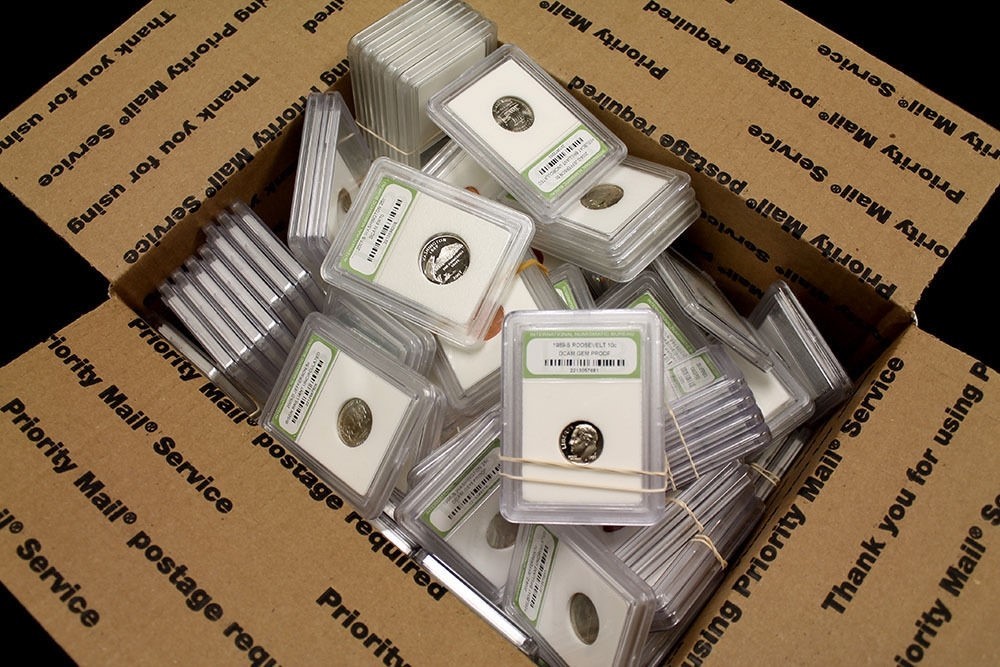
Slab lineage is the verifiable, documented history of a coin's professional grading and encapsulation. It tracks every time the coin has been submitted to, graded by, and placed into a holder by a Third-Party Grading Service (TPGS), such as PCGS or NGC. This is the coin's chain of custody regarding authentication and condition. The mainstream equivalent is the provenance record for a high-value collectible. A clean lineage means the coin has passed inspection consistently through reputable channels. Discrepancies, such as a coin moving from one service to another without clear documentation, or multiple re-slabs without justification, create uncertainty.
What it does to price
A clear, unbroken lineage from a top-tier TPGS is a direct multiplier on perceived value. For coins where the grade is highly subjective (e.g., AU or MS grades), a solid lineage can add 15% to 35% to the final sale price compared to an unslabbd or poorly documented coin of the same grade. A coin with a history of being re-graded *up* by a reputable service justifies a significant premium. Conversely, a lineage showing a grade downgrade or repeated submissions that yield inconsistent results signals risk, potentially dropping the price by 10-20% as buyers discount the uncertainty. For example, a $500 coin with a flawless, continuous NGC lineage will command a higher price than an identical coin with a history of questionable re-submissions.
How to spot it
The tells are in the certification labels and associated documentation. Every slab should display the issuing service’s unique certification number. Request the full submission history report, not just the current label. Watch for "re-slabbed" indicators; these are not inherently bad but require context. A common red flag is a coin being graded by a lesser-known or regional service that does not participate in major industry standards. Honest mistakes include a coin being submitted with an incorrect coin or an improper cleaning attempt that was later documented during the grading process. Always check the slab’s tamper-evident seal integrity.
Buying smart
Paying a premium for lineage is justified when the coin is a high-value, investment-grade piece (typically over $1,000) or when the grade is marginal (e.g., a borderline MS-63). In these cases, the documentation reduces the buyer's risk of receiving a counterfeit or a misgraded specimen. It is not worth the premium for low-value, common coins; the added cost of the slab and lineage documentation outweighs the potential profit. A fair deal involves the asking price reflecting the *verified* quality of the lineage, not just the grade listed on the current slab.
Selling smart
Proving a strong lineage transforms a coin from a speculative asset into a documented commodity. Listings must explicitly state the full grading history and provide high-resolution images of the original certification labels, not just the current slab. The single most powerful word in a listing is "Certified" or "Documented History." This word validates the price floor. A coin with a pristine lineage can achieve a 20-40% premium over an identical coin where the seller only states the grade without providing the full chain of custody report.
On eBay right now
Current asking prices from live listings — not sold-comp medians.



eBay links are affiliate links: JunkPal may earn a commission at no cost to you.