What does “slab insurance” mean?
What it means
Slab insurance is coverage specifically for coins that have been professionally graded and sealed in a tamper-evident plastic holder, or "slab." The grading service (e.g., PCGS, NGC) assigns a numerical grade and provides a certificate verifying the coin’s authenticity and condition. This certification is integral to the coin's market value. Slab insurance covers the asset against physical risks like theft, loss, or damage to the graded item. The mainstream equivalent is insuring high-value collectibles; here, the value is tied directly to the third-party certification.
What it does to price
Grading itself is the primary price driver, not the insurance. However, having verifiable insurance coverage is a prerequisite for high-level transactions. For a top-tier coin (e.g., MS-67+), the insurance cost might be 0.5% to 2% of the insured value annually. This cost is factored into the total holding expense. A coin graded and slabbed commands a significant premium over its loose counterpart, often 3x to 10x, depending on scarcity and grade. If a loose coin sells for \$500, the same coin in a top-tier slab might sell for \$2,500, with the insurance premium being a small operational cost against that high value.
How to spot it
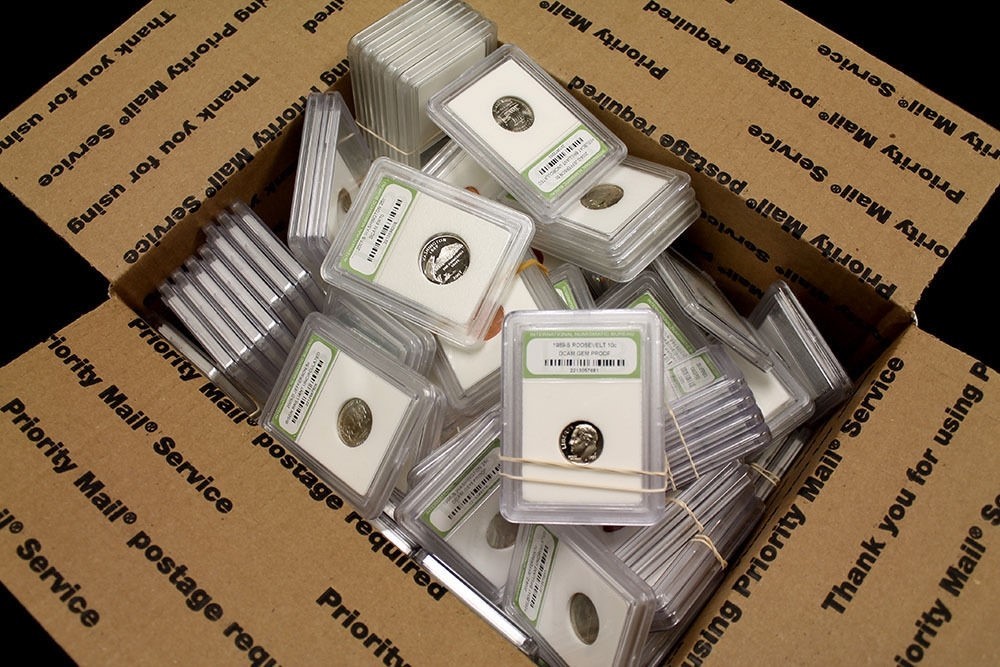
The tell is the physical holder. Authentic slabs feature specific, standardized holograms, tamper-evident seals, and clear labeling identifying the grading company, the coin's specific grade, and a unique certification number. Common mistakes include aftermarket or unofficial holders that mimic the look of official slabs; these lack the verifiable certification number. Sellers should provide a clear photo of the label showing the certification number. A fake slab will often have blurry text or mismatched fonts compared to the official grading company's standards.
Buying smart
Paying for slab insurance is necessary when the coin's value exceeds the insurer's deductible and the asset is high-risk (e.g., stored in a non-secure location). It is not necessary for low-value, common coins. A fair deal involves the insurance premium being reasonable relative to the coin’s appraised value. If the insurance quote is disproportionately high (e.g., over 5% annually for a mid-grade coin), the risk assessment is flawed, or the coin is overvalued.
Selling smart
Listing a coin as "Graded and Insured" immediately qualifies it for a higher tier of buyer interest, often commanding a premium over unlisted graded items. Buyers pay more for certified security. The single most effective element in a listing is the inclusion of the certification number displayed clearly alongside the coin photo. This allows the buyer to instantly verify the grade and authenticity against the grading company’s online database, validating the asset's stated worth.
On eBay right now
Current asking prices from live listings — not sold-comp medians.



eBay links are affiliate links: JunkPal may earn a commission at no cost to you.