What does “slab holder” mean?
What it means
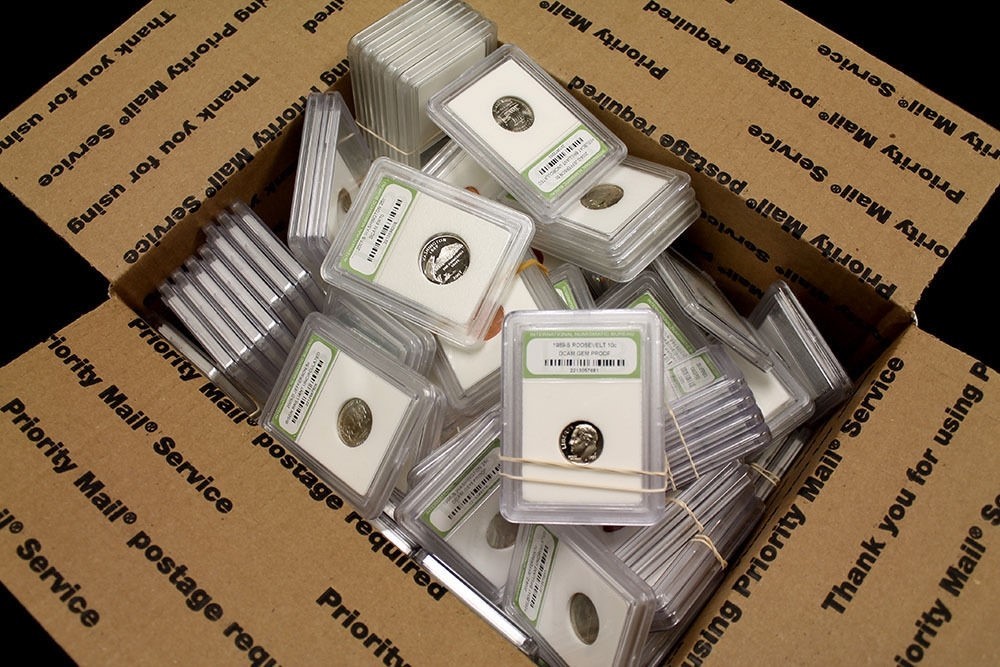
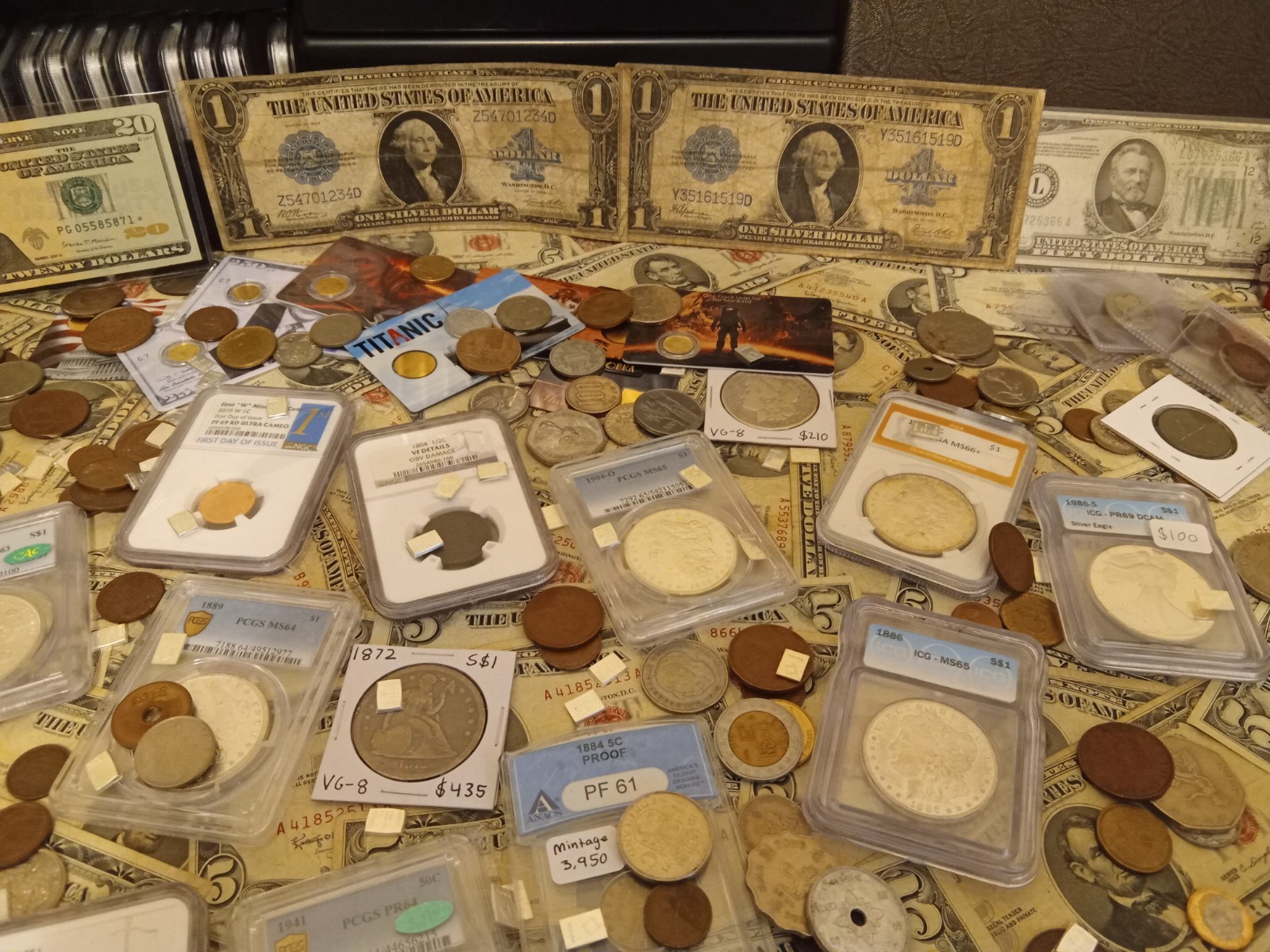
A slab holder is a sealed, tamper-evident plastic case issued by a professional third-party grading service (e.g., PCGS, NGC, ANACS). It encases a coin after it has been assessed for authenticity, condition, and assigned a numerical grade. The slab itself displays the coin's grade, the grading company's certification number, and often includes images of the coin's obverse and reverse. This process converts subjective condition assessment into an objective, verifiable standard. For resellers, the slab serves as an immediate, third-party guarantee of the coin's provenance and state.
What it does to price
The presence of a reputable slab commands a substantial premium over the same coin loose (ungraded). The multiplier varies drastically by rarity and market volatility, but for common to mid-tier coins, the slab can add 30% to 100% to the market value. For high-end, scarce pieces, the premium can exceed 200%. Factors increasing value include a high numerical grade (e.g., MS-65+), the grading company's reputation, and the coin's rarity. A coin graded MS-65 in a PCGS slab might sell for $1,500, whereas the same coin loose might sell for $600.
How to spot it
Authentic slabs feature precise molding, high-quality plastic, and secure sealing mechanisms. The certification number printed on the slab must be verifiable on the grading company's official online database. Fakes often use cheap, brittle plastic, blurry printing, or non-standard sealing tabs. Common errors include mislabeling (e.g., a coin graded MS-63 but the slab states MS-65) or having the slab cracked or visibly opened. Always request high-resolution photos of the certification number and the seal integrity before purchase.
Buying smart
Paying a premium for a slab is justified when the coin is rare, highly desirable, or when the seller has no established reputation. If the coin is common, the premium might not cover the cost of the grading service itself. A fair deal involves comparing the slabbed price against recent auction results for that specific grade and coin. If a coin is graded MS-67, but the market average for that grade is $X, paying $3X is excessive. The premium is worth it when the slab mitigates the risk of purchasing a counterfeit or significantly undervalued piece.
Selling smart
Listing a coin in a slab immediately elevates its perceived value and reduces buyer skepticism. The primary advantage is the instantaneous trust factor. The single most effective element in a listing is a clear, high-resolution photo showing the entire slab, with the certification number legible. This single image validates the coin's existence and grade. Sellers should always list the specific grade (e.g., "PCGS MS-65") rather than just "Slabbed," as the grade dictates the price.
On eBay right now
Current asking prices from live listings — not sold-comp medians.




eBay links are affiliate links: JunkPal may earn a commission at no cost to you.