What does “slab grading” mean?
What it means
Slab grading is the process where a coin is sent to an independent, accredited grading service (e.g., PCGS, NGC). The service assigns a numerical grade based on established criteria covering strike quality, surface preservation, luster, and wear. This grade is permanently affixed to the coin within a sealed, tamper-evident plastic holder, known as the slab. The numerical grade is the coin's objective quality assessment, replacing subjective collector opinion. The grade is the coin's verified condition report.
What it does to price
The numerical grade is the primary driver of premium pricing. A high-grade, certified coin typically commands a significant multiple over its loose, ungraded counterpart. For example, a coin graded MS-65 might fetch 3x to 10x the price of the same coin ungraded, depending on rarity. Low-grade coins (e.g., AU-50) see minimal premium. Conversely, a coin with a high grade but a known grading error or a questionable submission history can suffer a severe discount. A $100 loose coin might become $500+ once graded MS-67, but if the slab is cracked or the grade is disputed, the value can drop back to $75.
How to spot it
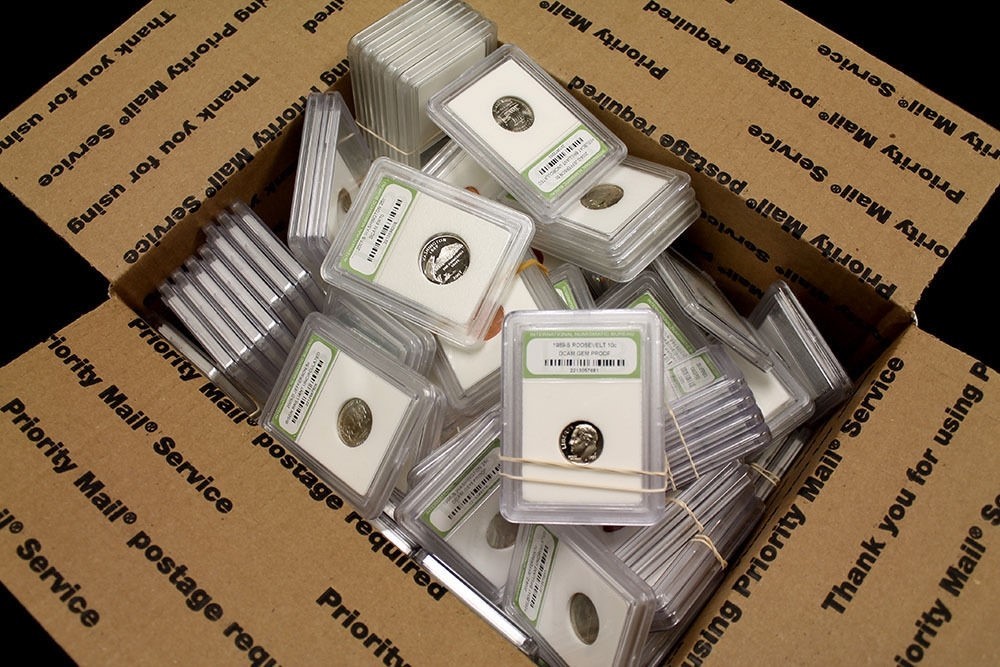
The tell is the physical slab itself—a hard, sealed plastic holder with visible certification labels and holograms. Look for the specific grading company logo (PCGS, NGC). Always verify the certification number printed on the slab matches the coin's unique identifier. Common issues include "slab damage" (scratches or cracks on the holder) or "grade inflation" (a coin receiving a grade higher than its actual condition warrants). Sellers may use generic holders; reputable grading uses specific, identifiable company slabs.
Buying smart
Paying a premium for a slab is justified when the coin is rare, highly desirable, or when the grade is necessary to meet a specific collection goal (e.g., completing a specific grade set). If the coin is common, the premium might not justify the cost. A fair deal involves comparing the certified grade and population report (how many coins of that grade exist) against recent sales data for that specific coin type. If the premium is excessive relative to the market data, the risk of overpaying is high.
Selling smart
Listing a slabbed coin requires immediate inclusion of the grading company name and the exact numerical grade in the title and description. The slab itself is the primary selling feature. The single most valuable asset in a listing is a clear, high-resolution photograph of the coin *inside* the slab, showing the certification label clearly. This visual proof instantly validates the stated grade, attracting serious, high-value buyers and justifying the top-tier price point.
On eBay right now
Current asking prices from live listings — not sold-comp medians.



eBay links are affiliate links: JunkPal may earn a commission at no cost to you.