What does “slab grade number” mean?
What it means
The slab grade number is a numerical assessment assigned by an independent, accredited third-party grading service (e.g., PCGS, NGC) to a coin. This number quantifies the coin's physical state across several criteria: strike quality, surface preservation (lack of scratches or toning), and overall luster. The scale runs from low grades (e.g., Good, VF) to the highest (MS-70, PR-70). A higher number signifies a coin closer to its original mint appearance with minimal wear. This grade acts as a standardized, objective proxy for condition, replacing subjective opinions among casual collectors.
What it does to price
The grade number is the primary driver of market value. The premium for a professionally graded coin over an identical, raw coin can range from 50% to several hundred percent, depending on the coin's rarity and the grade achieved. For common coins, a jump from an uncertified AU-58 to a PCGS MS-63 might yield a 3x to 5x price increase. Conversely, a high-grade coin with a known grading error or a low-quality slab presentation can suffer a 20-40% discount. For instance, a common silver coin graded MS-65 might sell for $150, while the same coin graded MS-63 might sell for $75.
How to spot it
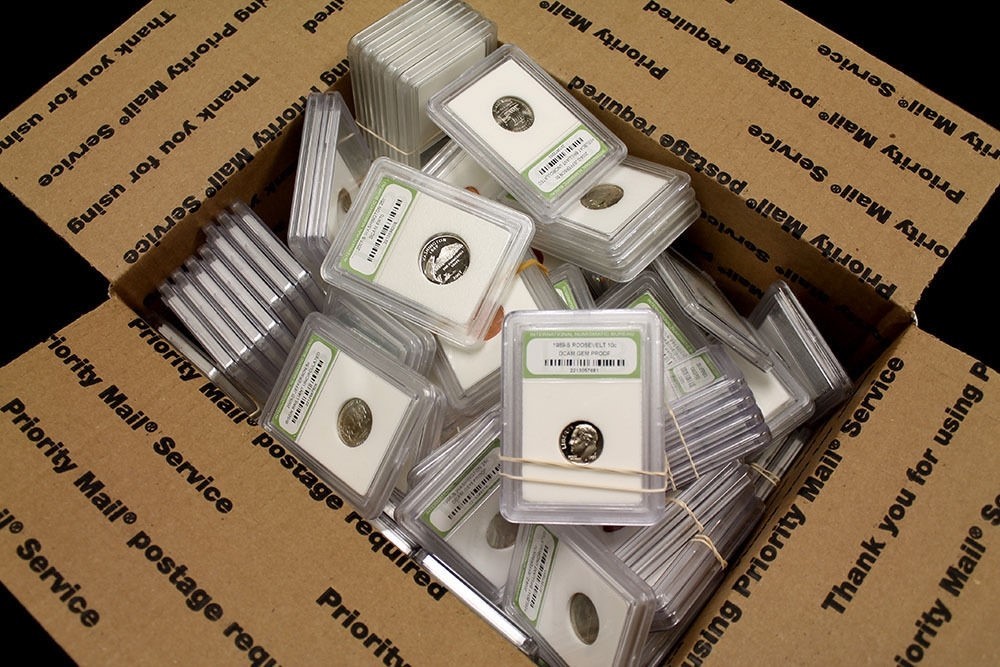
The grade is physically present within a tamper-evident, sealed plastic holder, known as a "slab." The slab will display the grading company’s logo, the assigned grade (e.g., MS-67), and a unique certification number. Sellers must provide high-resolution images of the slab itself, not just the coin. Common issues include "slab damage" (scratches or chips visible through the plastic) or "labeling errors" (the grade doesn't match the coin's actual appearance). Fakes exist, but reputable grading companies employ rigorous authentication processes.
Buying smart
Paying a premium for a slab grade is justified when the coin is rare, highly sought after, or when the grade is near the top of the spectrum (e.g., MS-65 and above for circulating coinage). If the coin is common or the grade is low (e.g., below MS-40), the premium often does not justify the cost. A fair deal involves the asking price reflecting the consensus market value for that specific grade, not just the coin itself. If a seller is asking 2x the established market rate for a known grade, the deal is likely inflated.
Selling smart
Listing a coin with a certified slab grade immediately removes the largest barrier to high-value sales: condition debate. Buyers are willing to pay a substantial premium—often 15% to 30% above the raw market price—for the certainty provided by the certification. The single most valuable element in a listing is a clear, high-resolution photograph of the entire slab, showing the grade and certification number prominently. This visual proof validates the entire sale price.
On eBay right now
Current asking prices from live listings — not sold-comp medians.



eBay links are affiliate links: JunkPal may earn a commission at no cost to you.