What does “slab feature” mean?
What it means
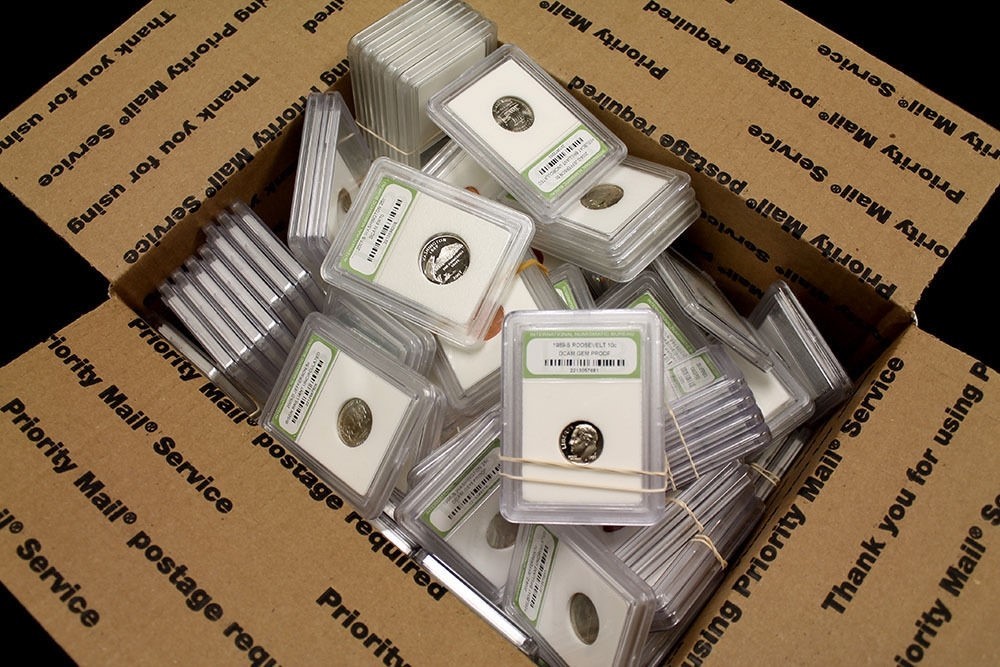
A slab feature is the sealed, tamper-evident plastic holder applied by a recognized third-party grading service, such as PCGS or NGC. This encapsulation is not merely protective; it is a certification. The service assigns a numerical grade (e.g., MS-65) and authenticates the coin’s genuine nature. This process converts subjective condition assessment into objective, verifiable data. The mainstream equivalent is a certified appraisal, but the slab provides immediate, portable proof of that appraisal.
What it does to price
Slabbed coins command a significant premium over their loose counterparts. For mid-to-high-grade coins, the slab can multiply the market value by 1.5x to 4x, depending on the rarity and grade achieved. The grade itself is the primary driver; an MS-65 is valued vastly differently than an AU-58, even if both are slabbed. A common example: a well-struck, uncertified 1955 Lincoln Cent might sell for $15 loose, but the same coin, graded MS-63 by NGC, could easily fetch $40-$60 due to the guaranteed grade.
How to spot it
Authenticity relies on verifying the grading company’s certification number. Every legitimate slab has a unique ID. Sellers must provide this ID. A common mistake is confusing a professional slab with a generic, non-certified holder. Fakes often use poorly printed labels or incorrect company logos. Always check the slab’s visible details against the grading service’s online database using the provided certification number. If the number doesn't resolve, the slab is suspect.
Buying smart
Paying a premium for a slab is justified when the coin is rare, high-grade, or when the market for that specific coin is volatile. If the coin is common or the grade is low (e.g., AG or G4), the cost of the slab premium may outweigh the value increase. A fair deal involves the slab premium being proportional to the grade increase. If a coin is graded MS-65, the premium should reflect the market difference between a certified MS-65 and an uncertified coin of similar appearance.
Selling smart
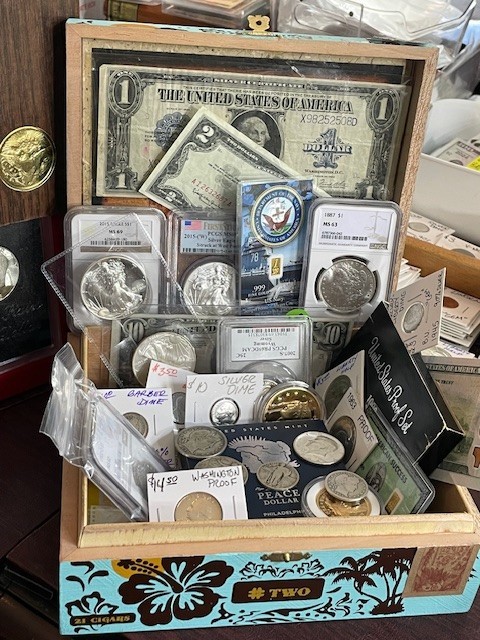
Listing a coin with a slab feature immediately filters out casual buyers and targets serious collectors who require verification. The single most valuable element in a listing is the clear, high-resolution photograph of the slab itself, showing the certification number and grade prominently. Stating the specific grading company (e.g., "PCGS MS-68") in the title is non-negotiable; this instantly earns the premium associated with third-party verification.
On eBay right now
Current asking prices from live listings — not sold-comp medians.



eBay links are affiliate links: JunkPal may earn a commission at no cost to you.