What does “slab documentation” mean?
What it means
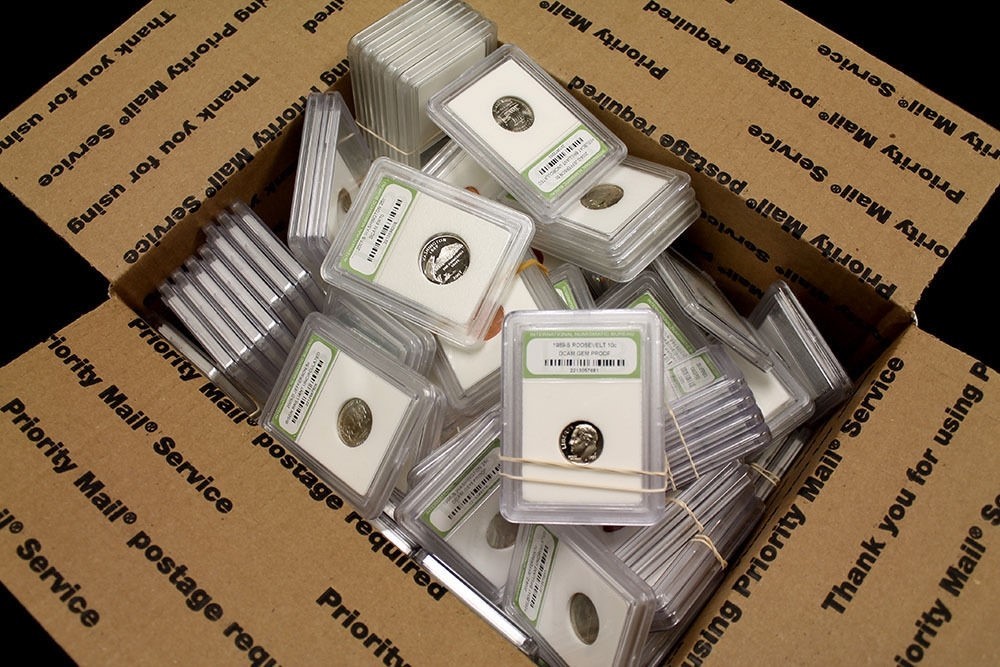
Slab documentation refers to the official encapsulation and grading provided by accredited third-party grading services, primarily PCGS and NGC. When a coin is "slabbed," it is sealed in a tamper-evident plastic holder bearing a certification label. This label provides an objective, third-party assessment of the coin's authenticity and condition, assigning it a specific numerical grade (e.g., MS-65, AU-58). The mainstream equivalent is a certified, authenticated, and graded item. This documentation standardizes condition assessment, removing subjective debate between buyers and sellers regarding wear or authenticity.
What it does to price
Slab documentation imposes a significant, measurable premium. A coin graded by a recognized service typically commands a premium ranging from 1.5x to 5x its loose (ungraded) market value, depending on the rarity and the grade achieved. The grade is the primary driver; a jump from MS-60 to MS-65 can multiply value by 3x or more. Conversely, a poorly graded slab or a service known for inconsistent grading can suppress value. For example, a common silver dollar graded MS-65 might fetch $150 in a slab, whereas the same coin loose might only sell for $40.
How to spot it
Authentic slabs feature precise, high-resolution labeling and robust, secure sealing mechanisms. Examine the certification label for the grading service's official logo and unique certification number. Sellers must provide clear, high-resolution images of both the coin *within* the slab and the certification label itself. Common issues include "re-slabbing" (placing a genuine coin into a fake or old holder) or using non-official, imitation holders. Always verify the grading service's current standards; a coin graded 20 years ago may use different standards than today.
Buying smart
Paying the premium for a slab is justified when the coin is rare, high-value, or when the grade is critical to the market segment (e.g., high-grade rarities). If the coin is common and the grade is only a slight improvement (e.g., MS-60 vs. MS-62), the premium may not cover the cost of the slab itself. A fair deal involves the premium being proportional to the grade jump and the coin's inherent scarcity. If the premium exceeds 40% of the total asking price, scrutiny is required.
Selling smart
In listings, the slab itself is the primary selling feature. The single most valuable element in a listing is a clear, well-lit photograph of the *entire* slab, showing the certification label and the coin clearly visible. Listing the coin as "PCGS Graded MS-65" immediately filters the audience to serious collectors willing to pay the premium, eliminating casual bidders. The certification number must be provided in the description for instant verification.
On eBay right now
Current asking prices from live listings — not sold-comp medians.



eBay links are affiliate links: JunkPal may earn a commission at no cost to you.