What does “slab detail” mean?
What it means
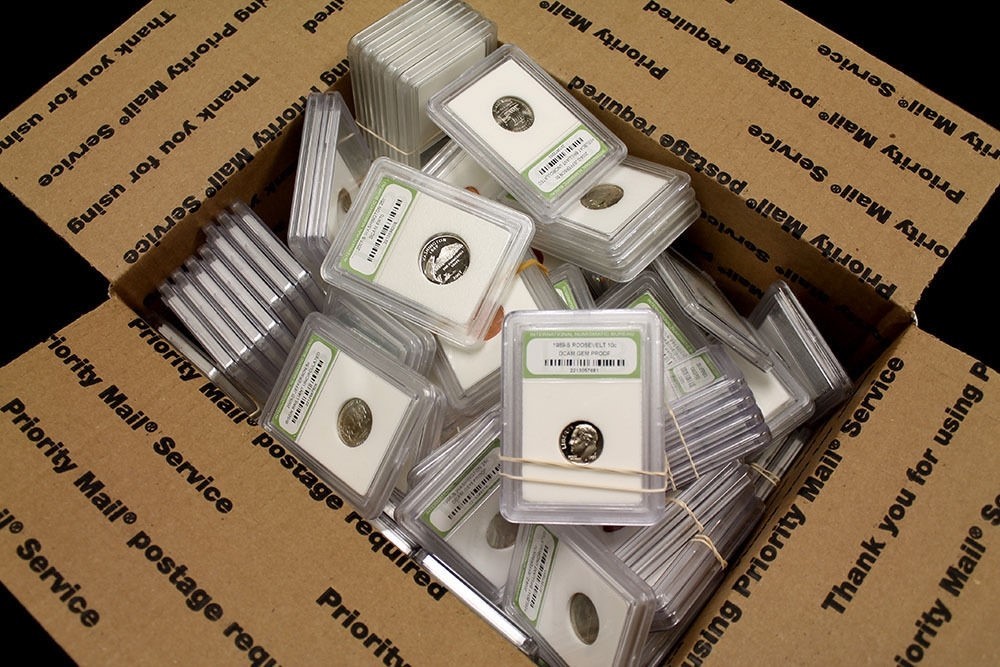
Slab detail is the verifiable information presented on a coin encased in a professional grading holder, or "slab." This goes beyond just the grade (e.g., MS-65). It includes the certification number, the grading service's official markings, and the specific encapsulation details. For the reseller or collector, this functions as a third-party authentication and condition guarantee. The slab acts as a digital certificate of authenticity and quality, replacing subjective visual inspection. A slab is the physical manifestation of the grading service's assessment.
What it does to price
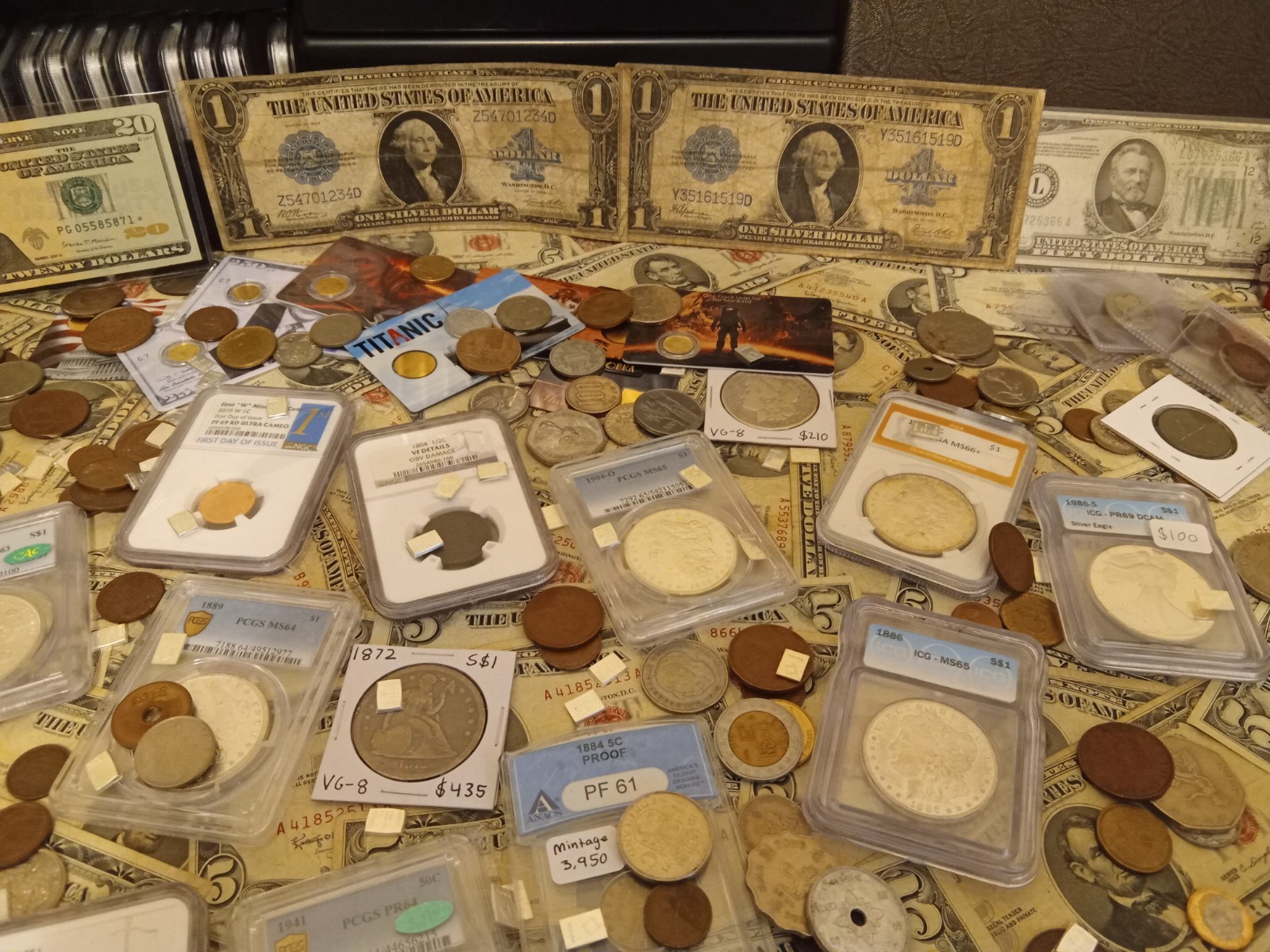
The presence of a certified slab is a primary value driver. For high-demand coins, a professionally graded slab can multiply the market price by 3x to 10x compared to the same coin loose (ungraded). For common coins, the multiplier is smaller, perhaps 1.2x to 2x. A high-grade slab (e.g., a PCGS MS-67) commands a significant premium over a lower grade (e.g., MS-63) of the same coin, sometimes exceeding 50% difference in value. Conversely, a slab showing evidence of poor sealing, discoloration, or obvious damage to the holder itself can reduce value by 10-20%, even if the coin inside is perfect.
How to spot it
Verification requires checking several points. First, confirm the grading service's logo and authentication hologram are present and clear. Second, cross-reference the certification number on the slab with the grading service's public database; this confirms the slab matches the coin's official record. Third, inspect the seal integrity—the plastic must be fully fused around the coin without visible gaps or stress marks. Common issues include "re-slabbing" (a fake coin placed in a legitimate-looking slab) or "slab damage" (scratches on the plastic). Always request high-resolution photos of the certification number and the seal edge before committing to a purchase.
Buying smart
Paying a premium for a slab is justifiable only when the coin is rare, highly sought after, or when the grade is critical to the coin's market segment. If the coin is common and the grade difference between MS-63 and MS-65 is minor in market perception, the added cost of grading might not be worth the premium. A fair deal involves the premium price reflecting the *risk reduction* provided by the third party. If the asking price is excessively high (e.g., 2x the market average for a comparable slab), the buyer should assume the seller is inflating the value based on the slab rather than the coin itself.
Selling smart
Listing a slabbed coin immediately elevates perceived value and reduces buyer hesitation. The one element that earns the premium is the clear, high-resolution photograph of the *label* showing the grade and certification number. This is the proof point. Sellers should never list a slabbed coin as "loose" to capture the highest possible price. Furthermore, if the slab is from a reputable service (e.g., NGC, PCGS), this fact should be stated upfront in the title, as this single word dictates the entry price point.
On eBay right now
Current asking prices from live listings — not sold-comp medians.




eBay links are affiliate links: JunkPal may earn a commission at no cost to you.