What does “slab database” mean?
What it means
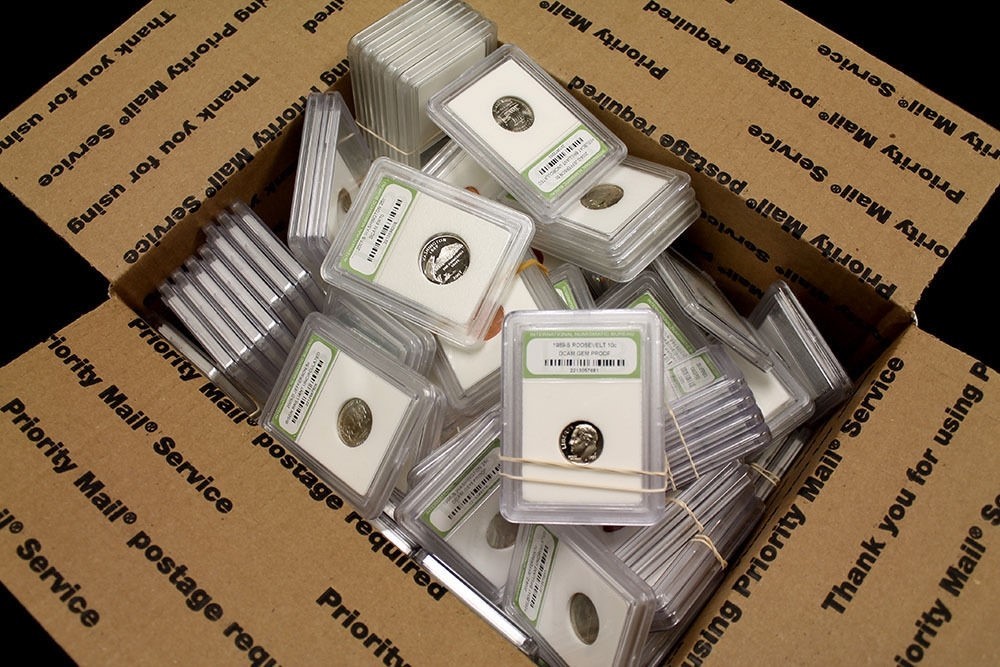
A slab database is a centralized, digital ledger tracking graded and authenticated collectible coins. These coins are sealed in tamper-evident plastic holders, or "slabs," by professional grading services (e.g., PCGS, NGC). The database records the specific grading company, the assigned numerical grade (e.g., MS-65), and a unique certification number. This functions as the coin's verifiable pedigree. For the market, the grade is the primary determinant of value; the database provides the objective proof of that grade and the coin's authenticity.
What it does to price
Slab certification acts as a direct multiplier on market value. A coin graded by a major service typically commands a premium ranging from 2x to 10x its loose (ungraded) equivalent, depending on the grade achieved. High-tier grades (e.g., MS-69 and above) see the largest percentage increases. A coin graded MS-65 might fetch $1,500 in a slab, whereas the same coin, if uncertified, might sell for $300 to $400, assuming it passes basic visual inspection. The grade acts as an insurance policy against counterfeits, justifying the premium.
How to spot it
The physical slab itself is the first indicator. Look for clear holographic seals or specific company logos molded into the plastic. The certification number must match the entry on the grading company’s official online database. Common issues include "fake slabs"—slabs that look legitimate but are not issued by the recognized company. Sellers sometimes use generic holders that mimic the look of official slabs; these are worthless. Always request a high-resolution photo of the certification label, showing the full number and the company logo clearly.
Buying smart
Paying the premium for a slab is justified when the coin is rare, historically significant, or when the grade is critical to its market segment (e.g., high-grade rarities). If the coin is common, the premium might not be worth the cost of the grading service itself. A fair deal means the asking price aligns with recent auction results for that specific grade and coin type. If a seller demands a 5x premium over established market data for a common coin, the premium is inflated.
Selling smart
When listing, the slab is the primary sales tool. Buyers pay the premium for the documented guarantee. The most effective listing detail is not just stating the grade, but providing a direct link or photo of the coin's entry on the grading company's official website, showing the verified certification number. This single piece of evidence shifts the listing from a speculative sale to a verifiable transaction, instantly attracting serious, high-value buyers.
On eBay right now
Current asking prices from live listings — not sold-comp medians.



eBay links are affiliate links: JunkPal may earn a commission at no cost to you.