What does “slab company” mean?
What it means
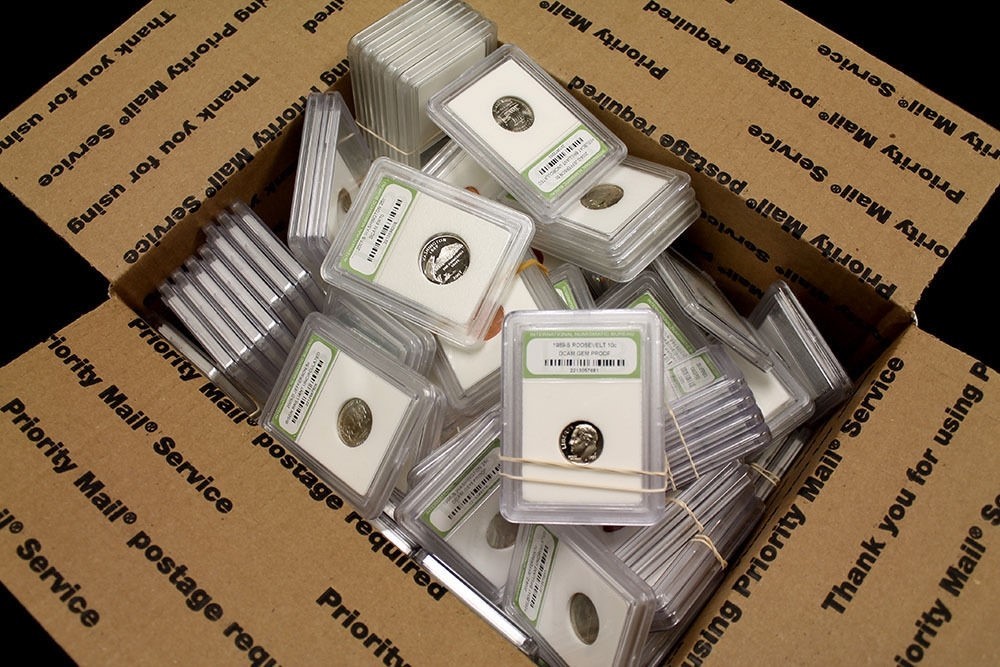
A slab company is a professional third-party grading service. These entities encapsulate collectible items, primarily coins, within a sealed, tamper-evident plastic holder known as a slab. The core function is authentication and condition assessment. The service assigns a numerical grade based on standardized criteria covering surface wear, metal luster, and preservation quality. This process transforms subjective opinion into a quantifiable, verifiable metric. The mainstream equivalent is a certified appraisal, but the slab provides physical, standardized proof.
What it does to price
Grading provides a concrete value floor and ceiling. A coin in a recognized, high-grade slab typically commands a significant premium over its loose (ungraded) counterpart. For common coins, the premium might be 1.5x to 3x the loose price. For rare or high-demand specimens, the multiplier can exceed 10x. The grade itself is the primary driver; a difference between a MS-63 and a MS-65 can mean a price difference of hundreds or thousands of dollars for the same coin. A low-grade slab (e.g., AU-50) often depresses value relative to a high-grade slab (e.g., MS-67).
How to spot it
Authentic slabs feature specific, proprietary sealing mechanisms and visible certification labels. Look for the company’s logo, the assigned grade, and a unique certification number printed on the holder. Sellers should provide high-resolution photos of the entire slab, focusing on the certification label and the coin's visible surfaces. Common issues include "re-slabbing," where an item is removed from an original slab and placed into a new, fake one. Another issue is the use of low-quality, non-certified holders mimicking reputable brands.
Buying smart
Paying a premium for a slab is justifiable when the coin's market value is high, or when the coin is difficult to grade objectively (e.g., worn but potentially valuable). If the coin is common and the premium is excessive (e.g., paying 5x loose value for a low-grade slab), the premium is not worth the risk. A fair deal involves the slab grade matching the coin's known market potential; a high-grade slab on a common coin is often a speculative buy, not a value acquisition.
Selling smart
Listing a coin with a recognized slab immediately filters the buyer pool to serious collectors willing to pay for verified quality. The presence of the slab shifts the transaction from a speculative purchase to a documented asset transfer. The single most valuable element in a listing photo is the clear, centered shot of the slab’s certification label, showing the grade and the grading company's seal. This visual proof justifies the higher asking price and reduces buyer hesitation.
On eBay right now
Current asking prices from live listings — not sold-comp medians.



eBay links are affiliate links: JunkPal may earn a commission at no cost to you.