What does “slab characteristic” mean?
What it means
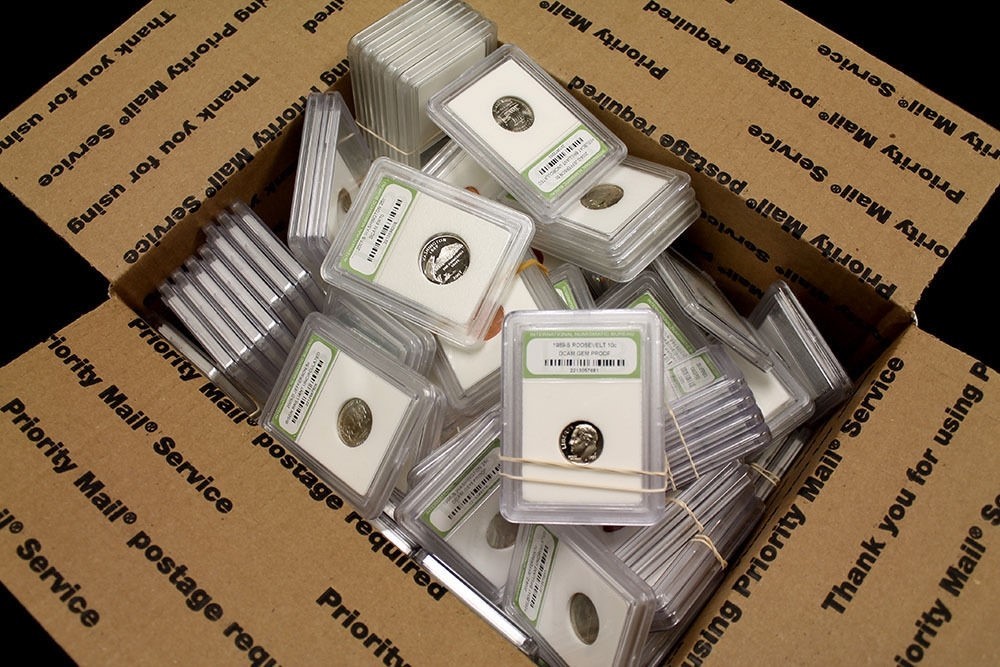
Slab characteristic refers to the verifiable data presented on the plastic holder, or "slab," applied by a third-party grading service (e.g., PCGS, NGC). This data package certifies the coin's authenticity and assigns a numerical grade reflecting its condition. The grade (e.g., MS-65) is the primary characteristic. The slab functions as a standardized, tamper-evident certificate. The mainstream equivalent is a certified appraisal, but the slab provides immediate, portable proof. The characteristics include the grade, the encapsulation type (e.g., airtight plastic), and a unique certification number linking the physical coin to the digital record.
What it does to price
The slab provides immediate market liquidity and reduces buyer risk, directly inflating value. A coin graded in a high-tier numerical grade (e.g., MS-67+) can fetch 3x to 10x the price of the same coin loose, depending on rarity. Lower grades (e.g., AU-58) see a smaller premium, perhaps 1.5x to 2x. Factors pushing value up include a high grade combined with a low population report number (meaning few others received that grade). Factors pushing value down include a poor grade or a slab from a non-reputable service. For example, a common date graded MS-65 might sell for $150 in a slab, whereas the same coin loose might sell for $40.
How to spot it
The primary tell is the official grading company logo and the corresponding certification number visible on the slab. Sellers must provide high-resolution photos of the entire slab, focusing on the grade and the certification number. Common issues include "slab tampering," where a coin is removed from an old slab and resealed, or "grade inflation," where a coin is submitted knowing it is slightly below the stated grade. Always verify the grading service's current reputation regarding their grading standards before trusting the number.
Buying smart
Paying a premium for a slab is warranted when the coin is rare, highly desirable, or when the grade is critical to the coin's market segment (e.g., high-grade rarities). If a coin is common and the difference between the slabbed price and the loose price is less than 2x, the premium may not justify the cost. A fair deal involves the slab grade aligning closely with established market averages for that coin type. If the seller is using a reputable service, the risk premium is justified.
Selling smart
Listing the coin with clear photos showing the entire slab, especially the grade and certification number, is mandatory. This immediately filters out casual buyers and attracts serious collectors willing to pay the verified premium. The single most effective element in a listing is a clear, focused photograph of the slab's grade window. Using the term "Professionally Graded" in the title instantly signals the verified status, allowing the price to reflect the third-party authentication.
On eBay right now
Current asking prices from live listings — not sold-comp medians.



eBay links are affiliate links: JunkPal may earn a commission at no cost to you.