What does “slab case” mean?
What it means
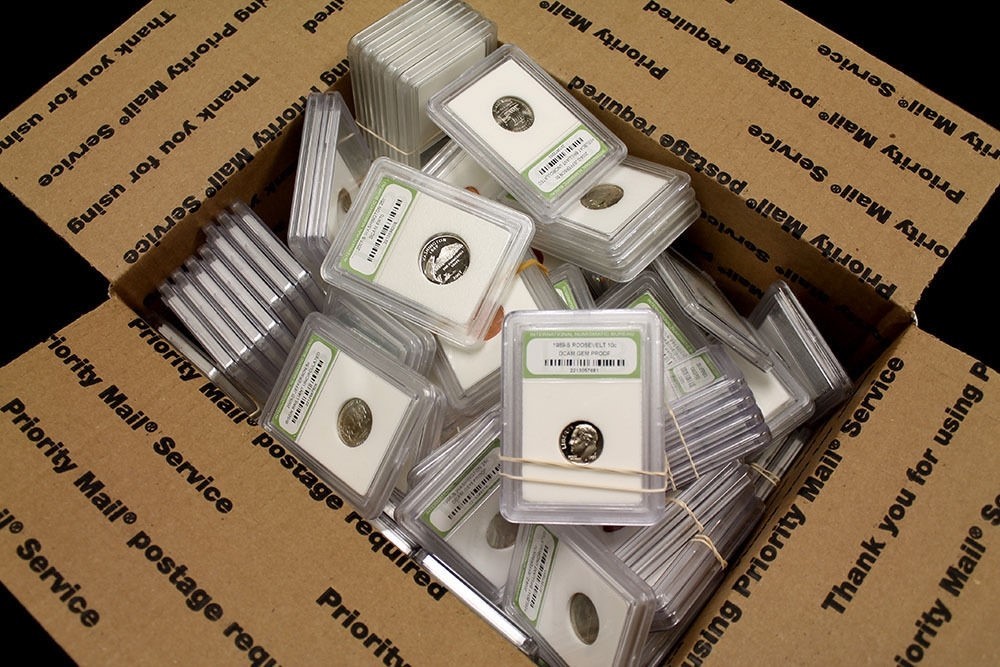
A slab case is a sealed, tamper-evident holder, typically hard plastic, issued by professional third-party grading services such as PCGS or NGC. When a coin is encapsulated, it means an independent expert has authenticated its genuine metal composition and assigned it a numerical grade reflecting its physical condition (e.g., MS-65, AU-58). This certification acts as a standardized, objective quality report. The mainstream equivalent is a certified appraisal, but the slab provides physical, verifiable proof of that appraisal. The grade itself is the primary asset; the plastic case is merely the protective packaging that proves the grade is locked in.
What it does to price
Slab certification generally commands a significant price premium over the same coin loose (ungraded). For common, low-grade specimens, the premium might be marginal (10-25%). However, for rare or high-grade coins, the multiplier can be substantial, often 3x to 10x the loose value, depending on the scarcity of the certified grade. Factors pushing value up include a high numerical grade (e.g., PCGS 70 vs. PCGS 65) and the reputation of the grading company. A realistic example: a circulated 1955 Lincoln Cent might sell loose for $5, but if certified PCGS MS-63, it could easily fetch $20-$30 due to the grade assurance.
How to spot it
The primary tell is the company logo, which must be clearly visible on the plastic holder. PCGS and NGC use distinct designs. The grade number must be legible, usually displayed prominently on the label or the holder itself. Fakes often involve poorly printed labels or incorrect holograms. Honest mistakes occur when a coin is graded by a service not recognized by the current market (e.g., an older, defunct grading company). Always check the current market acceptance of the grading service before assuming value. Do not trust a generic "certified" sticker; verify the official seal.
Buying smart
Paying a premium for a slab is justified when the coin is rare, highly desirable, or when the grade itself is the primary driver of value (i.e., the coin is not inherently valuable loose). If a coin is common and the grade is only slightly better than what is expected for its age, the premium may not be worth the extra cost. A fair deal means the premium paid for the certification aligns with the market consensus for that specific grade. If a $10 coin is listed as a "PCGS 68" but similar examples sell for $30-$40, the asking price is inflated.
Selling smart
Listing a coin in a slab immediately filters the buyer pool to serious collectors and investors, allowing for a higher price ceiling. The one element that earns the premium is the visible, verifiable grade number and the company logo. In photography, the slab must be centered and clearly visible in the primary listing photo. Avoid showing the coin loose unless the listing specifically contrasts the loose value against the graded value. The certification itself is the marketing tool that justifies the higher asking price.
On eBay right now
Current asking prices from live listings — not sold-comp medians.




eBay links are affiliate links: JunkPal may earn a commission at no cost to you.