What does “slab appraisal” mean?
What it means
Slab appraisal is the process where a coin is submitted to a recognized third-party grading service (e.g., PCGS, NGC) for professional evaluation. The service assigns a numerical grade (e.g., MS-65, AU-58) based on objective criteria regarding preservation and mint state. The coin is then sealed in a tamper-evident holder, or "slab," which serves as the official certificate of authenticity and condition. This replaces subjective grading by an individual collector with a standardized, verifiable metric. The numerical grade is the core of the appraisal; it is the market-accepted shorthand for the coin's quality.
What it does to price
Grading creates a direct, quantifiable premium. A high-grade slabbed coin can fetch 3x to 10x the price of the same coin in raw (ungraded) condition, depending on the rarity and market demand for that specific grade. For common coins, the premium might be minimal, perhaps 10-20% over loose. For scarce or high-demand coins, the difference is substantial. For example, a common date might sell for $5 loose, but the same coin graded MS-65 could command $50 to $100. The grade itself is the primary driver of value increase.
How to spot it
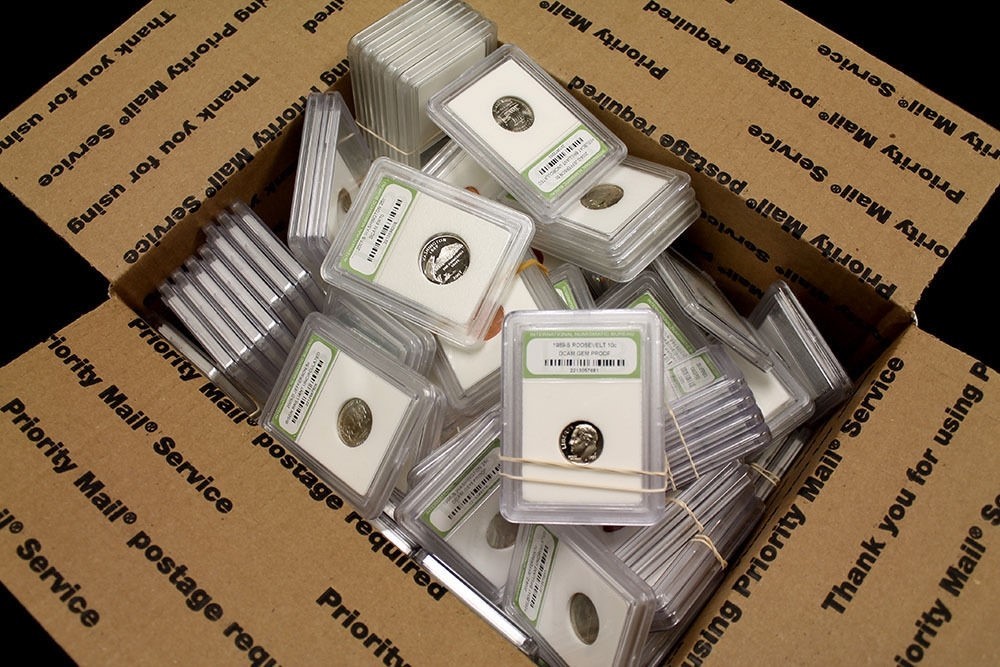
A slabbed coin will be housed in a plastic holder bearing the grading company's logo and a specific certification number. The grade (e.g., MS-65) must be clearly visible on the label. Sellers should provide high-resolution photos of the entire slab, ensuring the certification number is legible. Common issues include "fake slabs" (unauthorized holders) or coins that have been poorly cleaned prior to grading, which can lead to grade reductions or rejection. Always verify the grading company's website using the certification number provided on the slab.
Buying smart
Paying a premium for a slab is justified when the coin is rare, highly sought after, or when the grade is a significant step up from what the coin would achieve loose (e.g., moving from AU-50 to MS-63). If the coin is common or the grade is marginal (e.g., MS-62 when MS-65 is expected), the premium may not be worth the cost. A fair deal involves comparing the slabbed price against recent auction results for that specific grade and coin type. If the premium over loose is less than 30% for a low-rarity piece, it is likely a good buy.
Selling smart
Listing a slabbed coin requires minimal descriptive text regarding condition; the grade does the work. The listing must prominently feature a clear, well-lit photo of the *entire* slab, showing the certification number and grade. The word "Graded" or the specific grade (e.g., "PCGS MS-65") in the title is the primary mechanism for commanding a premium. Buyers pay for the assurance and instant marketability that the slab provides. Do not attempt to sell a slabbed coin without the official certification visible in the listing photos.
On eBay right now
Current asking prices from live listings — not sold-comp medians.



eBay links are affiliate links: JunkPal may earn a commission at no cost to you.