What does “silver proof” mean?
What it means
A silver proof is a coin struck using a proof process. This process involves polishing the dies to a mirror-like finish and often using specially prepared planchets (blanks). The resulting coin exhibits extremely high relief, sharp detail, and a brilliant, reflective surface, often showing a distinct contrast between the frosted design elements and the mirror-like fields. This is not a standard circulation coin; it is a premium collector's item. The term signifies an artistic production quality rather than just the metal content.
What it does to price
The proof designation adds a significant premium over the base metal value. For standard silver coins, a well-graded proof can command a price multiplier of 3x to 8x compared to the spot price of the silver content alone. Factors pushing the price up include limited mintage numbers and high-grade condition (e.g., PR-68 or higher). A common downward pressure is poor striking or visible die marks not inherent to the proof process. For example, a common silver bullion coin might sell for $30, while a comparable proof version could realistically fetch $150 to $300 depending on rarity.
How to spot it
The primary tell is the finish: fields must be highly reflective and mirror-like, contrasting sharply with the frosted details of the design. Look for specific minting indicators, often a "P" or a designated proof mark, usually found on the coin or its accompanying certificate. Sellers should provide high-resolution photos showing both the field reflection and the detail sharpness. Common mistakes include mislabeling a standard "proof-like" coin (which may just have a nice finish but not the proper striking) as a true proof, or counterfeits that mimic the finish but lack the die sharpness.
Buying smart
Paying the premium is warranted when the coin is rare, has a verifiable low mintage, and the aesthetic quality is flawless. If the coin is a common issue, the premium over bullion value may not justify the purchase unless the buyer is specifically collecting the proof series. A fair deal requires the asking price to be demonstrably supported by comparable sales data for the specific year and denomination. If the price is significantly above established auction averages for that series, further verification is required.
Selling smart
Listing the coin as "Silver Proof" immediately signals a higher tier of collectible quality to serious buyers, justifying a premium price. The single most effective element in a listing is a close-up photograph that clearly captures the mirror-like reflectivity of the field against the frosted design elements. Using the term "Mint State Proof" or "Brilliant Finish" in the description reinforces the specialized production method, allowing the seller to command the necessary collectible markup over simple silver weight value.
On eBay right now
Current asking prices from live listings — not sold-comp medians.

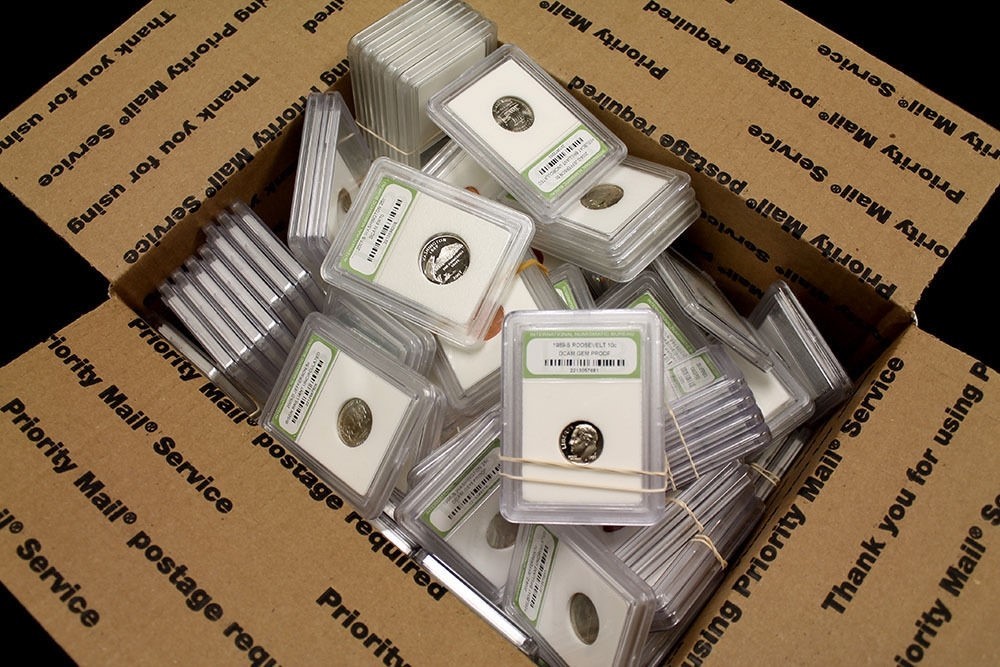


eBay links are affiliate links: JunkPal may earn a commission at no cost to you.