What does “set” mean?
What it means
A "set" is a curated grouping of coins. This grouping is defined by a specific unifying characteristic: year, denomination, mint mark, metal type, or a shared theme (e.g., all coins featuring presidents). The definition is not merely a random assortment; it implies a deliberate, logical structure. In the mainstream collecting world, this is equivalent to a "collection," but "set" often implies a more finite, complete grouping—like a complete year's circulation strike or a defined thematic run. Completeness is the defining metric; a set is only as valuable as its integrity.
What it does to price
Completeness drives value exponentially. A complete, well-preserved set of a specific type (e.g., all 1950s Lincoln cents from Mint X) typically fetches 2x to 5x the combined value of the individual pieces sold loose, provided the set is graded or documented. Incomplete sets suffer significant depreciation. For example, if a full set of 12 specific commemorative coins is valued at $1,200 loose, a set missing two key pieces might only sell for $600–$750. The narrative value of the whole outweighs the sum of its parts.
How to spot it
Identification requires confirming the unifying parameter. For thematic sets, verify the subject matter across every piece. For date/mint sets, ensure all required variations are present. Sellers must provide high-resolution photos of the reverse and obverse of *every* coin in the set. Look for documentation of the set's origin (e.g., "Mint Sheet," "Dealer Lot"). A common error is mislabeling a partial set as complete. Fakes often involve substituting a low-grade coin for a high-grade piece to maintain the illusion of completeness.
Buying smart
Paying a premium for a set is justified when the set is rare, historically significant, or when the buyer requires a complete narrative piece for their collection. If the set is common (e.g., a standard year's circulation run), the premium over buying pieces loose is usually unwarranted unless the set is professionally graded. A fair deal involves the premium being less than 40% of the total estimated loose value, reflecting the convenience and curation.
Selling smart
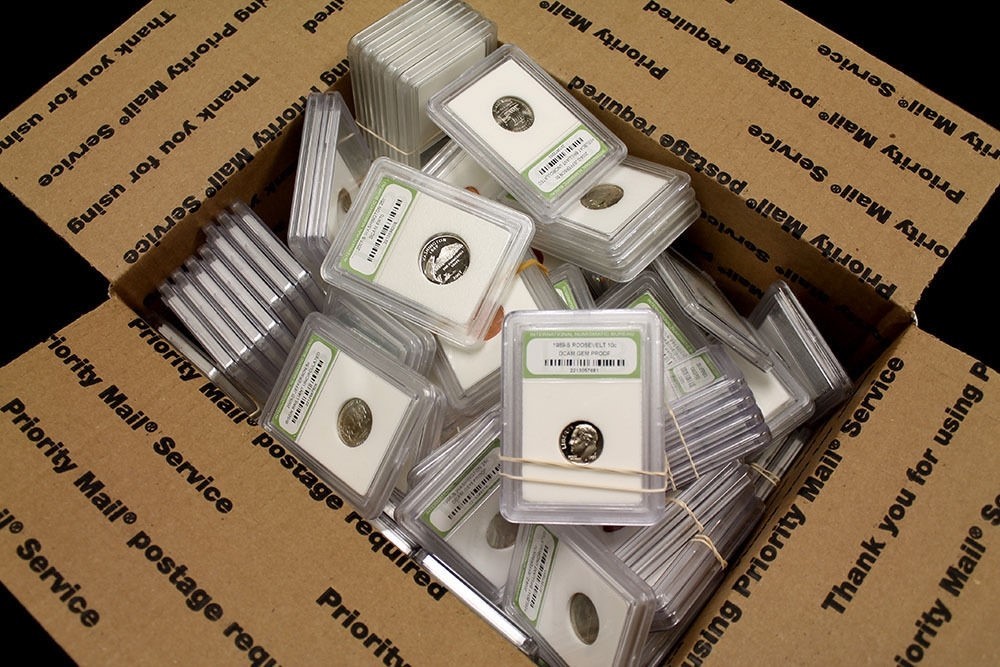
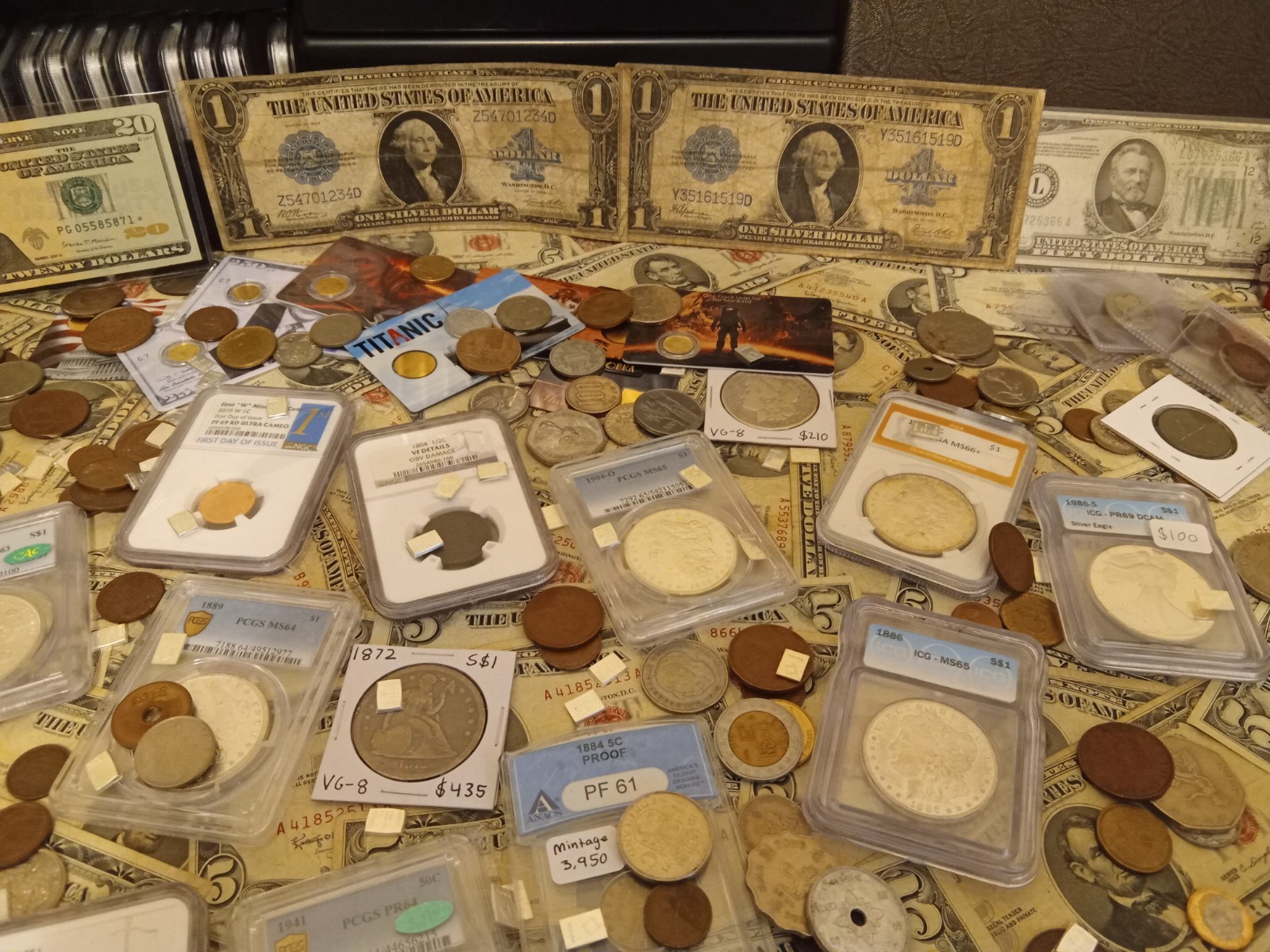
Listing a set requires clear categorization. Do not list it as "Assortment." Use precise terminology: "Complete 19XX Mint X Set" or "Presidential Theme Set." The single most valuable addition to the listing is a photograph showing all items laid out together, clearly demonstrating the scope and completeness of the group. Adding the phrase "Complete Set" or "Full Issue" in the title immediately targets the premium buyer.
On eBay right now
Current asking prices from live listings — not sold-comp medians.



eBay links are affiliate links: JunkPal may earn a commission at no cost to you.