What does “rim” mean?
What it means
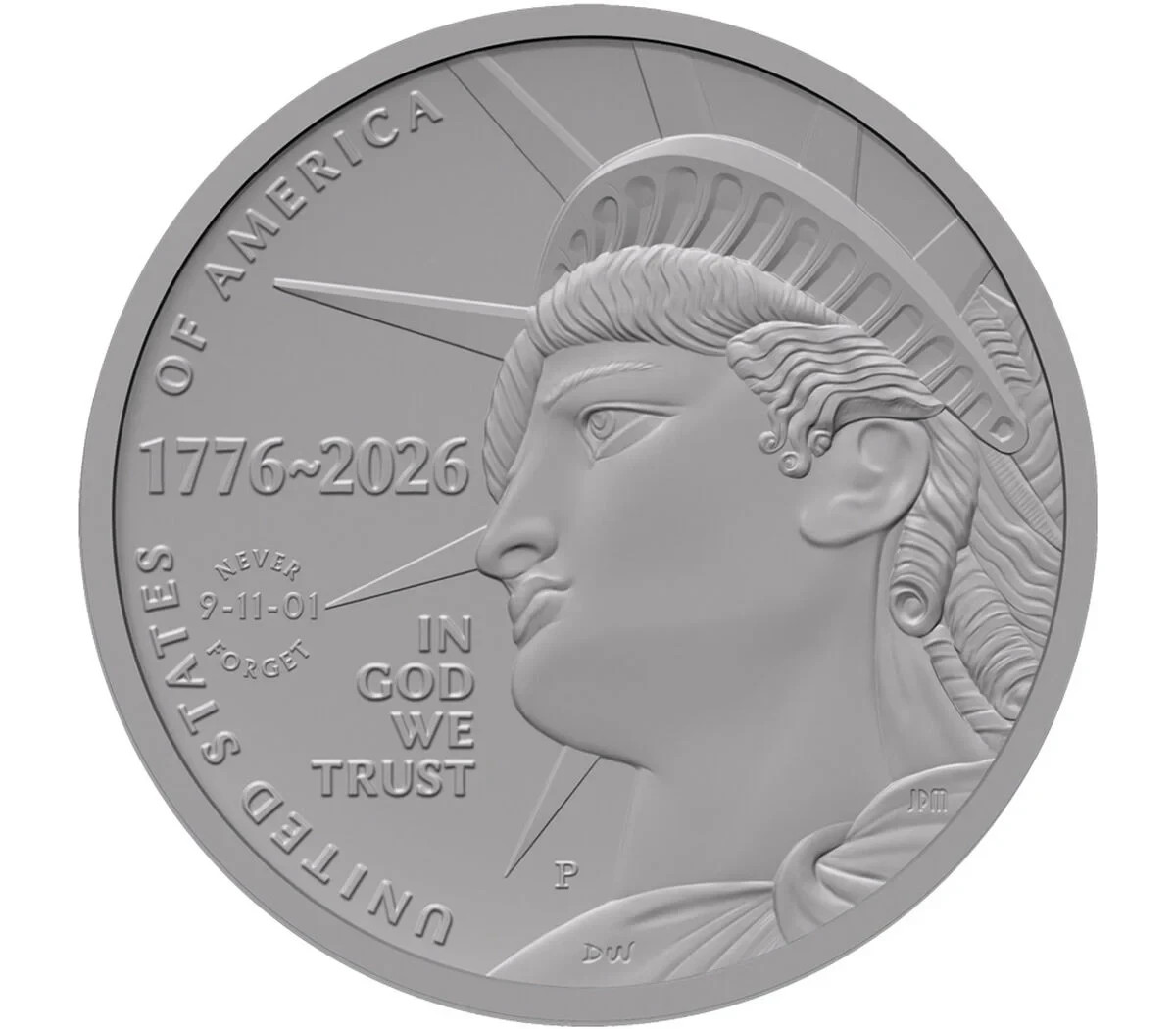
The rim is the raised border encircling the design field of a coin. It is not merely an edge; it is a critical component of the coin’s physical integrity. In numismatics, the quality of the rim relates directly to the die striking process. A sharp, crisp rim indicates the coin was struck with sufficient force and precision, suggesting a high-quality minting process. A weak, flat, or uneven rim suggests insufficient striking pressure or potential die wear. This characteristic is distinct from the coin's overall surface condition (like luster or wear) but is a separate, measurable attribute of the coin's physical construction.
What it does to price
Rim quality acts as a modifier to the coin's base value. A sharp, well-defined rim on an otherwise average coin can elevate its grade perception by half a step, which translates to a noticeable price increase. For example, a common date with a sharp rim might sell for 15% to 30% more than the same coin with a noticeably weak or "clipped" rim. Conversely, significant rim damage—such as heavy dings or chips along the edge—can lead to immediate grade reduction, potentially dropping the value by 20% or more, regardless of the central design condition.
How to spot it
Inspection requires magnification, typically 10x or higher. Look for consistency: the rim should maintain a uniform height and profile around the entire circumference. Common issues include "rim wear," where the edge has been rubbed down, or "die cracks" that manifest as irregularities in the rim structure. Sellers should provide high-resolution, close-up photos focusing specifically on the edge profile. Be wary of coins described as "proof" but exhibiting a dull, poorly defined rim; this is a common indicator of a low-quality reproduction or a poorly handled specimen.
Buying smart
Paying a premium for a superior rim is justified when the coin is otherwise high-grade (e.g., MS-65 or higher) or when the rim quality is the primary distinguishing feature between two otherwise identical examples. If the coin is low-grade (e.g., circulated), the cost premium for a perfect rim is usually not worth the marginal gain in value. A fair deal involves the premium being proportionate to the observable difference in striking quality. If a seller claims "mint state" but the rim shows signs of heavy contact marks, the price is inflated.
Selling smart
Documenting the rim condition is non-negotiable for maximizing sale price. When listing, use specific descriptors: "Sharp, full rim," "Well-defined edge," or, if damaged, "Rim shows minor edge wear." The single most effective photo is a macro shot taken perpendicular to the edge, clearly showing the profile from the top to the bottom of the rim. This visual proof allows buyers to accurately assess the coin’s structural integrity, justifying a higher asking price for excellent specimens.
On eBay right now
Current asking prices from live listings — not sold-comp medians.


eBay links are affiliate links: JunkPal may earn a commission at no cost to you.