What does “redemption value” mean?
What it means
Redemption value is the intrinsic, material worth of a coin, calculated based on the current market price of the metal it contains (e.g., silver, gold, copper). It is distinct from numismatic value, which is determined by rarity, condition, and collector demand. The short definition is accurate; it represents the baseline value if the coin were melted down. For collectors, this is the absolute floor price. For resellers dealing in bulk or damaged inventory, redemption value sets the minimum acceptable price, as the coin's collectible appeal is compromised.
What it does to price
Redemption value acts as a floor, not a ceiling. A heavily worn or damaged coin whose numismatic appeal is negligible will trade near its redemption value. For example, a heavily circulated silver dollar might sell for $15 per ounce of silver, regardless of its face value. Conversely, a pristine, high-demand coin (e.g., a rare Proof set) will trade at a multiple of its metal content—often 10x to 100x or more, depending on scarcity. If a coin is undervalued relative to its metal content, it is a potential arbitrage opportunity for bulk buyers.
How to spot it
Spotting redemption value requires identifying the metal composition. This is usually found in the coin’s specifications or through established numismatic guides. For precious metal coins, the purity (e.g., .999 fine silver) is the key data point. Sellers should provide weight and metal composition data. A tell for potential undervaluation is when a coin is described vaguely ("old silver") without weight or assay data. A common mistake is confusing face value with metal content; a $1 coin made of silver has a redemption value far exceeding $1.
Buying smart
Paying a premium above redemption value is justified only when the coin possesses demonstrable numismatic appeal—high grade, low mintage, or significant historical significance. If a coin is merely "old" or "silver," and its grade is poor, paying more than 1.5x its calculated redemption value is typically poor investment. A fair deal for a common, circulated coin is one where the asking price is only slightly above the metal floor, perhaps 1.1x to 1.3x redemption value, reflecting minimal grading premium.
Selling smart
When listing, providing the metal content and current spot price reference immediately frames the coin's minimum value for potential buyers. For bulk sales, stating the coin's metal content allows buyers to quickly calculate the floor value, streamlining negotiations. The single most effective addition to a listing is a certified weight measurement (e.g., "Weight: 1 oz. Silver"). This immediately substantiates the redemption value calculation, signaling to knowledgeable buyers that the seller is aware of the material baseline.
On eBay right now
Current asking prices from live listings — not sold-comp medians.


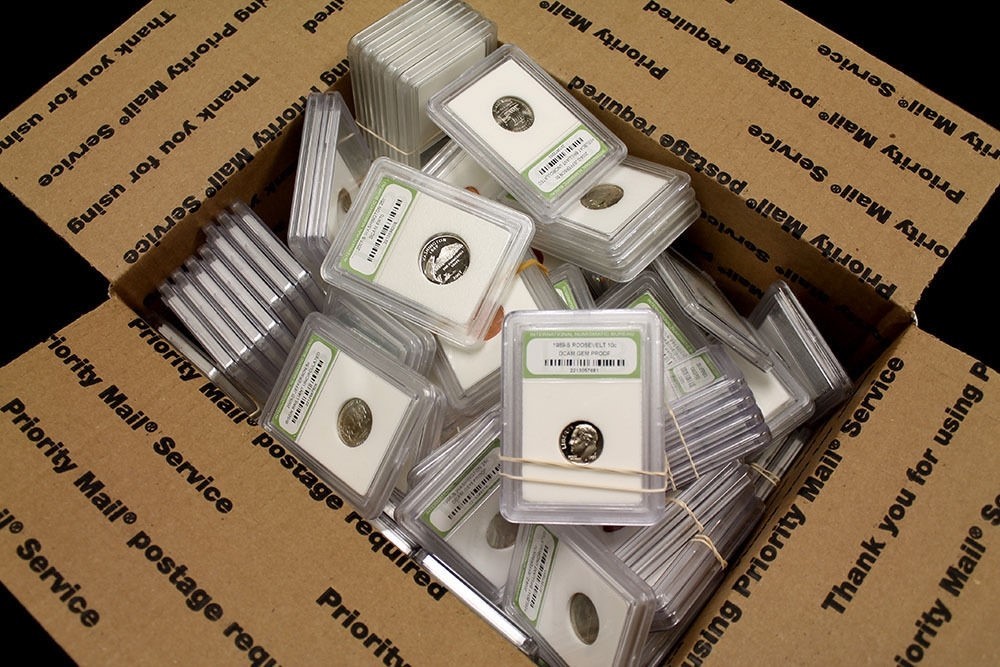
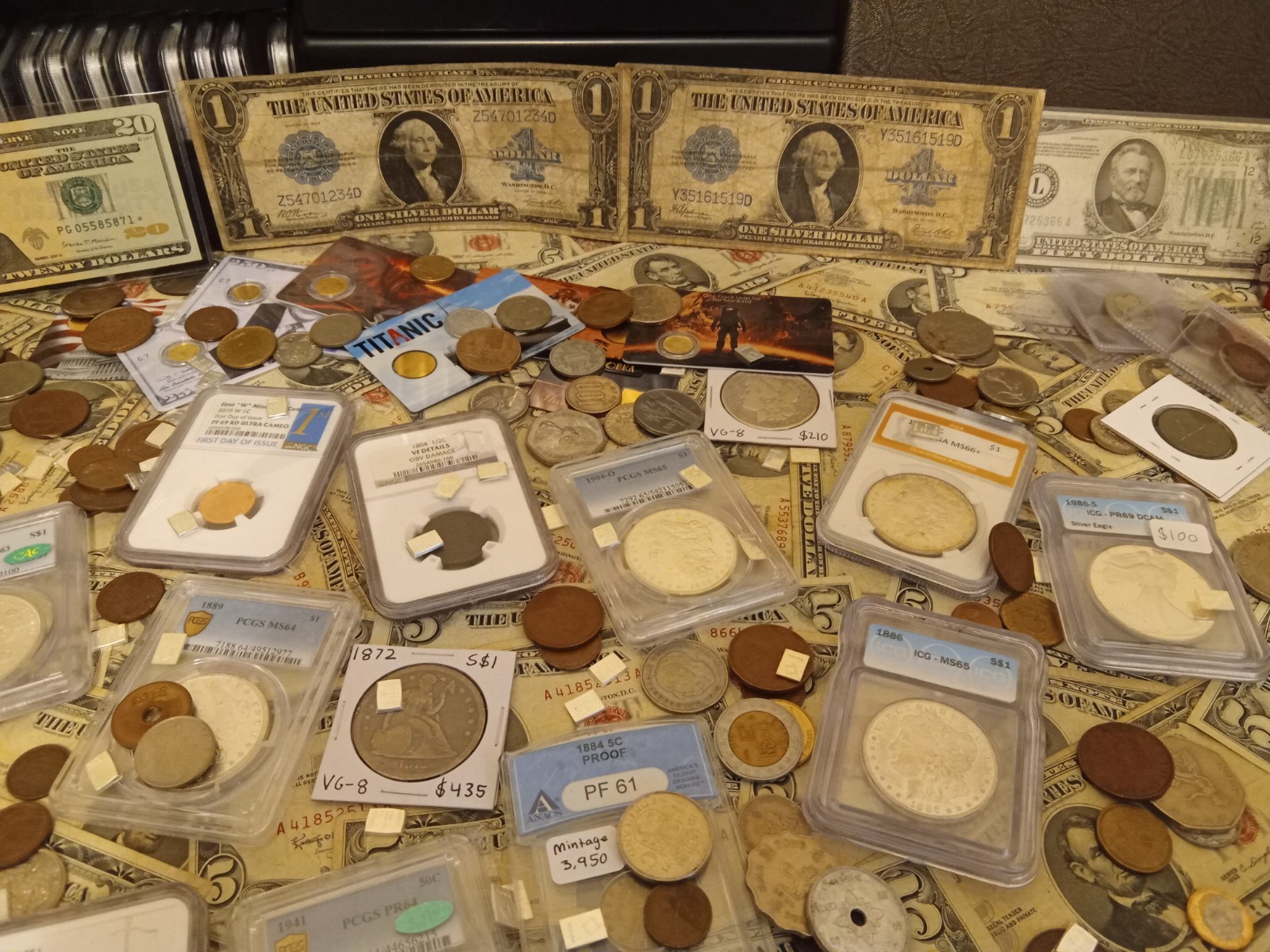
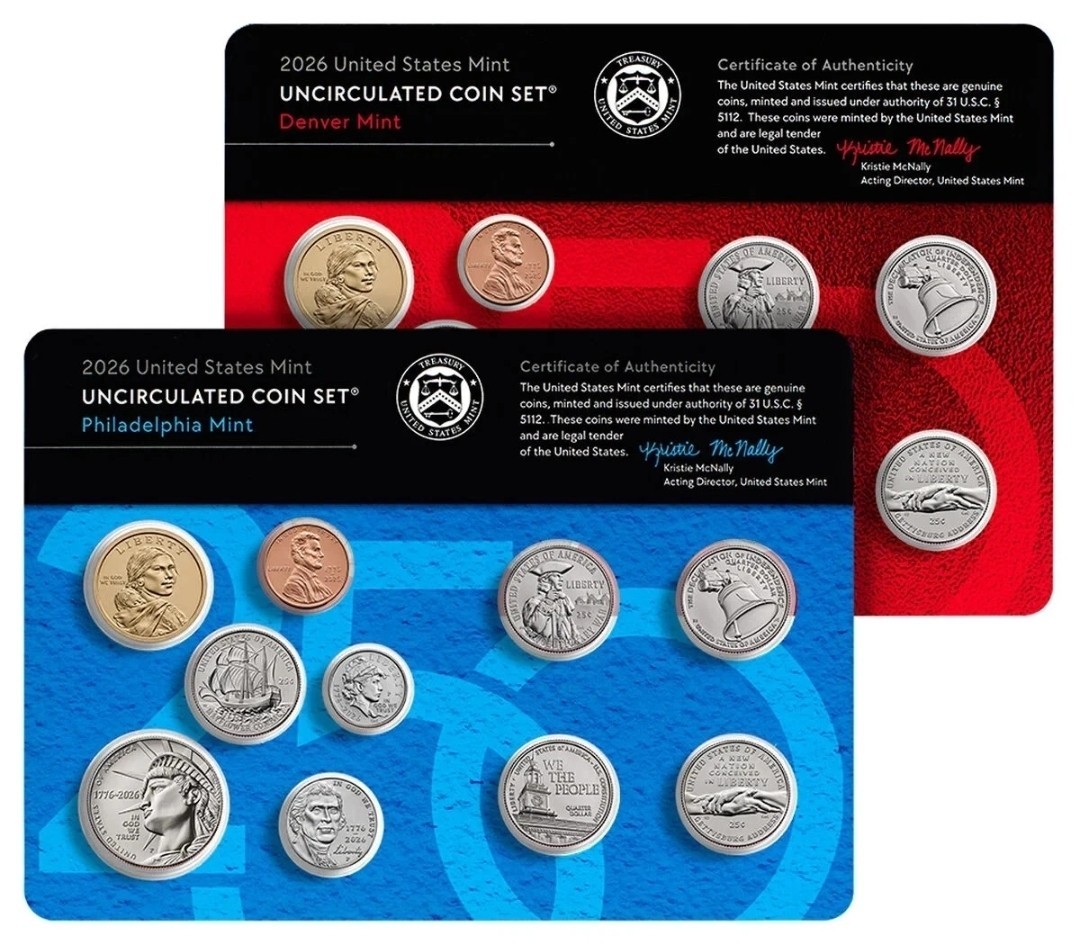
eBay links are affiliate links: JunkPal may earn a commission at no cost to you.