What does “raw coin” mean?
What it means
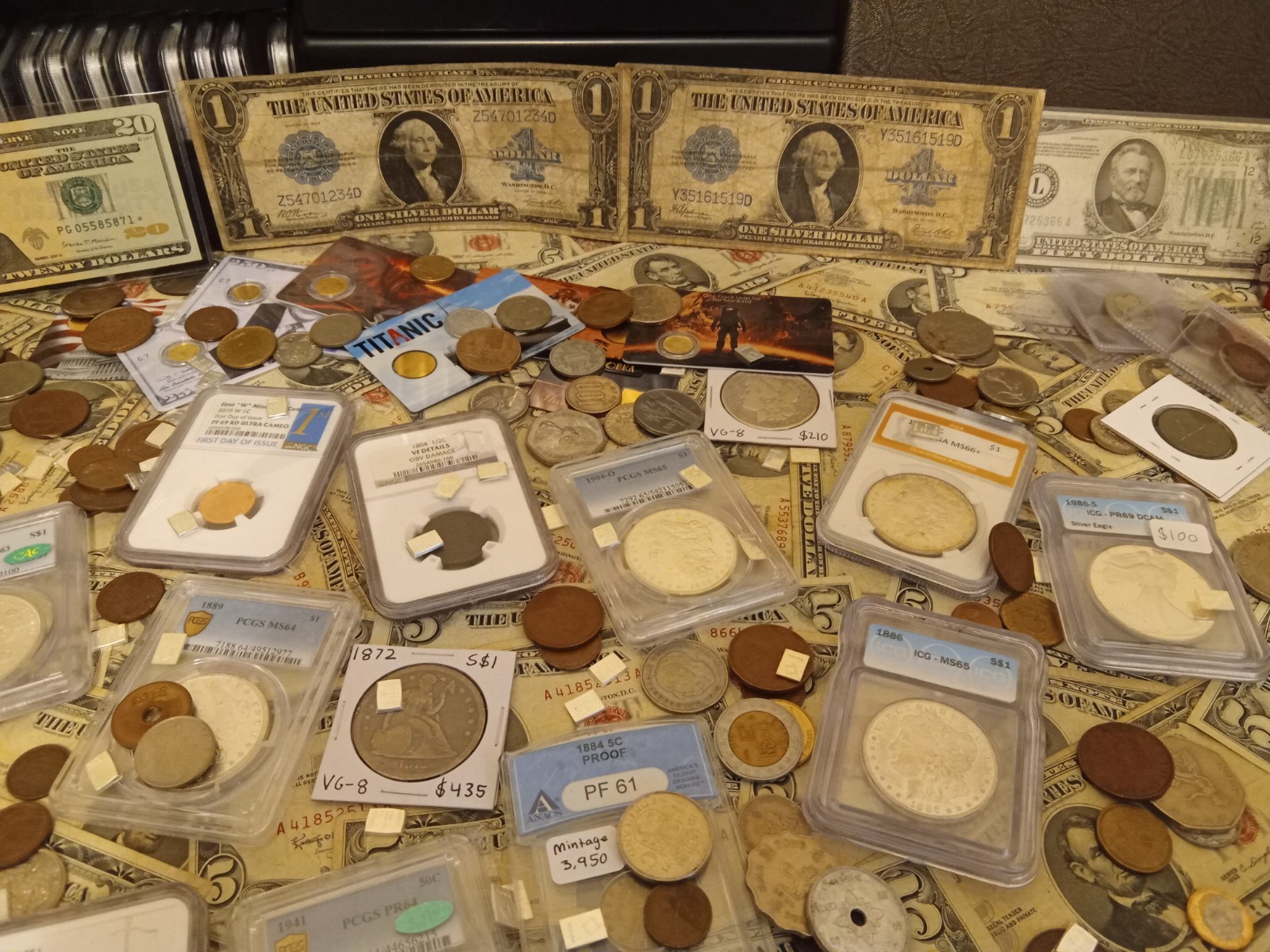
A raw coin is an uncertified piece of currency. This means it has not been submitted to, nor received, a professional third-party grading service such as PCGS or NGC. The coin exists in its acquired state—loose, bagged, or in original packaging. In this niche, "raw" is the direct opposite of "slabbed." The primary difference is the absence of a third-party guarantee of authenticity and condition. Condition assessment for a raw coin is entirely subjective and relies on the seller’s description and the buyer’s inspection. The seller assumes full liability for the coin’s true state.
What it does to price
The lack of a professional grade creates a discount relative to a certified counterpart. A raw coin typically sells for 30% to 60% less than the same coin in a comparable, high-grade slab. Price erosion accelerates sharply if the coin is heavily circulated or shows obvious damage. Conversely, a raw coin that is objectively excellent (e.g., appearing MS-65 or better) can command a premium over a poorly graded slab, as the buyer can achieve a better grade later. For example, a raw coin that appears to be AU-58 might sell for $150, whereas a certified AU-58 copy might sell for $225.
How to spot it
The tell is the absence of a tamper-evident plastic holder (slab) bearing a certification number from a recognized grading company. Sellers may attempt to pass off a heavily cleaned or altered coin as raw; this is a red flag. When examining photos, check for evidence of cleaning—scratches, artificial luster, or unnatural color shifts. Always request high-resolution images showing the rim, fields, and any known mint marks from multiple angles. Common issues include misidentified specimens or coins that have been chemically treated to improve appearance.
Buying smart
Paying a premium for a raw coin is only justifiable when the coin’s visual condition strongly suggests a high grade (e.g., appearing uncirculated) but the market price for the raw state is significantly lower than the expected grade. This is a speculative buy. It is not a good purchase if the coin appears heavily worn or if the seller cannot provide clear, high-resolution documentation. A fair deal involves a price that reflects the risk—a noticeable discount over the graded market average, compensating for the grading uncertainty.
Selling smart
To maximize value, the listing must clearly state "Raw" and detail the coin’s condition using standardized numismatic terminology (e.g., "Extremely Fine," "Very Fine"). Do not use subjective terms like "great looking." The single most valuable addition to a listing is a set of high-resolution, evenly lit photographs taken in natural light, showing both the obverse and reverse without any flash reflection. This visual proof minimizes buyer apprehension and justifies a higher price point within the raw market segment.
On eBay right now
Current asking prices from live listings — not sold-comp medians.


eBay links are affiliate links: JunkPal may earn a commission at no cost to you.