What does “ps grade” mean?
What it means
"PS grade" refers to a grading service applied to coins, similar to PCGS or NGC, though "PS" specifically denotes the Professional Sports Guaranty service. While the service originated in sports memorabilia, its application to coins functions identically to other third-party grading (TPG) standards. It signifies that an independent entity has assessed the coin's physical state—including details on strike sharpness, surface luster, and degree of wear—and assigned a numerical grade. This assessment is sealed within a tamper-proof slab, providing verifiable authentication and condition assurance. For collectors, the grade acts as a standardized proxy for subjective condition assessment.
What it does to price
Grading adds a significant, quantifiable premium. A high-grade, professionally encapsulated coin typically commands a multiplier of 2x to 5x compared to the same coin graded as "raw" (ungraded) or "loose" (unslabbed), depending on the coin's rarity and market volatility. The specific grade number is the primary driver; for instance, a coin graded MS-65 will fetch substantially more than the same coin graded MS-60. A minor grading error or a poorly sealed slab can reduce the premium by 20-30%. For a mid-tier collectible, a jump from raw to a certified MS-63 grade could realistically add $500 to $1,500 in market value.
How to spot it
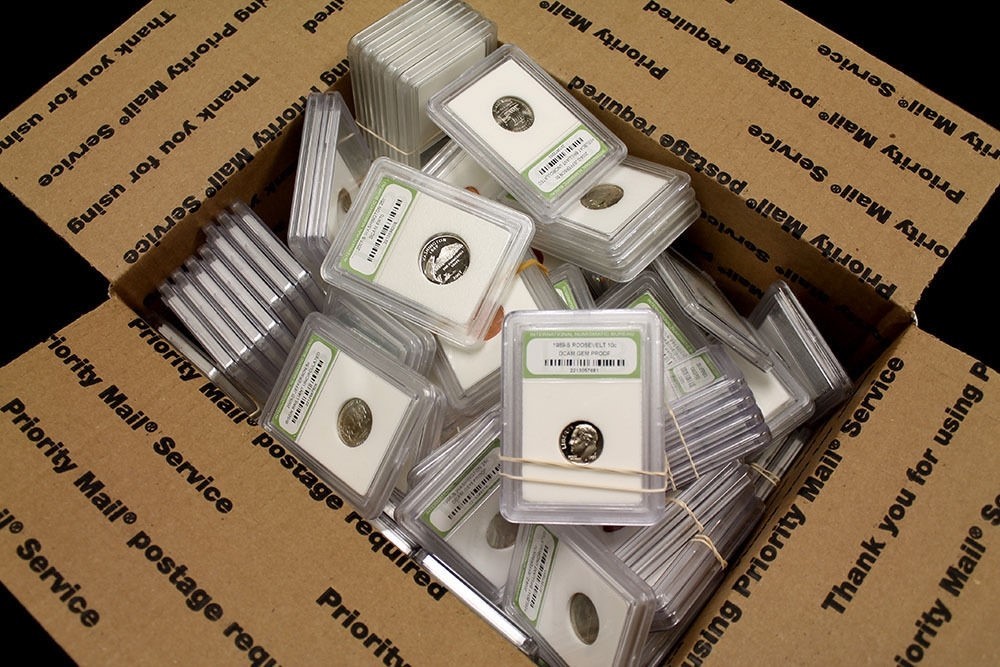
The primary tell is the sealed, tamper-evident holder itself, bearing the PS logo and the assigned numerical grade. Sellers must provide clear, high-resolution images of the slab, focusing on the certification label and the coin visible through the holder. Common issues include counterfeits of the slab or the certification sticker, which can be spotted by mismatched fonts or low-resolution printing. Honest mistakes often involve coins that are technically high-grade but exhibit minor edge damage or cleaning marks that the grader missed, which buyers must verify against the stated grade.
Buying smart
Paying a premium for a PS grade is warranted when the coin is high-value, rare, or when the market demands verifiable condition certainty (e.g., investment-grade pieces). If the coin is common or low-value, the cost of the grading premium often outweighs the potential increase in resale value. A fair deal involves the asking price reflecting the established market value for that specific grade. If a seller demands a premium far exceeding comparable sales data for that grade, the asking price is inflated.
Selling smart
Listing a coin with a PS grade immediately filters the buyer pool toward serious collectors and investors who require verification. The single most valuable element in a listing is a clear, well-lit photograph of the entire slab, showing the grade and certification details. Stating "PS Graded MS-68" is superior to simply stating "Excellent condition." This documentation allows the seller to command the TPG premium, as the buyer's perceived risk—the risk of buying a fake or an over-graded piece—is effectively eliminated.
On eBay right now
Current asking prices from live listings — not sold-comp medians.




eBay links are affiliate links: JunkPal may earn a commission at no cost to you.