What does “proof strike” mean?
What it means
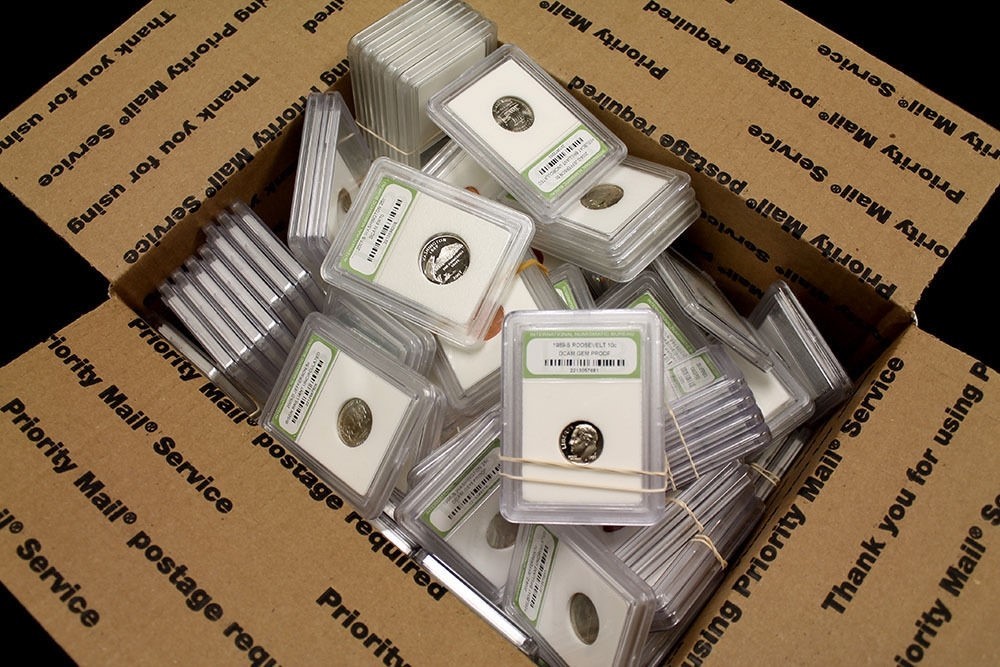
A proof strike is a specialized minting technique resulting in a coin with an exceptionally high level of surface detail and a polished, mirror-like finish on the coin's fields. The design elements (devices) are typically frosted or matte, contrasting sharply with the reflective fields. This is distinct from standard mint issues (like Proof-67 or Uncirculated) which aim for high quality but do not utilize the specific die and blank preparation of a true proof strike. The process is inherently designed for numismatic display, not circulation.
What it does to price
Proof coins carry a substantial premium over their standard counterparts due to production scarcity and superior aesthetics. For comparable dates and denominations, a certified proof coin typically fetches 2x to 5x the value of a comparable Uncirculated (MS) coin, depending on the coin's desirability and current market demand. Factors pushing value up include high-grade certification (e.g., PF69) and low mintage figures. Value decreases if the coin shows any evidence of handling marks, scratches, or if the original packaging is compromised. For example, a common proof set might sell for $800, whereas a comparable standard MS set might sell for $200.
How to spot it
The primary tell is the contrast: mirror-like fields against frosted devices. Proof coins are often issued in specific sets or designated as "Proof" by the mint. Look for specific mint markings or edition markers on the packaging or coin itself, depending on the issuing authority. Sellers should provide high-resolution photos of both the field and the device. Common issues include "Proof-like" coins—those that are highly polished but lack the true, deep mirror finish of a genuine proof strike—or coins that have been chemically treated to mimic the proof luster, which is a red flag.
Buying smart
Paying the proof premium is justified when the coin is a centerpiece of a high-end collection or when the coin's aesthetic quality is the primary collecting driver. If the goal is maximizing raw monetary return based on population scarcity, a standard, high-grade MS coin might offer better value. A fair deal involves the price reflecting the documented scarcity and the quality of the packaging. If a seller is asking for a premium but the coin lacks third-party certification, the price is likely inflated.
Selling smart
Listing a coin as a true proof strike immediately targets a higher-tier collector base willing to pay a significant premium. The single most effective element in a listing is clear, well-lit photographs that explicitly capture the mirror-like field and the frosted device contrast. Using the precise term "Proof Strike" in the title, rather than just "High Grade," ensures the correct buyer segment sees the listing. Proper grading and documentation of the original presentation case are non-negotiable for realizing the top-end sale price.
On eBay right now
Current asking prices from live listings — not sold-comp medians.




eBay links are affiliate links: JunkPal may earn a commission at no cost to you.