What does “proof set” mean?
What it means
A proof set is a curated collection of coins struck using the proof process. This process involves striking coins against specially prepared dies and using proof-grade planchets, resulting in a mirror-like field and frosted design elements. Unlike standard mint issues, proof coins are intended for collectors, not circulation. A "set" implies a complete grouping, often including specific dates or denominations from a series. The term refers to the entire presentation—coins, holders, and accompanying documentation—not just the metal. The primary value driver is the superior manufacturing quality and limited production run.
What it does to price
Proof sets carry a significant premium over their base metal value. A high-grade, complete proof set can command 5x to 20x the price of the same coins in standard uncirculated (MS) condition, depending on the rarity of the specific coins within the set. Factors that push value up include official mint certification (e.g., PCGS/NGC grading) and documented provenance. Value drops sharply if the set is incomplete, if the packaging is damaged, or if the coins are not officially graded. For example, a common proof set might fetch $500, whereas the same set, if it includes a rare date and is professionally graded, could easily exceed $3,000.
How to spot it
The primary tell is the surface finish: mirror-like fields and frosted devices. Proof coins will lack the natural wear patterns or toning associated with circulation strikes. Sellers must provide high-resolution images showing the coin's edge and the field/device contrast. Common mistakes include "proof-like" coins that are actually high-quality bullion strikes or modern reproductions. Genuine proof sets usually come in specific, branded presentation cases that match the mint's official packaging. Inspecting the coin's edge for mint marks or specific proof-related tooling is also necessary.
Buying smart
Paying a premium for a proof set is justified when the set contains coins of recognized numismatic significance (i.e., high scarcity or historical importance). If the set is composed of common, modern issues, the premium may not justify the cost unless the presentation itself is exceptionally rare. A fair deal involves a price that reflects the combined value of the individual coins *plus* a reasonable premium for the proof quality and packaging, typically between 1.5x and 3x the sum of the loose coin values. If the asking price exceeds 4x the loose value without exceptional rarity, further scrutiny of the documentation is required.
Selling smart
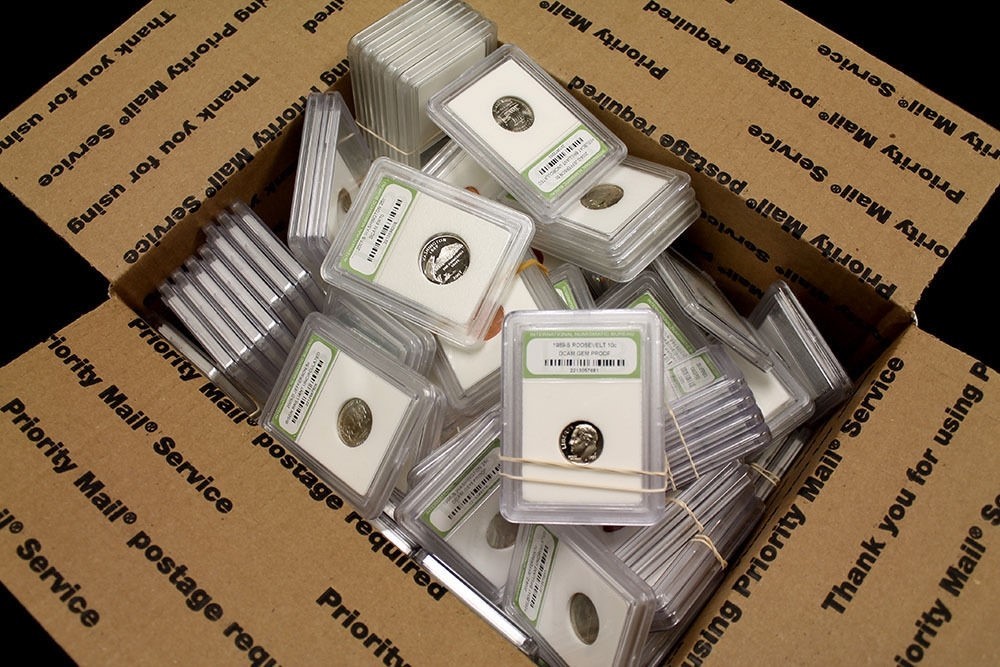
Listing a proof set requires precise terminology. Using the term "Certified Proof Set" or "Mint-Fresh Proof Collection" immediately targets high-end buyers. The single most valuable asset in a listing is a photograph showing the coin *inside* its original, undamaged presentation case. If the set has third-party grading, the slab photo must be the primary image. Buyers pay the premium for assurance; documented proof of authenticity and pristine condition translates directly into higher bids.
On eBay right now
Current asking prices from live listings — not sold-comp medians.




eBay links are affiliate links: JunkPal may earn a commission at no cost to you.