What does “proof” mean?
What it means
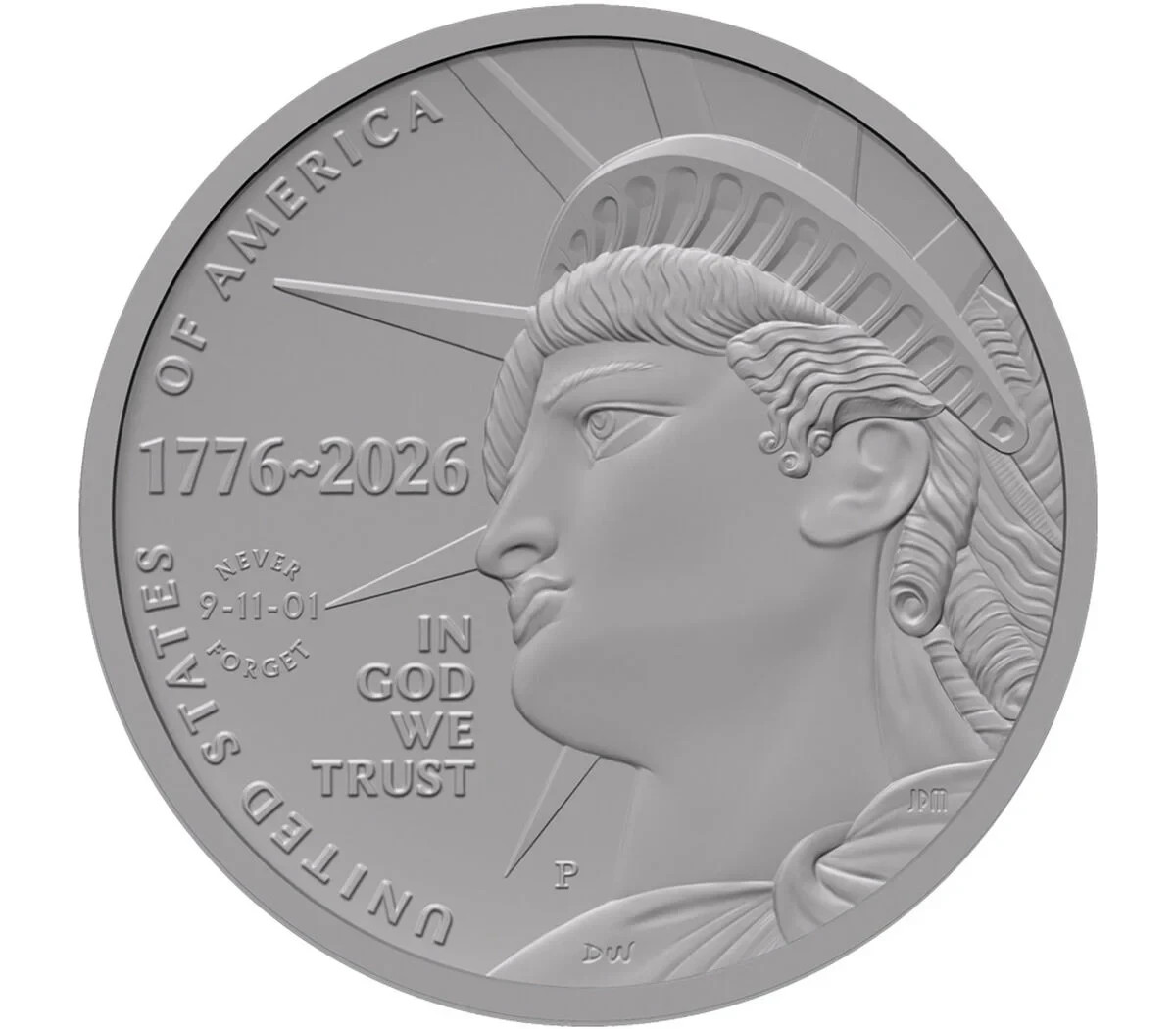
A proof coin is a specimen struck under controlled conditions. This process uses specially prepared dies and planchets to maximize detail and luster. The resulting finish is distinct: the coin fields exhibit a mirror-like, highly polished surface, while the design elements (devices) appear frosted or matte. This is not a standard circulation strike. In the collecting niche, "proof" denotes a premium, non-circulated, high-art production piece. The mainstream equivalent is a collector's edition or presentation piece.
What it does to price
The proof designation creates a significant value premium over a standard mint issue of the same date and denomination. Generally, a certified, high-grade proof coin can fetch 2x to 5x the price of a comparable uncertified, standard issue coin. Factors pushing the price up include rarity (limited mintage) and grade (e.g., PR-68 vs. PR-65). A coin that is merely "proof-like" but lacks official certification may only command a 1.2x to 1.5x premium. For example, a standard $1 coin might sell for $10; its certified proof counterpart could sell for $25 to $50, depending on demand.
How to spot it
The primary tells are the surface characteristics: mirror fields and frosted devices. Proof coins are often encased in specific holders (e.g., slabs or specialized packaging) that indicate their production line. Look for official mint markings or certification numbers associated with the proof program. Common mistakes include confusing a proof coin with a "proof-like" bullion strike, which mimics the finish but lacks the strict manufacturing controls. Fakes often have dull, uneven fields or devices that lack the sharp contrast inherent to true proof strikes. Always request high-resolution photos of the field and the devices before purchasing.
Buying smart
Paying a premium for a proof is justified when the coin is a key date, a limited-mintage issue, or part of a highly desirable series. If the coin is a common date with low collector interest, the premium may not be worth the investment. A fair deal involves comparing the asking price against recent auction results for *certified* examples of the exact same coin. If the asking price exceeds 1.5x the established market value for the base coin, further verification of its certification and condition is required.
Selling smart
Listing a coin as a genuine proof immediately qualifies it for a higher price tier. The single most effective element in a listing is a clear, high-resolution photograph that captures the contrast between the mirror field and the frosted design. Use the specific term "Proof" prominently in the title and description. Buyers searching for investment-grade or aesthetic pieces filter specifically for this term, bypassing the general circulation market. Do not list it as a "Mint State" coin; the designation "Proof" is the key to unlocking the premium buyer pool.
On eBay right now
Current asking prices from live listings — not sold-comp medians.


eBay links are affiliate links: JunkPal may earn a commission at no cost to you.