What does “PF grade” mean?
What it means
PF Grade signifies a Proof-like finish. This is not the same as a Proof coin, which is struck specifically for proof sets. PF refers to a coin that has been treated or struck to achieve the aesthetic qualities of a proof: a mirror-like, highly reflective surface on the coin's fields and extremely sharp, crisp details on the design elements (the devices). It is a high-end aesthetic designation. The mainstream equivalent is high-quality, professionally finished specimen. The standard requires meticulous striking and polishing to minimize surface imperfections.
What it does to price
The PF grade provides a significant premium over uncertified or lower-grade examples. Generally, a certified PF coin commands a 2x to 5x multiplier over a comparable, uncertified specimen, depending on the coin's base scarcity. Factors pushing the price up include a perfect strike and flawless surface condition. Factors pulling the price down include minor edge nicks or visible handling marks, even if the fields are mirror-like. For example, a common silver coin graded PF might sell for $150, whereas the same coin loose, without certification, might sell for $40.
How to spot it
Visually, a PF coin exhibits a stark contrast between the fields and the devices. The fields should reflect light like a mirror. The devices must show razor-sharp definition, with no blurring or mushiness. Sellers must provide high-resolution photos showing both the field reflection and the detail sharpness. Common issues include "scratches" that are actually handling marks that the grading service missed, or coins that are simply heavily polished but not struck to a true proof standard. Always check the grading company's specific criteria for PF, as standards vary.
Buying smart
Paying a premium for PF is worthwhile when the coin is a rare or highly desirable issue where aesthetic presentation is the primary driver of value. If the coin is common, the premium may not justify the cost. A fair deal involves comparing the PF grade against the coin's Population Report (PR) from the grading service. If the coin is common and has a high PR count, the PF premium is likely inflated. A reasonable purchase price should reflect the coin's base market value plus a justifiable premium for the certified finish, typically within the 2x to 3x range for mid-tier rarities.
Selling smart
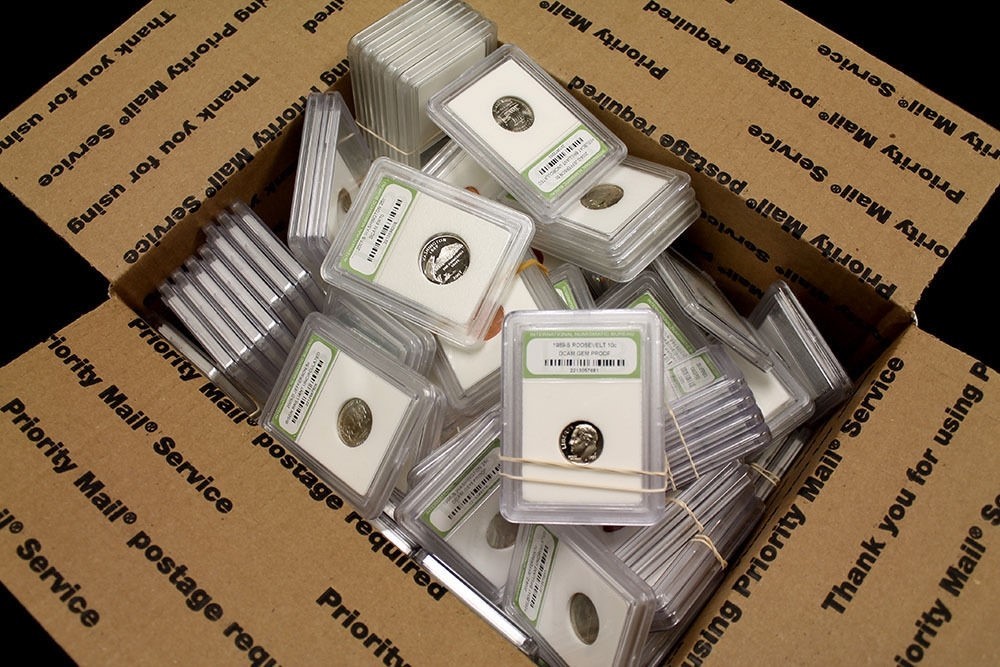
Listing a PF coin requires clear documentation. The single most valuable asset in the listing is the official, high-resolution photo of the slab/holder, clearly displaying the grading company's certification label and grade. The word "Certified" or the specific grade designation (e.g., "PF-68") must be prominent in the title. Buyers pay the premium for the assurance and verification the grade provides. Do not list it as "Proof-like"; use the exact PF designation to capture the correct buyer demographic.
On eBay right now
Current asking prices from live listings — not sold-comp medians.



eBay links are affiliate links: JunkPal may earn a commission at no cost to you.