What does “PCGS slab” mean?
What it means
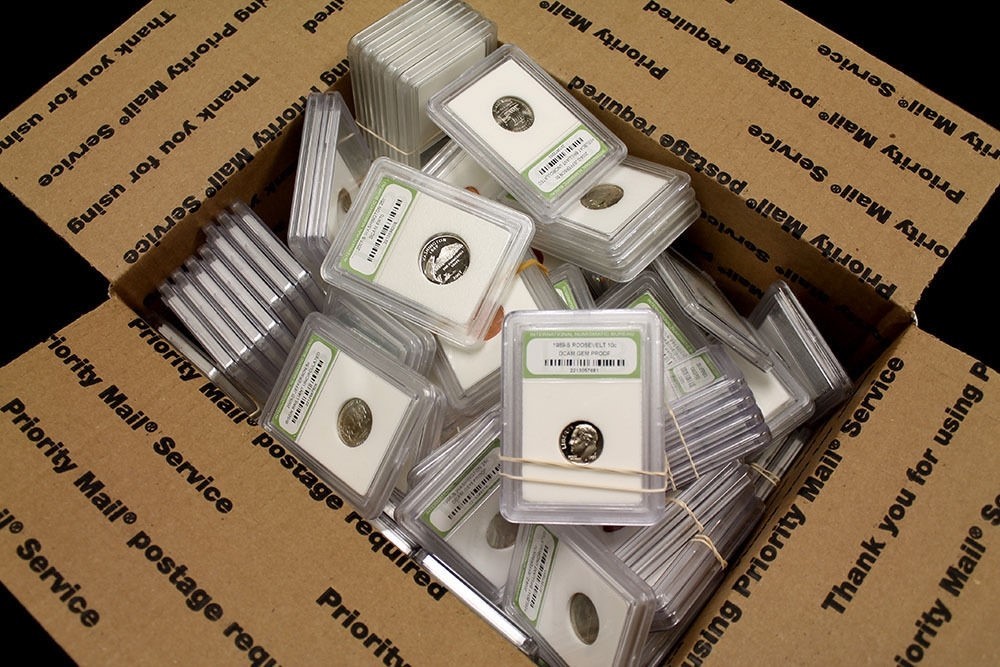
A PCGS slab is a sealed, tamper-evident plastic holder issued by Professional Coin Grading Service. It encases a coin after a certified expert has inspected it and assigned a numerical grade. This grade translates the coin's physical condition into a standardized scale, ranging from Poor (P) to Mint State (MS). The slab acts as a third-party guarantee of both the coin's authenticity and its assigned grade. In the collecting niche, the slab is not merely packaging; it is the verifiable proof of condition. The numerical grade (e.g., MS-65, AU-58) is the primary metric used to compare the quality of two or more coins objectively.
What it does to price
The grade within the slab is the dominant factor in market valuation. A coin graded in a high state (e.g., MS-67 or higher) commands exponential premiums over the same coin in uncertified (loose) condition. Generally, a coin graded in a high-grade slab can fetch 5x to 20x the price of an equivalent loose example, depending on the coin's rarity. Lower grades (e.g., AU-50) provide a moderate premium, perhaps 2x to 4x loose value. A key price driver is the *grade point increase*; moving from an MS-60 to an MS-63 can represent a 300%+ value jump. For example, a common silver dollar graded MS-65 might sell for $400, whereas the same coin ungraded might sell for $50.
How to spot it
Authentic PCGS slabs feature specific security elements, including holographic seals and precise labeling. The holder will clearly display the PCGS logo, the coin's grade, and a unique certification number. Common fakes involve poorly printed labels or incorrect hologram placement. Sellers should provide high-resolution photos of the slab's edges and the certification number for verification. Honest mistakes sometimes occur where a coin is slabbed but the grading service misreads a minor surface mark; always cross-reference the listed grade against known grading standards for that specific coin type.
Buying smart
Paying a premium for a slab is justified when the coin is rare, highly sought after, or when the grade is near the top of the achievable range for that coin. For common, low-value coins, the premium paid for the slab often outweighs the potential return. A fair deal involves comparing the slabbed coin's listed price against recent auction results for the *exact same grade* from reputable sources. If a coin is graded MS-65, but the asking price is significantly higher than comparable MS-65 sales, the premium is inflated.
Selling smart
Presenting a coin in a PCGS slab instantly elevates its perceived value and reduces buyer uncertainty. Buyers pay a premium for the removal of authentication risk. The single most effective element in a listing is a clear, well-lit photograph of the entire slab, ensuring the certification number and grade are legible. Listing the coin as "PCGS Graded [Grade]" rather than simply "Graded" clearly communicates the level of assurance provided. This verification shifts the buyer's focus from condition uncertainty to grade confirmation, directly supporting a higher asking price.
On eBay right now
Current asking prices from live listings — not sold-comp medians.



eBay links are affiliate links: JunkPal may earn a commission at no cost to you.