What does “PCGS grading” mean?
What it means
PCGS grading is the formal process of having a coin authenticated and assigned a numerical grade by Professional Coin Grading Service. This service subjects the coin to rigorous examination, assessing factors like strike quality, surface preservation, and metal integrity. The resulting grade—a number ranging from MS-60 to PR-67—is placed within a sealed, tamper-evident holder. This holder functions as a certified guarantee of the coin’s authenticity and its documented condition. The numerical grade is the industry standard for quantifying a coin’s quality, replacing subjective descriptions like "Very Fine" or "Extremely Fine."
What it does to price
The grade is the primary determinant of market value. The difference between an ungraded coin and a certified, high-grade example can be exponential. For a common bullion coin, the difference might be minimal, but for rare or key date coins, the multiplier is significant. A coin graded MS-65 versus an equivalent raw coin can easily command a 5x to 20x premium, depending on scarcity. A slight grade reduction, such as dropping from MS-68 to MS-64, can cause a drop in value exceeding 40% for high-demand pieces. For example, a rare 1955 Lincoln Cent might sell for $5,000 raw, but the same coin graded MS-67 could easily exceed $15,000.
How to spot it
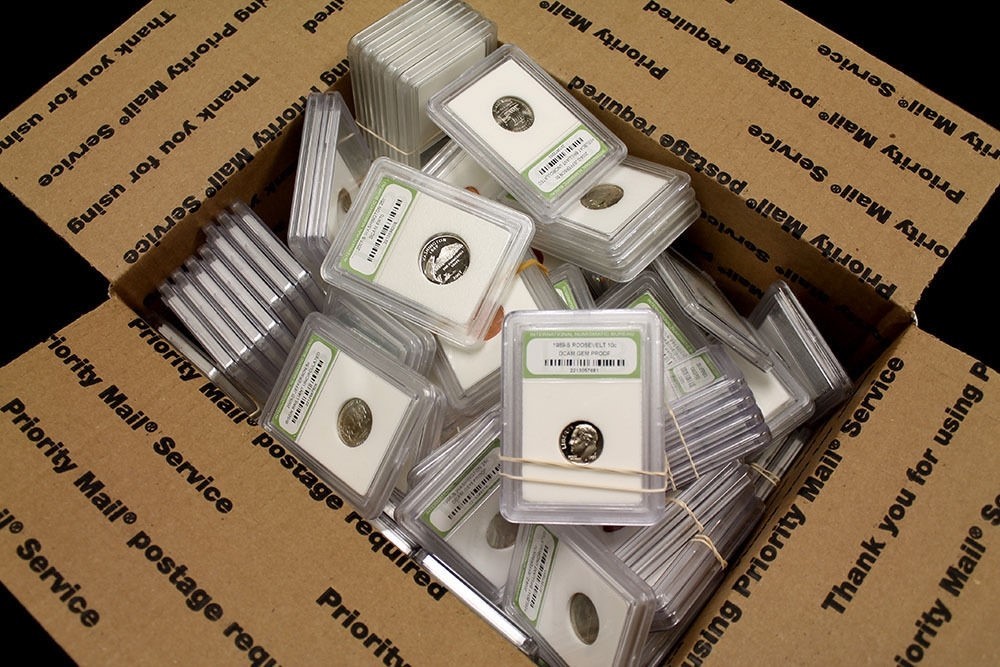
Genuine PCGS graded coins feature a specific, standardized holder design, including the PCGS logo, the coin's grade, and a unique certification number. The seal must be intact. Common issues include counterfeits of the holder itself, which are usually cheaper plastic reproductions lacking the precise security features of official PCGS packaging. Honest mistakes occur when a coin is graded incorrectly by PCGS, though this is rare. Sellers should provide high-resolution photos of the certification label and the coin itself, ensuring the holder's serial number is visible.
Buying smart
Paying a premium for a graded coin is justified when the coin is rare, highly desirable, or when the grade itself is the primary selling point (e.g., achieving a specific high grade like MS-69). If the coin is common or the grade is low (e.g., MS-62), the added cost of the grading service and the slab itself may not justify the price increase over a well-preserved raw example. A fair deal involves comparing the asking price of the graded coin against recent auction results for the *same* grade and coin. If the premium over a raw equivalent is less than 20% for a mid-tier grade, the deal is likely sound.
Selling smart
When listing a coin for sale, providing PCGS certification is non-negotiable for maximizing return. The holder itself acts as the primary marketing tool. The one element that earns the premium is the clear display of the grade and the certification number. Listings must feature a high-resolution photo of the entire slab, showing the PCGS label clearly visible. Buyers pay a significant premium for the removed risk associated with authentication; the slab eliminates the need for the buyer to trust the seller’s subjective description of the coin’s condition.
On eBay right now
Current asking prices from live listings — not sold-comp medians.



eBay links are affiliate links: JunkPal may earn a commission at no cost to you.