What does “paper mintage” mean?
What it means
Paper mintage is the official, documented quantity of a specific banknote or paper currency issue that was printed. This is the total number produced by the issuing authority for that particular design, year, and series. Unlike coin mintages, which refer to strikes, paper mintage refers to print runs. For collectors, this figure is the fundamental metric of inherent scarcity. A low mintage indicates fewer units entered circulation or survived, establishing a baseline for rarity. High mintage simply means more units were made, increasing supply.
What it does to price
Mintage creates a scarcity premium. Low mintage items typically command higher prices relative to their condition grade. A note with a documented mintage under 100,000 often sees a 5x to 10x multiplier over a common, high-mintage equivalent, assuming comparable condition (e.g., VF). Conversely, a high mintage note (e.g., over 5 million) will rarely exceed a 1.2x multiplier over its base value, regardless of minor design quirks. A $50 note with a mintage of 50,000 might sell for $500 loose, whereas the same note with a mintage of 5 million might sell for $75.
How to spot it
Mintage figures are usually published by the central bank or the issuing government in official catalogs or annual reports. For specific issues, the mintage number is often printed on the note itself, usually in small print near the serial number or within the security features, though this is not guaranteed. Sellers must provide documentation or reference a recognized numismatic catalog that cites the official print run. Fakes often omit or misrepresent this data. An honest mistake might involve confusing the *print run* with the *circulated population*—the number that actually made it into public hands.
Buying smart
Paying a significant premium for a low mintage item is justified when the note is in high grade (AU or UNC) and the mintage is exceptionally low (under 50,000). If the mintage is low but the note is heavily circulated (Poor to Fine), the premium is often negligible, as condition dictates value more heavily than scarcity in worn examples. A fair deal involves the asking price reflecting the scarcity premium *on top of* the condition grade value. If the seller cannot provide verifiable mintage data, the price should be discounted by at least 20% to account for uncertainty.
Selling smart
Listing the exact, verifiable mintage figure is the most effective way to justify a higher asking price. Stating "Low Mintage: 75,000" immediately signals rarity to knowledgeable buyers, allowing for a scarcity premium. The single most effective element to include in the listing is a high-resolution, clear photograph of any official print plate number or edition marker, if one exists. If no specific marker exists, a clear reference to the catalog number that confirms the low mintage is the necessary proof point.
On eBay right now
Current asking prices from live listings — not sold-comp medians.


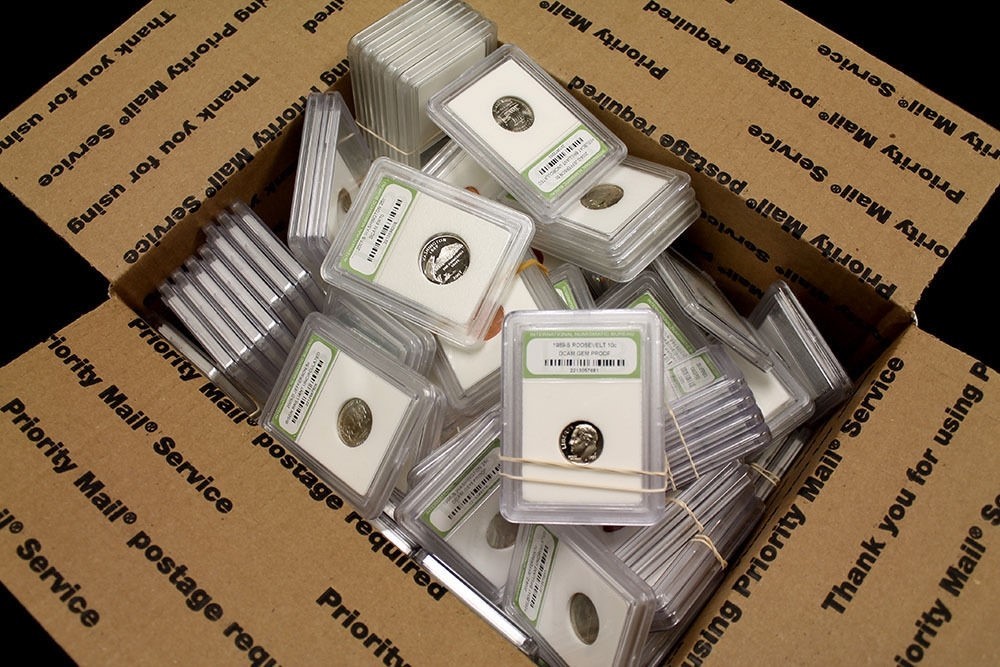

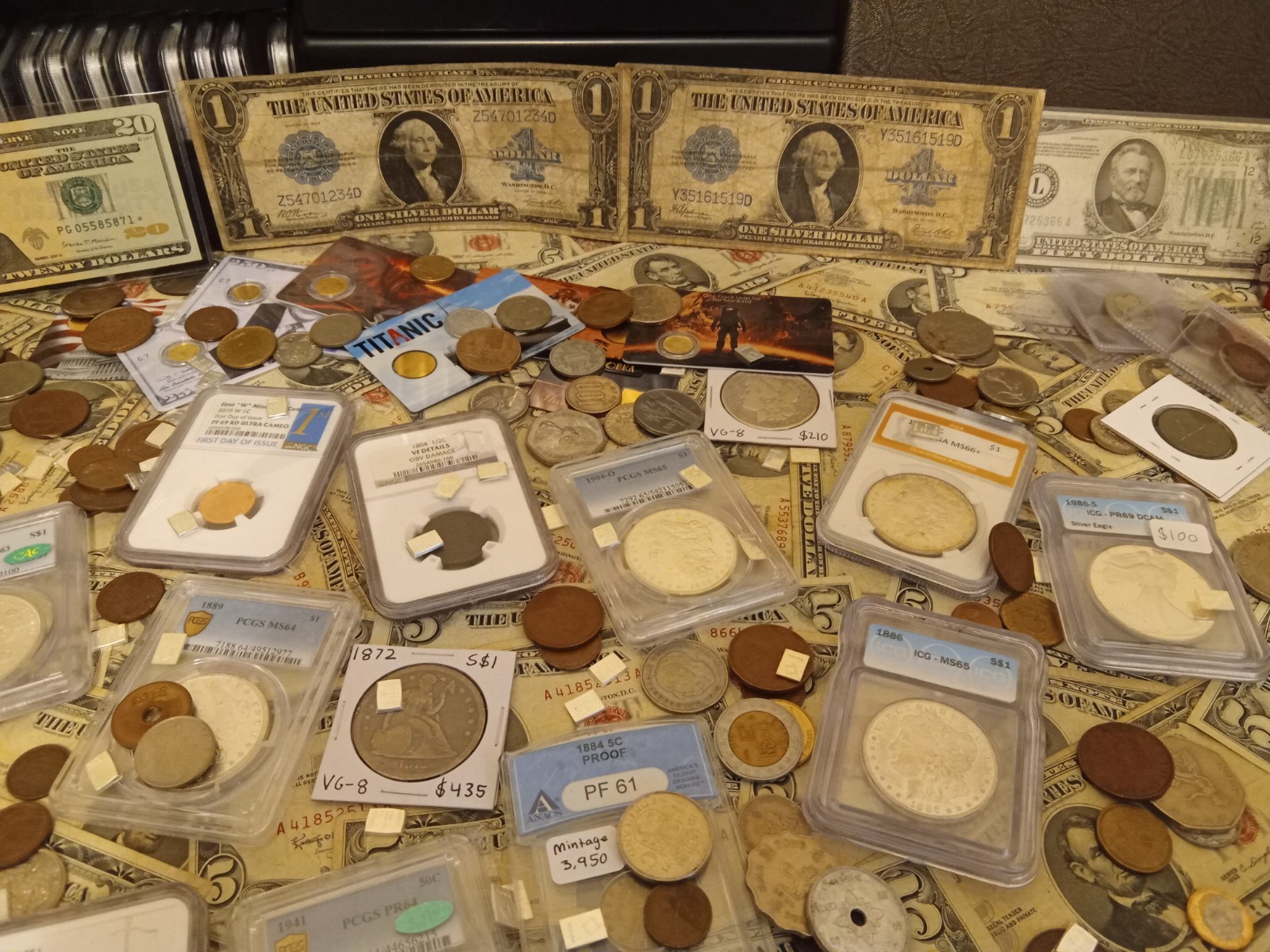

eBay links are affiliate links: JunkPal may earn a commission at no cost to you.