What does “paper condition” mean?
What it means
Paper condition describes the physical integrity of banknote currency. This metric assesses the note's wear relative to its original state. Key elements evaluated include crispness (how flat and unwrinkled the paper is), the presence and severity of folds or creases, any tears or punctures, staining, and the clarity of the ink printing. The mainstream equivalent is general "grade," but in numismatics, this is highly specific to paper handling. A note graded Uncirculated (UNC) means it has seen virtually no circulation; a note graded Heavily Circulated (HC) shows significant wear consistent with active use.
What it does to price
Condition dictates value exponentially. A pristine, certified UNC note can fetch 5x to 20x the price of a note in Good (G) condition, depending on rarity. Minor flaws—a small corner nick or light fold—can drop the value by 30% to 50% instantly. Conversely, a note that is crisp and free of creases commands a premium. For a common $1 bill, the difference between a heavily folded example and a mint UNC example can be $5 versus $50, illustrating the multiplier effect of preservation.
How to spot it
Inspection requires close examination of the paper structure. Look for sharp edges; rounding or fraying indicates handling. Examine the surface under bright light for hairline creases or embedded dirt/stains. Print quality is assessed by checking for "mushiness" in the ink versus sharp, defined lines. Sellers must provide high-resolution, well-lit photos showing the entire front and back, including the edges. Common issues include "soft folds" (creases that appear minor but are permanent) and accidental damage from improper storage (e.g., moisture spotting).
Buying smart
Paying a high premium for condition is justifiable only when the note is a high-demand rarity or a key piece in a specific set. If the note is common, the marginal increase in price for moving from XF to UNC is often not worth the added cost unless the buyer intends to hold it long-term. A fair deal involves a price that reflects the stated grade; for instance, a seller asking for a $500 note in "Near Mint" condition when comparable sales show $300 for that grade is overvaluing the condition.
Selling smart
Proving the condition is the primary driver of sale price. Listings must explicitly state the grade or describe the condition using precise terminology (e.g., "Sharp corners, minimal fold lines"). The single most effective element in a listing is a close-up, high-resolution photograph focused specifically on the note's surface texture and edges. Using the term "UNC" or "Gem Uncirculated" in the title, backed by photographic evidence, directly justifies the top-tier pricing bracket.
On eBay right now
Current asking prices from live listings — not sold-comp medians.


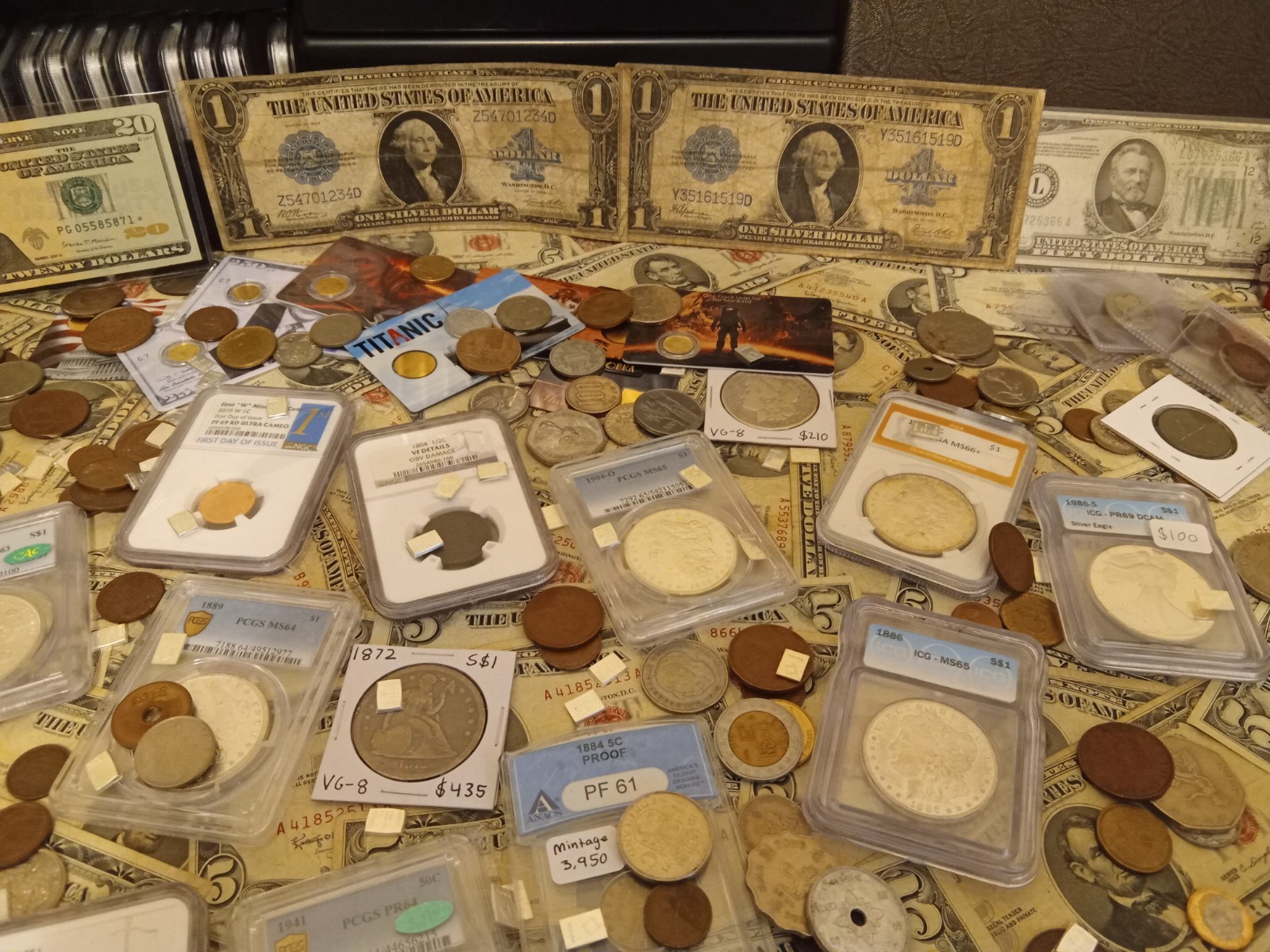

eBay links are affiliate links: JunkPal may earn a commission at no cost to you.