What does “pairing” mean?
What it means
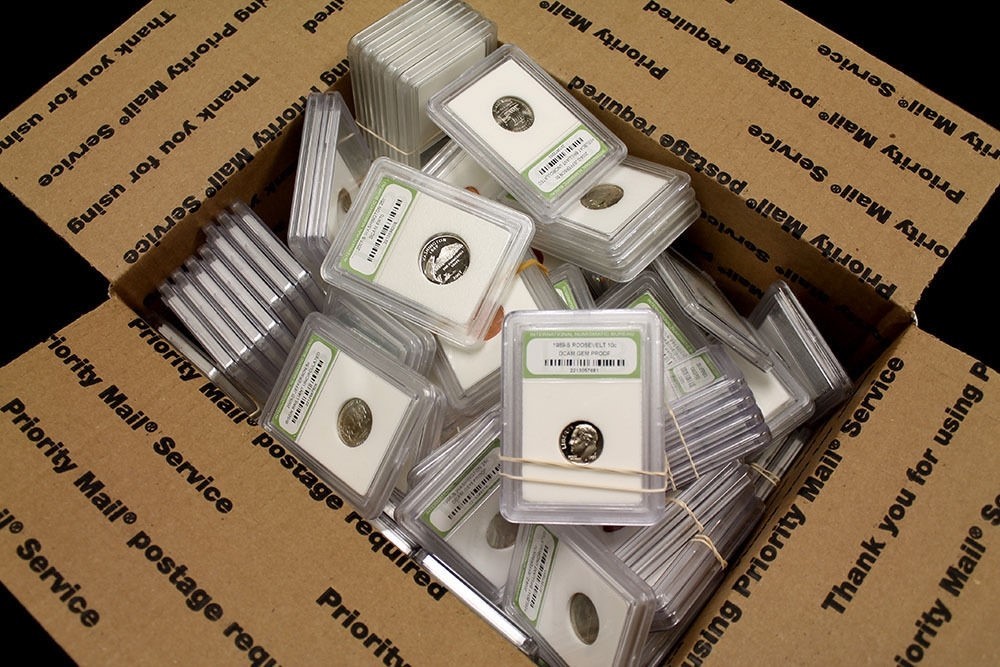
Pairing in coin collecting is the intentional grouping of related specimens for sale. This goes beyond simply putting items in the same box. It signifies a curated selection based on a specific collecting criterion. Common pairing methods include matching mint years, grouping coins from a single series or theme (e.g., American Presidents), or presenting a coin alongside its corresponding packaging, such as a proof set or a specific slab presentation. The concept is essentially presentation-as-collection. The mainstream equivalent is "set sales" or "thematic grouping."
What it does to price
Pairing reliably increases perceived value, which translates to higher realized price. A loose coin sold as part of a verified, complete set typically commands a 20% to 75% premium over the sum of its individual loose sales, depending on the rarity of the pairing. If a set is highly desirable (e.g., a full year of a specific low-mintage series), the premium can exceed 100%. Conversely, pairing disparate, unrelated coins simply to create a "set" without thematic logic can decrease value as it signals amateur curation. For example, two loose 1955 cents might sell for $5 total, but presented as a "1955 Mint Year Pair," they might fetch $8-$10 due to the implied completeness.
How to spot it
The tells are in the grouping logic. Look for explicit descriptions like "Complete 19XX Set," "Pairing: Mint Mark Match," or "Proof/Uncirculated Pair." Examine the items for consistency: are the dates identical? Are the mint marks consistent if they are supposed to be from the same location? When viewing listings, request high-resolution photos showing all items in the grouping together. A common honest mistake is pairing two coins that are visually similar but differ by a single die variety or minor mint mark variation, which should be noted if the pairing is meant to be strictly identical.
Buying smart
Paying a premium for a pairing is justifiable when the set represents a known, highly sought-after collection segment or when the pairing fills a clear gap in an existing collection. If the pairing is based on a weak or arbitrary theme (e.g., pairing a rare coin with a common one just to make a "pair"), the premium is likely inflated and not worth the extra cost. A fair deal involves the premium being proportional to the difficulty of obtaining the *complete* set, not just the convenience of the grouping.
Selling smart
Listing a pairing correctly transforms the offering from miscellaneous inventory into a curated product. The primary lever is explicit declaration. Instead of listing "Coin A and Coin B," the listing must state, "Complete Pairing: [Theme/Year]." The single most effective element is a photograph showing all components laid out together, clearly demonstrating the relationship between the items. Using specific terminology—e.g., "Matched Pair," "Series Complete"—validates the curation and justifies the higher asking price to informed buyers.
On eBay right now
Current asking prices from live listings — not sold-comp medians.




eBay links are affiliate links: JunkPal may earn a commission at no cost to you.