What does “pair” mean?
What it means
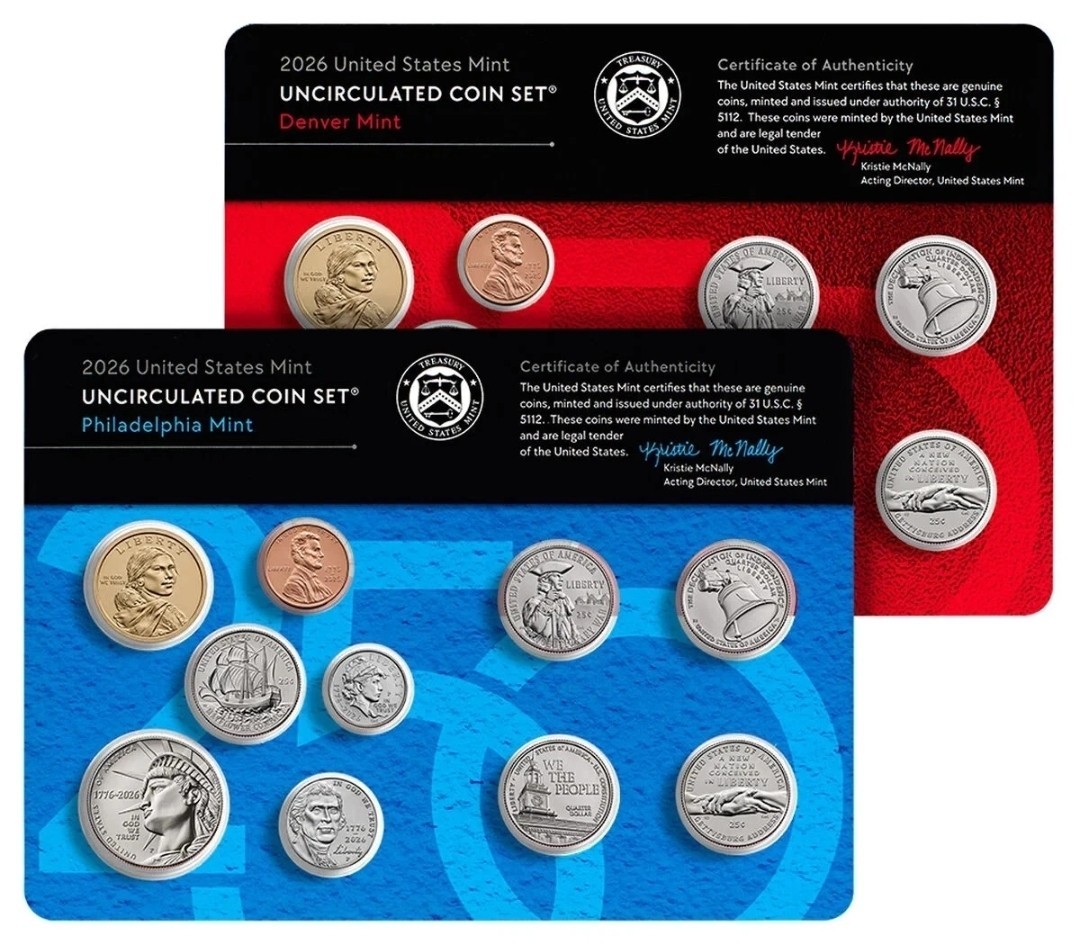
A "pair" in coin collecting refers to two distinct, yet deliberately grouped, coins being offered for sale or trade as a single unit. This is not merely two coins listed adjacent to each other; it implies a specific, recognized relationship between them. This relationship can be based on shared attributes such as matching mint marks (e.g., both D mint marks), identical dates, or thematic relevance (e.g., two coins representing two different sides of a historical event). The mainstream equivalent is a "set" or "matched lot," but "pair" is used when the connection is strictly binary—two items.
What it does to price
Pairing generally increases value over selling the coins individually, but the multiplier is highly variable. For two common coins, the premium might be negligible, perhaps 10-20% over the sum of their loose values. However, when the pair is rare, the premium can be significant. If two rare coins are paired to complete a specific, desirable sequence, the combined lot might fetch 1.5x to 3x the value of the individual coins sold separately, depending on market demand for that specific pairing. For example, two rare 1933-S VDB coins, when sold as a known pair, might command $500 more than if listed individually.
How to spot it
The tell is the stated rationale for the grouping. Sellers must explicitly state *why* the coins are a pair. Look for specific identifiers: matching die varieties, sequential dates, or thematic links mentioned in the description. Ask sellers for high-resolution photos showing both coins side-by-side, allowing verification of the stated connection (e.g., confirming the mint mark is identical). A common mistake is sellers grouping two coins simply because they are both from the same year but lack a specific connecting factor. Fakes usually involve misrepresenting a pairing that does not exist.
Buying smart
Paying a premium for a pair is justified when the pairing completes a known, valuable sequence or fulfills a specific collector objective. If the coins are common and the pairing offers no discernible narrative or rarity boost, the premium is unwarranted. A fair deal means the added value from the pairing justifies the extra cost—the premium should not exceed 30% of the combined loose value unless the pairing itself is highly sought after. If the connection is weak or arbitrary, treat them as two separate, slightly bundled purchases.
Selling smart
To earn the premium, the listing must be unambiguous. Do not just list two coins; describe the relationship. Use specific language: "Pair of 1955-D Lincoln Cents," or "Thematic Pair: US/Canada Commemorative." The single most effective element is a clear, well-lit photo showing both coins together, with the specific matching feature (e.g., the mint mark) visible on both pieces simultaneously. This visual proof validates the premium being requested.
On eBay right now
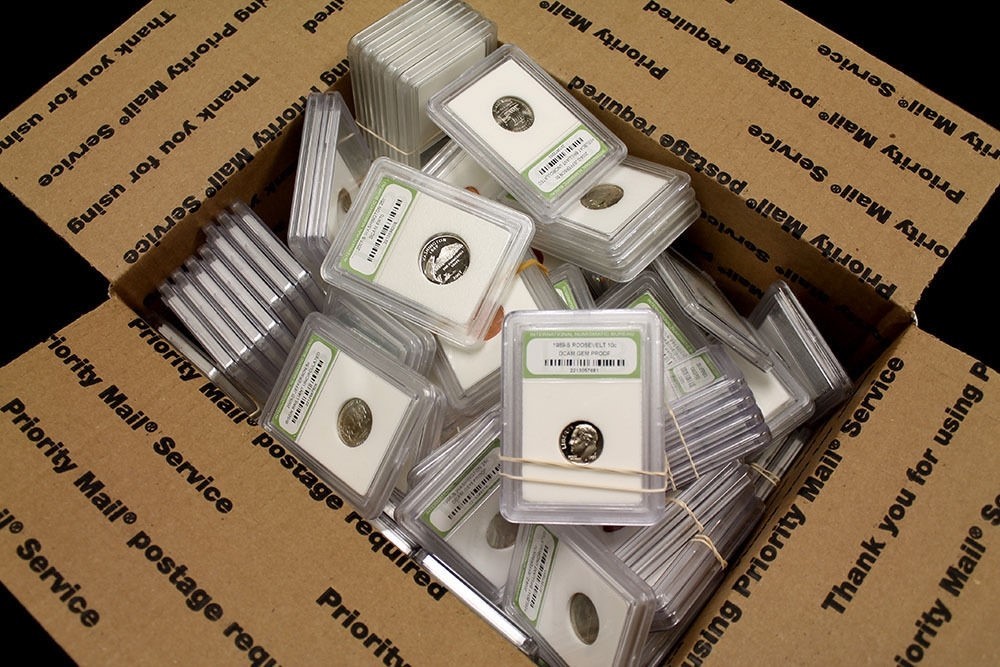
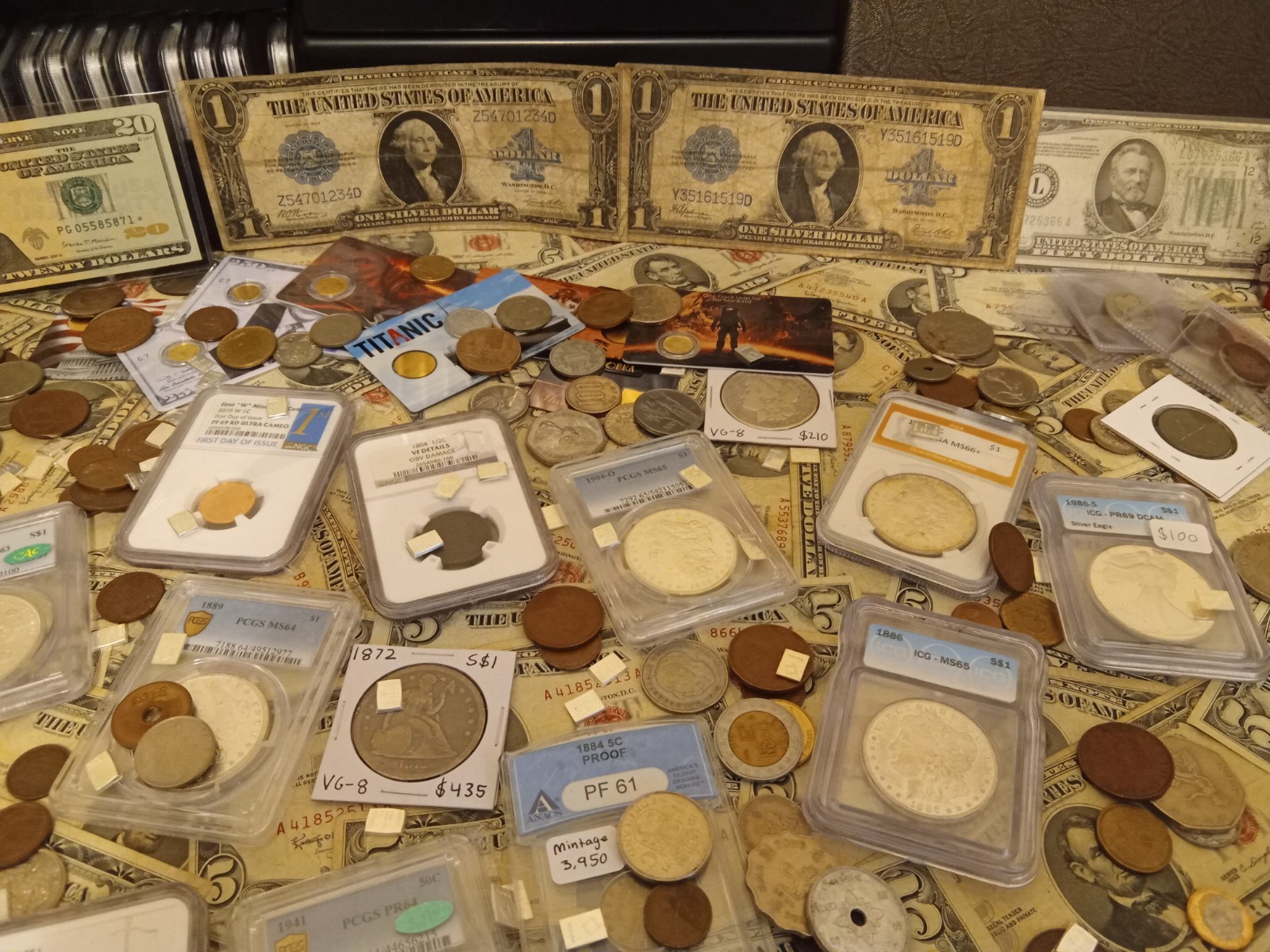
Current asking prices from live listings — not sold-comp medians.


eBay links are affiliate links: JunkPal may earn a commission at no cost to you.