What does “original wrapper” mean?
What it means
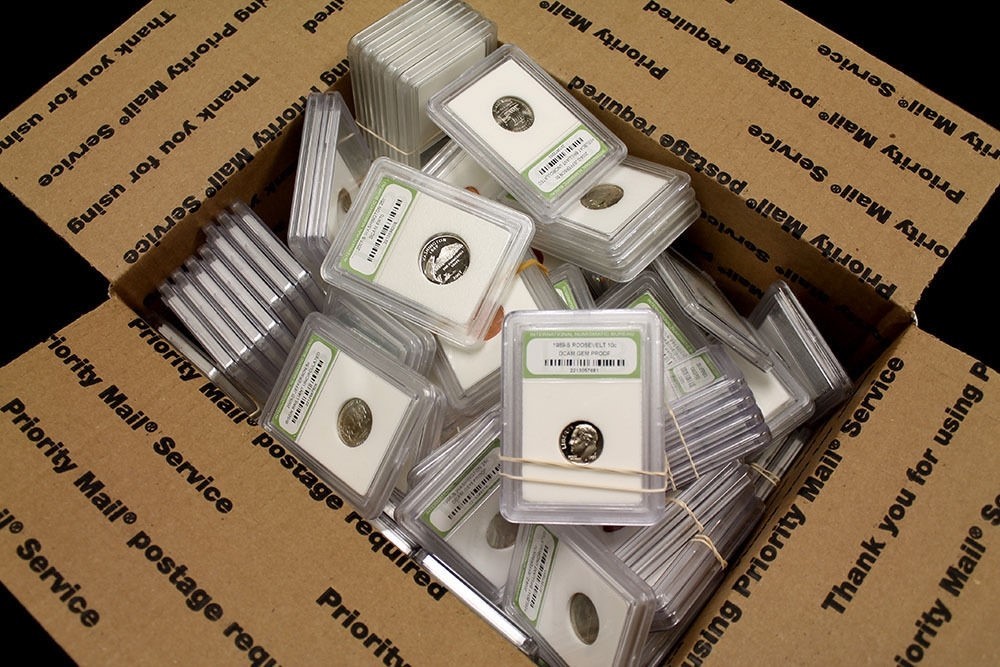
An original wrapper is the manufacturer-supplied packaging for a coin. This includes blister cards, plastic sleeves, cardboard holders, or specific mint packaging. For numismatic purposes, it is a form of original presentation. The term is not interchangeable with a graded slab (like PCGS or NGC), though some coins may have been wrapped and later graded. The wrapper signifies the coin's original state of distribution. Its presence confirms the item has not been significantly altered from its initial retail condition.
What it does to price
The presence of an original wrapper, particularly if mint-state and undamaged, acts as a direct value enhancer. For common circulation coins, a complete wrapper can increase value by 50% to 200% over the loose coin. For rare or high-value pieces, the multiplier can be higher, sometimes reaching 3x or more, provided the wrapper is pristine. A minor crease on a wrapper can reduce this premium by 20-40%. Conversely, a wrapper that is heavily yellowed or torn can negate the premium entirely, sometimes resulting in a lower sale price than the loose coin.
How to spot it
Identification depends on the coin's era. Modern commemorative coins often come in sealed plastic tubes or blister packs with specific serial numbering visible on the card backing. Older issues might use paper wraps or cardboard backing. Key tells include matching the wrapper design to known catalog images for that specific issue. Sellers must provide high-resolution photos of all sides of the wrapper, showing any printing, seals, or manufacturer logos. Common mistakes include sellers substituting a generic sleeve for the original factory packaging.
Buying smart
Paying a premium for original packaging is justified when the coin itself is scarce, highly desirable, or part of a specific set. If the coin is common and the wrapper is merely standard issue, the premium is often not worth the extra cost. A fair deal involves the wrapper's condition matching the coin's grade. If the coin is VF (Very Fine) but the wrapper is Mint (M), the premium should be modest. If both are high grade, the premium is expected.
Selling smart
Listing must clearly state the condition of the wrapper. Use specific terms: "Mint condition wrapper," "Sealed," or "Creased." The single most effective element in a listing is a clear, well-lit photograph showing the coin *inside* the wrapper, with the wrapper's edges visible. This visual proof of provenance justifies the price point and weeds out buyers unwilling to pay for complete items.
On eBay right now
Current asking prices from live listings — not sold-comp medians.




eBay links are affiliate links: JunkPal may earn a commission at no cost to you.