What does “original packaging” mean?
What it means
Original packaging refers to the specific, factory-supplied container in which a coin was first sold or issued. This is distinct from aftermarket protective holders (like flips or slabs). For coin collecting, this packaging establishes provenance—the documented history of the item. It is the original presentation medium. While the short definition correctly notes its significance, the primary value driver is not just "pristine storage"; it is the confirmation that the coin has never been removed from its intended retail or circulation context. The mainstream equivalent is "mint-state packaging" or "original sales wrapper."
What it does to price
The presence of original packaging acts as a verifiable condition multiplier. For common coins, the premium is negligible (under 5%). For rare, high-grade, or error coins, the multiplier can range from 2x to 5x the loose coin value. Packaging adds a layer of scarcity beyond the coin itself. A common example: A rare 1955 Lincoln Cent, loose, might sell for \$50. The same coin in its original, sealed retail wrapper could command \$125 to \$250, provided the wrapper is undamaged. Damage to the packaging (rips, discoloration, missing seals) immediately negates most of this premium.
How to spot it
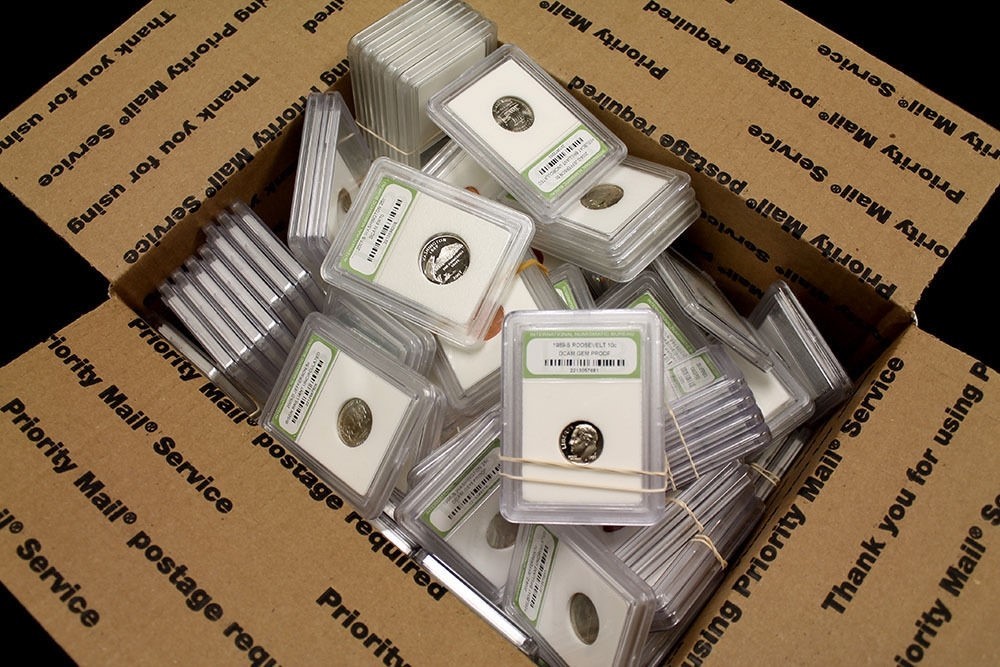
Verification requires examining the specific packaging type. For modern issues, this might be a blister card or a specific plastic holder with manufacturer markings. For older coins, it could be a specific type of paper wrapper or small cardboard sleeve. Sellers must provide high-resolution photos of the packaging itself, not just the coin. Look for serial numbers printed on the packaging that match the coin, and check for any factory sealing tape or numbered security features. Common mistakes include sellers using generic, non-original protective sleeves and presenting them as factory packaging.
Buying smart
Paying a premium for original packaging is justified when the coin itself is rare, has a known historical significance, or is graded high. If the coin is common and the packaging is merely a standard, easily replaceable retail sleeve, the premium is likely inflated. A fair deal involves the packaging condition being commensurate with the coin's rarity. If a high-value coin comes in heavily damaged packaging, the price should reflect the diminished provenance, even if the coin itself is perfect.
Selling smart
Listing the item with clear, detailed photographs of the packaging is mandatory for maximizing sale price. The single most effective element in a listing is a photo showing the coin *inside* the original packaging, clearly displaying the manufacturer's branding or sealing elements. Using the specific term "Original Factory Packaging" in the title and description signals to knowledgeable buyers that the item meets a higher standard of completeness, justifying a higher asking price than a loose equivalent.
On eBay right now
Current asking prices from live listings — not sold-comp medians.




eBay links are affiliate links: JunkPal may earn a commission at no cost to you.