What does “numismatic” mean?
What it means
Numismatic refers specifically to the study, collection, and valuation of currency, encompassing coins, tokens, and paper money. It is a specialized discipline, distinct from mere collecting. Numismatics requires analysis of the coin’s historical context, artistic design, and material composition. For the reseller, numismatic value is the market premium assigned to an item based on its collectible merit, separate from its face value or intrinsic metal content. A coin's numismatic appeal is driven by scarcity, preservation quality, and historical relevance.
What it does to price
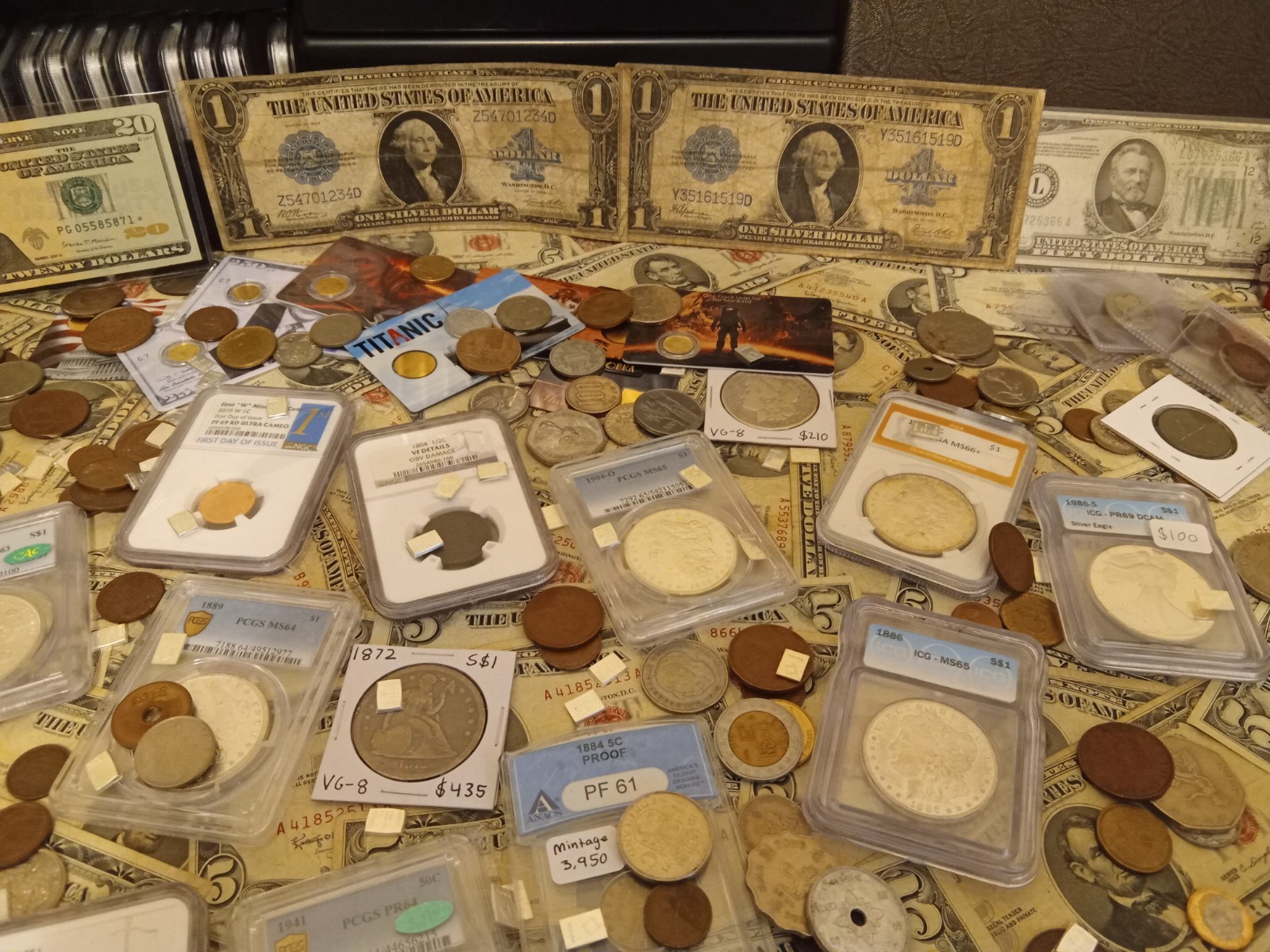
Numismatic value acts as a primary multiplier on a coin's worth. A common, circulated coin might sell for its face value or slightly more. However, a coin with high numismatic appeal—such as a rare mint error or a high-grade specimen—can command multiples of its base value. For example, a common silver coin might sell for $10 loose, but if it is authenticated and graded in a high-tier slab (e.g., MS-65+), its numismatic premium could push the sale price to $150–$500 or more, depending on the specific rarity. Factors increasing value include low population reports (PR) and exceptional preservation.
How to spot it
Identifying numismatic quality requires specific inspection points. Examine the strike quality: are the details sharp, or is the design mushy? Look for mint marks and die varieties, which are key differentiators. For paper money, check for security threads or watermarks. A common pitfall is confusing wear (circulation damage) with toning (natural patina). Sellers must provide high-resolution photos showing the coin’s edges and surfaces under bright, direct light. Watch out for common counterfeits that often exhibit poor metal flow or inconsistent weight.
Buying smart
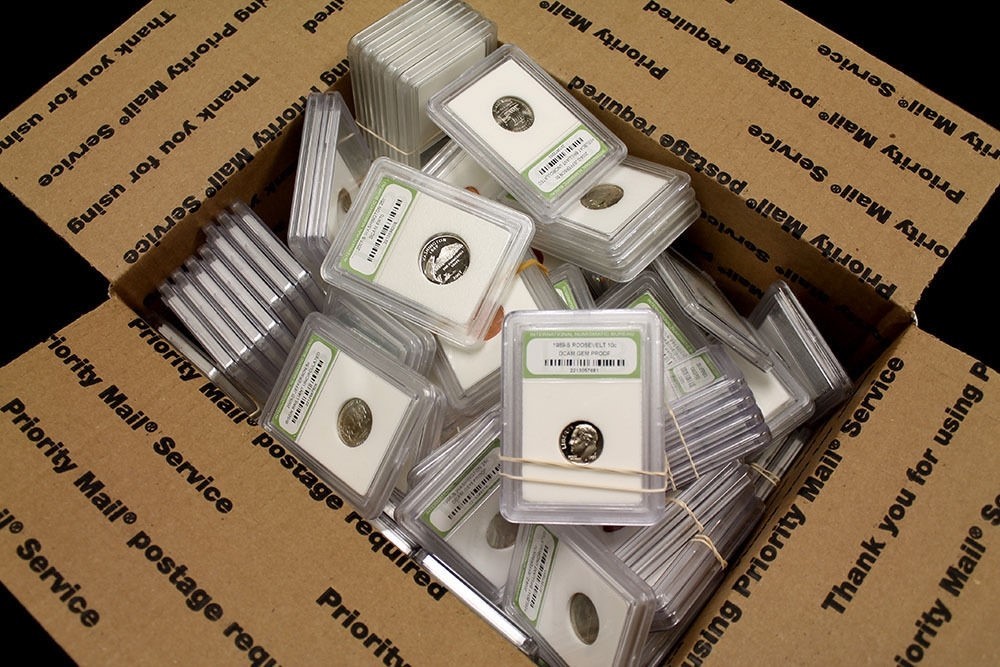
Paying a premium for numismatic appeal is justified when the item is certified by a reputable third-party grading service (e.g., PCGS, NGC) and the grade matches the catalog expectation for that specific coin. If a coin is uncertified, the premium risk is too high; the buyer is paying for potential, not proven value. A fair deal involves comparing the seller's asking price against current auction results for coins in the same certified grade and rarity designation. If a seller is asking 3x the average for an ungraded coin, the risk outweighs the potential reward.
Selling smart
Proving numismatic value in a listing immediately elevates the perceived worth. The single most effective action is providing a clear, high-resolution photo of the coin’s slab/certification label. If the coin is raw, a detailed photo showcasing the highest point of relief and the lowest point of field condition is necessary. Listing the coin with its established rarity designation (e.g., "Low Mintage," "Variety X") rather than just its year and denomination frames the item as a collector's piece, allowing the seller to capture the full numismatic premium.
On eBay right now
Current asking prices from live listings — not sold-comp medians.




eBay links are affiliate links: JunkPal may earn a commission at no cost to you.