What does “ngpcgs grade” mean?
What it means
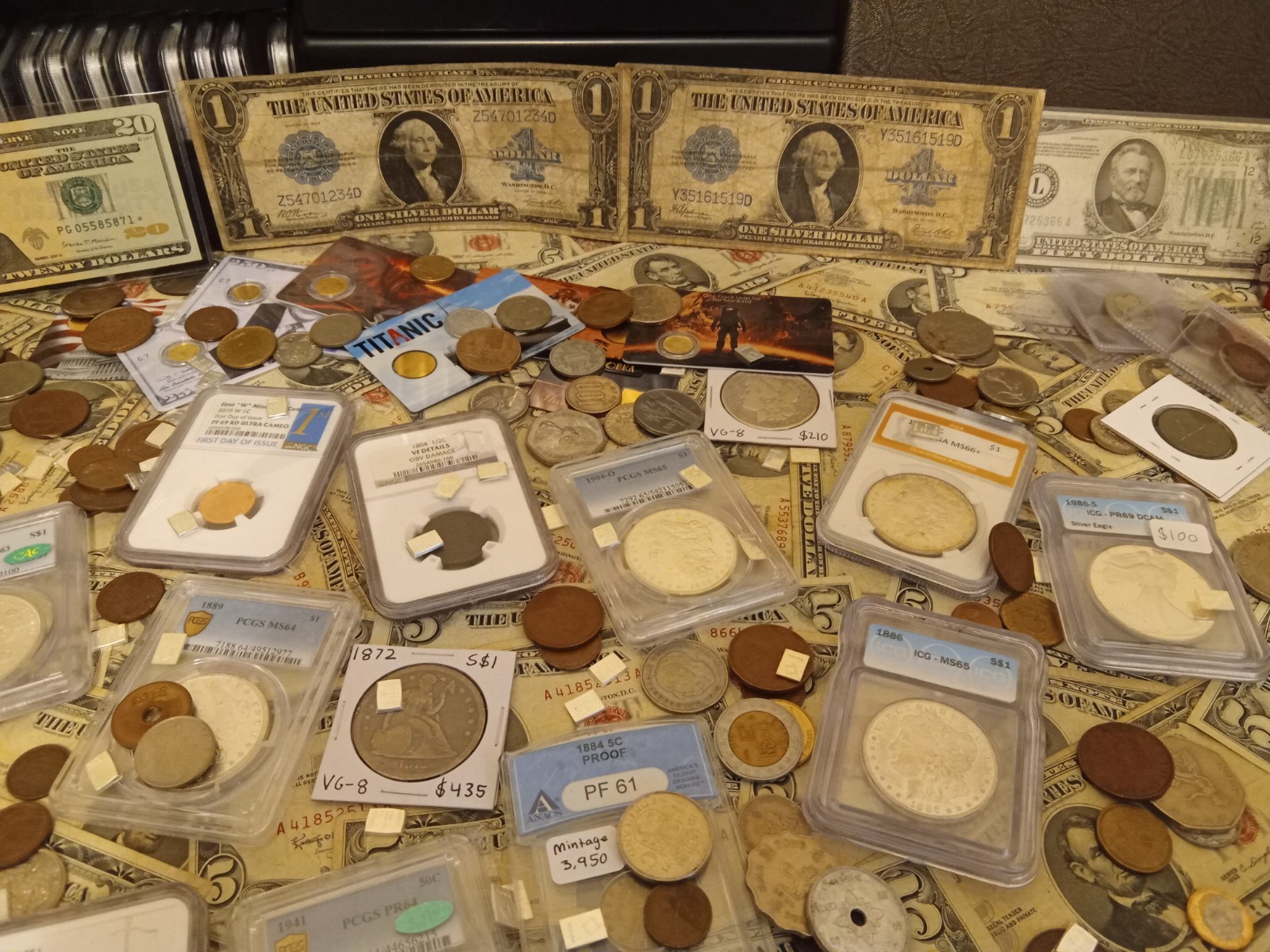
NGC grade refers to a certification provided by Numismatic Guaranty Corporation. This is a third-party authentication and grading service. When a coin receives an NGC grade, an expert assesses its authenticity, metal composition, and physical condition. The result is a numerical score, usually ranging from 1 (Poor) to 70 (Perfect Mint State). This grade is sealed within a tamper-proof holder, providing verifiable proof of the coin's state. The grade standardizes condition across the market, replacing subjective opinion with a measurable metric. This is the industry standard for third-party certification in modern numismatics.
What it does to price
Grading creates a significant price floor and ceiling. A coin graded by NGC commands a premium over the same coin "loose" (ungraded). For common coins, this premium can range from 20% to 100% depending on the grade achieved. For rare coins, the multiplier is much higher; a high-grade slabbed example can fetch 3x to 10x the price of a comparable ungraded specimen. Factors pushing the price up include a high numerical grade (e.g., MS-65+), a desirable population report rank, and a well-documented slab. A low grade (e.g., AU-50) might see a discount relative to the loose market price if the condition is poor. For example, a common silver coin graded MS-65 might sell for $150, whereas the same coin loose might sell for $60.
How to spot it
Authentic NGC slabs feature specific security elements, including holographic seals and unique serial numbers visible on the holder. The grading scale and associated details are printed clearly on the label. Common fakes involve counterfeit holders or photoshopped grades. To verify, the certification number on the slab must be entered into the official NGC database. A common honest mistake is confusing NGC certification with other grading services (e.g., PCGS, ANACS). Sellers should provide high-resolution photos of the entire slab, focusing on the NGC logo and the certification number, not just the coin surface.
Buying smart
Paying a premium for an NGC grade is justifiable when the coin is rare, high-value, or when the difference between a high grade and a low grade is substantial. If a coin is common, the premium may not justify the cost unless the grade is near perfect. A fair deal involves comparing the asking price against recent sales data for that specific grade and coin. If a coin is listed at 5x the established market value for that grade without exceptional provenance, it is likely overpriced. Always confirm the grade is what the seller claims before committing funds.
Selling smart
Presenting an NGC grade in a listing immediately validates the coin's condition and authenticity to serious buyers, drastically narrowing the pool to qualified, high-intent purchasers. The single most effective element in a listing is a clear, high-resolution photograph of the entire slab, showing the NGC certification number. This visual proof justifies the premium price. Listing the grade explicitly (e.g., "NGC MS-67") is more effective than simply stating "graded." The grade acts as an immediate filter, allowing sellers to target buyers willing to pay the necessary premium for certified quality.
On eBay right now
Current asking prices from live listings — not sold-comp medians.



eBay links are affiliate links: JunkPal may earn a commission at no cost to you.