What does “NGC grading” mean?
What it means
NGC grading is the standardized assessment of a coin’s physical condition by Numismatic Guaranty Corporation. It is a third-party authentication and grading service. The resulting numerical grade, typically 1 through 70, translates the coin's aesthetic state into a quantifiable metric. Grades range from Poor (P) to Mint State (MS) or Proof (PF). This system replaces subjective descriptions like "Very Fine" or "Extremely Fine" with an objective standard. The encapsulated holder provides a tamper-evident seal, guaranteeing the coin has not been altered since grading.
What it does to price
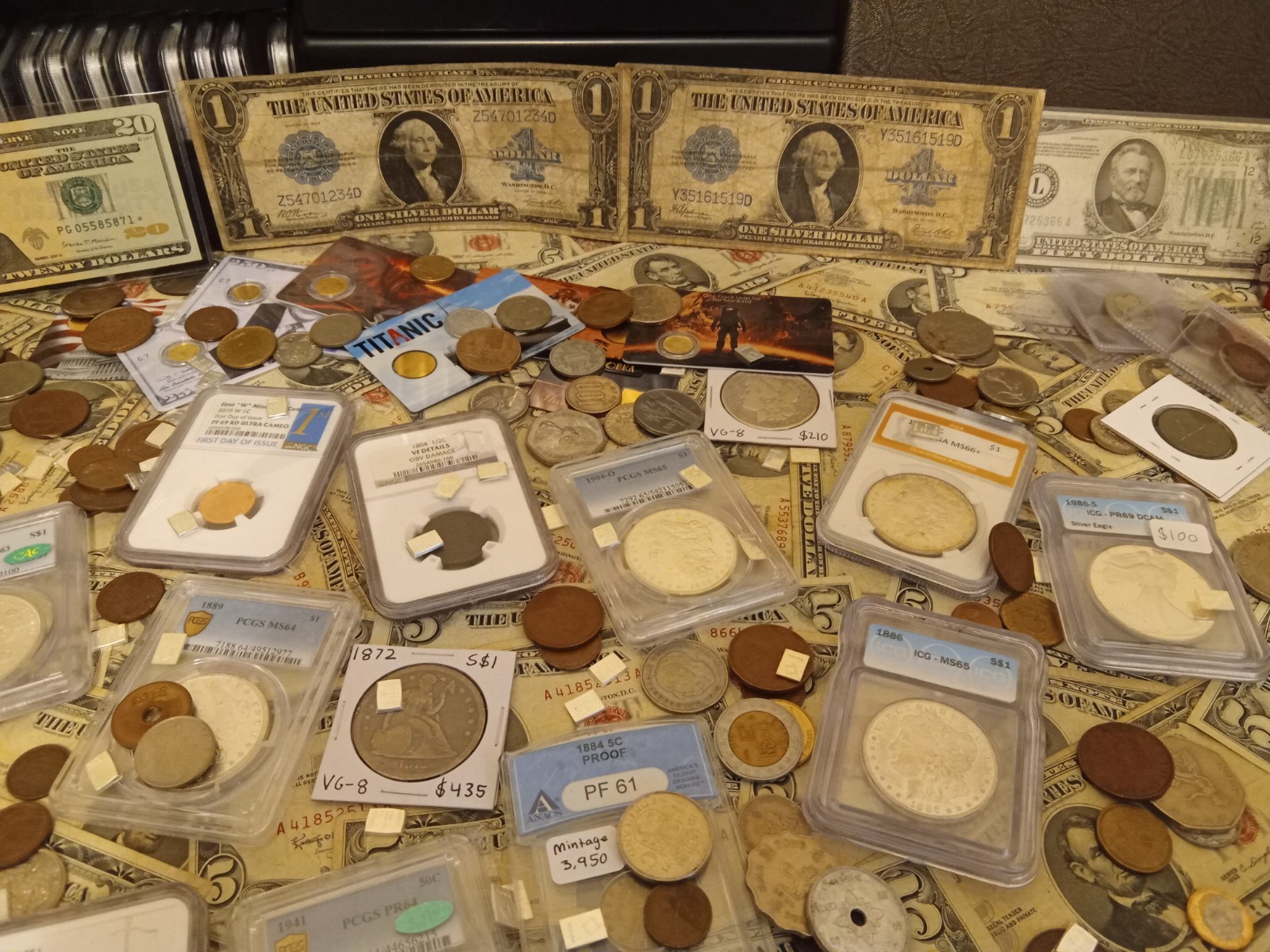
The grade is the primary driver of market value. The difference between a raw, ungraded coin and its professionally graded counterpart can be substantial, often representing a 2x to 10x multiplier depending on the coin's inherent scarcity. A jump from a MS-63 to an MS-65 can increase value by hundreds or even thousands of dollars for high-demand coins. Conversely, a poorly graded coin (e.g., a 30) that is later re-graded to a higher numerical grade can see a rapid, significant appreciation. For example, a common silver dollar graded MS-61 might sell for $50 loose, but the same coin sealed as MS-63 will typically command $150–$250.
How to spot it
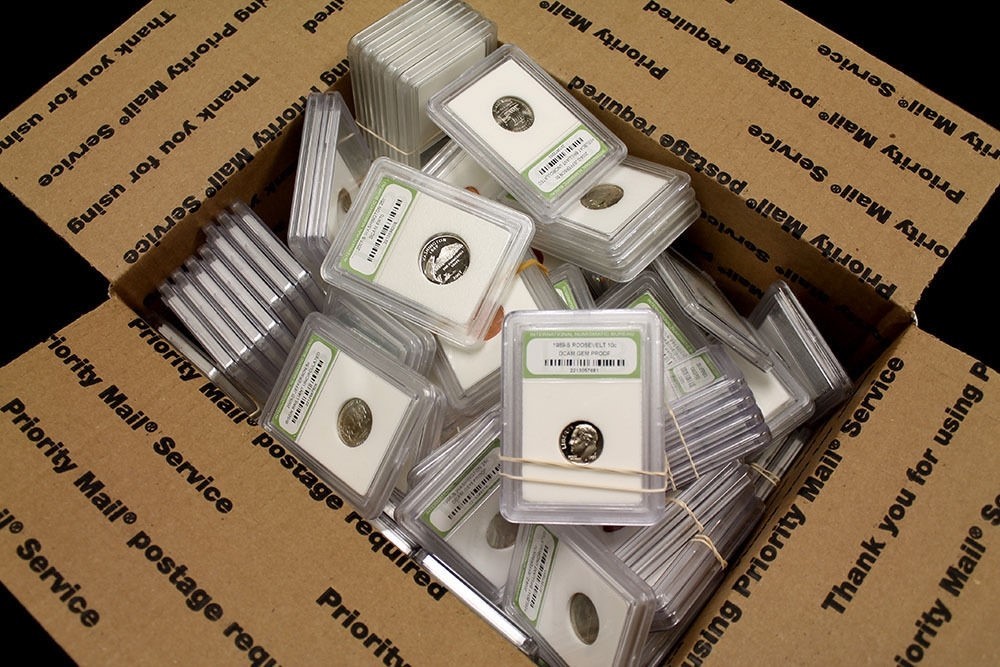
Authentic NGC coins arrive in sealed, plastic holders featuring the NGC logo and a unique certification number. The grade is printed clearly on the label. Fakes often use generic, non-standard holders or feature blurry, poorly printed labels. Common errors include sellers presenting a coin as graded when it is raw, or using counterfeit certification stickers. When purchasing online, demand high-resolution photos of the certification label itself, not just the coin. If the coin is encapsulated, the seal must appear unbroken and professional.
Buying smart
Paying for NGC grading is justified when the coin is rare, highly sought after, or when the grade is critical to the coin's value (e.g., high-grade Proof sets). For common, low-value circulating coins, the grading premium often outweighs the potential value increase. A fair deal involves comparing the asking price of the graded coin against recent auction results for that specific grade. If the asking price exceeds 1.5 times the average realized price for that grade, further scrutiny of the seller's reputation is required.
Selling smart
Presenting a coin in an NGC slab immediately elevates its perceived value and reduces buyer hesitation. The slab acts as a guarantee of authenticity and condition, attracting a broader, more serious collector base willing to pay a premium for certainty. The single most valuable element in a listing is the clear photograph of the certification label showing the grade and the NGC certification number. This proof of third-party verification is what allows the seller to command the top tier of the market price.
On eBay right now
Current asking prices from live listings — not sold-comp medians.



eBay links are affiliate links: JunkPal may earn a commission at no cost to you.