What does “MS grade” mean?
What it means
MS grade stands for Mint State. This designation confirms a coin is uncirculated; it has never passed through commerce. The grade itself is a numerical rating assigned by a third-party grading service (e.g., PCGS, NGC). The number following "MS" (e.g., MS-65) is a standardized scale reflecting the coin's preservation, luster, and sharpness of design elements. MS-60 is a high-quality uncirculated coin, while MS-70 represents the highest achievable state, often referred to as "Gem Uncirculated." The grade is not subjective opinion; it is a technical assessment of the coin's condition relative to established standards.
What it does to price
The numerical grade is the primary driver of value within the MS category. The difference between an MS-62 and an MS-65 of the same coin can represent a 3x to 10x price variance, depending on the coin's rarity. For common bullion coins, the premium is modest, perhaps 10-25% over a raw, ungraded uncirculated specimen. For scarce, high-grade examples (MS-68 and above), the premium is exponential. A well-graded MS-67 coin can command a premium of 500% or more compared to the same coin graded MS-63, simply due to scarcity at that specific grade level.
How to spot it
Visual inspection alone is insufficient for determining a true MS grade. The key tells are the presence of full mint luster and sharp, crisp details—no wear on high points like lettering or relief. Sellers must provide certified slab images. Common issues include "bag marks" (light surface scratches from storage) or minor contact marks, which will lower the grade. A common mistake is mislabeling a "Proof" coin as MS, or vice versa. Always verify the grading company's seal and the specific numerical designation on the holder.
Buying smart
Paying a premium for an MS grade is warranted when the coin is rare, has a high historical demand, or is approaching a significant milestone grade (e.g., reaching MS-67). If the coin is common and the grade is only slightly higher than what a reputable dealer can offer loose (e.g., MS-63 vs. MS-65), the incremental cost may not justify the small value jump. A fair deal involves the certified grade matching the asking price relative to recent auction results for that specific grade.
Selling smart
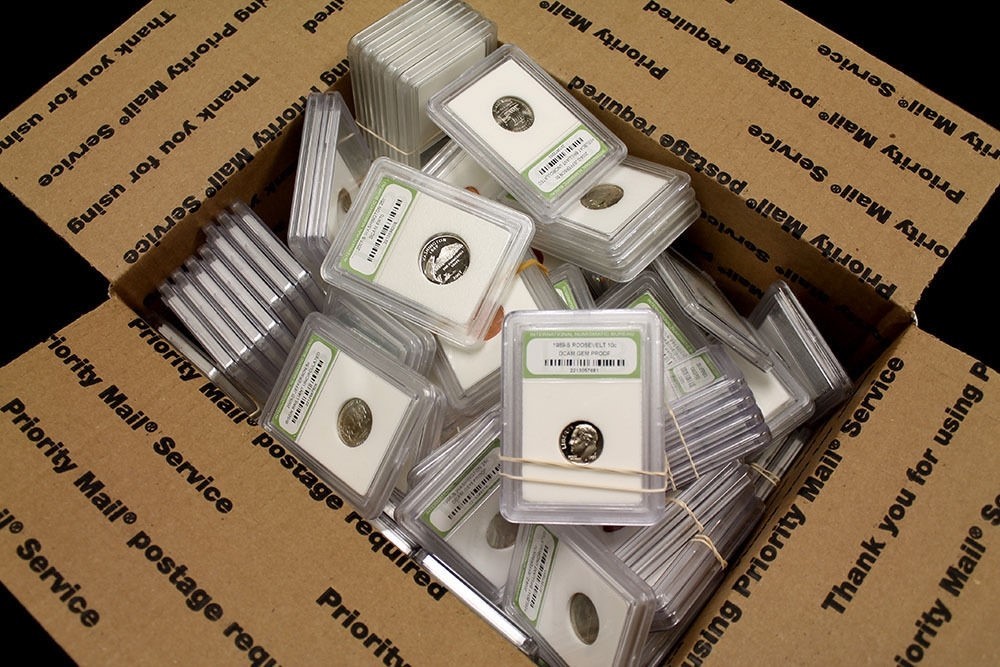
Listing a coin as "Certified MS-65, NGC" immediately establishes its value ceiling. Buyers pay a significant premium for the third-party guarantee; they are buying certainty, not just the metal. The single most valuable element in a listing is the clear, high-resolution photograph of the coin *inside* the official grading slab. This visual proof overrides any doubt about authenticity or grade, justifying the highest possible asking price.
On eBay right now
Current asking prices from live listings — not sold-comp medians.




eBay links are affiliate links: JunkPal may earn a commission at no cost to you.