What does MS-65 stand for?
What it means
MS-65 stands for Mint State 65. This is a professional grading designation assigned by third-party grading services (e.g., PCGS, NGC). It is not a subjective opinion but a standardized assessment of a coin's physical condition. MS-65 signifies a coin that has been handled minimally and exhibits very little, if any, wear. Details remain sharp, and the coin retains its original mint luster. The scale runs from MS-60 to MS-70. For the reseller, this grade confirms the coin has been preserved to a high, near-uncirculated standard, placing it firmly in the upper tier of collectible coins.
What it does to price
The MS-65 grade acts as a significant price multiplier over lower grades. The difference between a raw (ungraded) coin and a certified MS-65 can range from 2x to 8x, depending on the coin's rarity and current market demand. For a common coin, the premium might be modest, perhaps $10-$30 over a comparable raw example. For a scarce coin, the jump can be substantial; a rare coin might trade for $500 loose but command $2,500+ when professionally graded MS-65. Factors pushing the price up include sharp strike definition and vibrant, unmarred luster. Downward pressure comes from surface blemishes, such as light bag marks or minor contact marks, which can drop the grade to MS-63 or MS-64, causing a noticeable price drop.
How to spot it
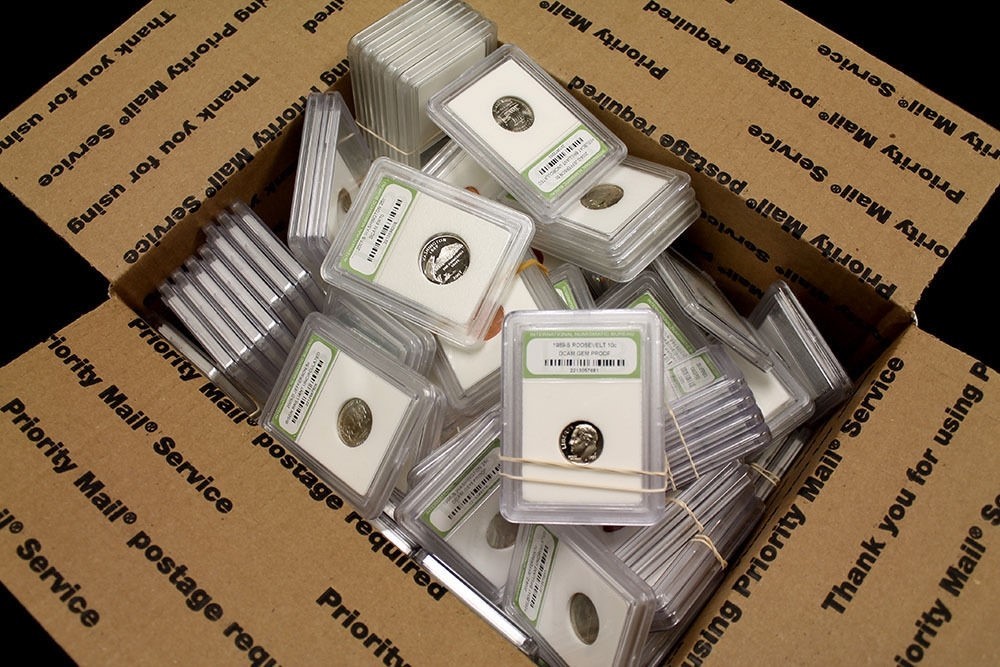
Authenticating the grade requires relying on the third-party slab, not the coin itself. The slab contains the certified grade (MS-65) and the coin's unique certification number. Sellers should provide high-resolution photos of the entire slab, clearly showing the grade. A common mistake is misrepresenting a coin as "Near Mint" when it is actually a lower grade. Fakes often involve counterfeit slabs or grading labels. If a seller claims MS-65 but provides only loose photos, the grade is unverified and should be treated as uncertified.
Buying smart
Paying the premium for an MS-65 is justified when the coin is scarce, historically significant, or part of a highly liquid collection. If the coin is common and the premium over a raw example is excessive (e.g., paying 5x the loose price for a common coin), the investment is poor. A fair deal involves the grade matching the coin's market history for that specific denomination. If the market average for that coin is $100 MS-65, and the seller asks $300, negotiation is required unless the coin possesses unique attributes.
Selling smart
When listing an MS-65 coin, the professional grading slab is the primary selling tool. The inclusion of the slab immediately validates the condition, removing the risk assessment from the buyer. The most valuable element in a listing is the clear, high-resolution photograph of the *certified slab*, showing the grade number prominently. Listing the coin as "PCGS MS-65" or "NGC MS-65" is more effective than describing the condition. This certification allows the seller to command the established premium associated with third-party verification.
On eBay right now
Current asking prices from live listings — not sold-comp medians.




eBay links are affiliate links: JunkPal may earn a commission at no cost to you.