What does “mount” mean?
What it means
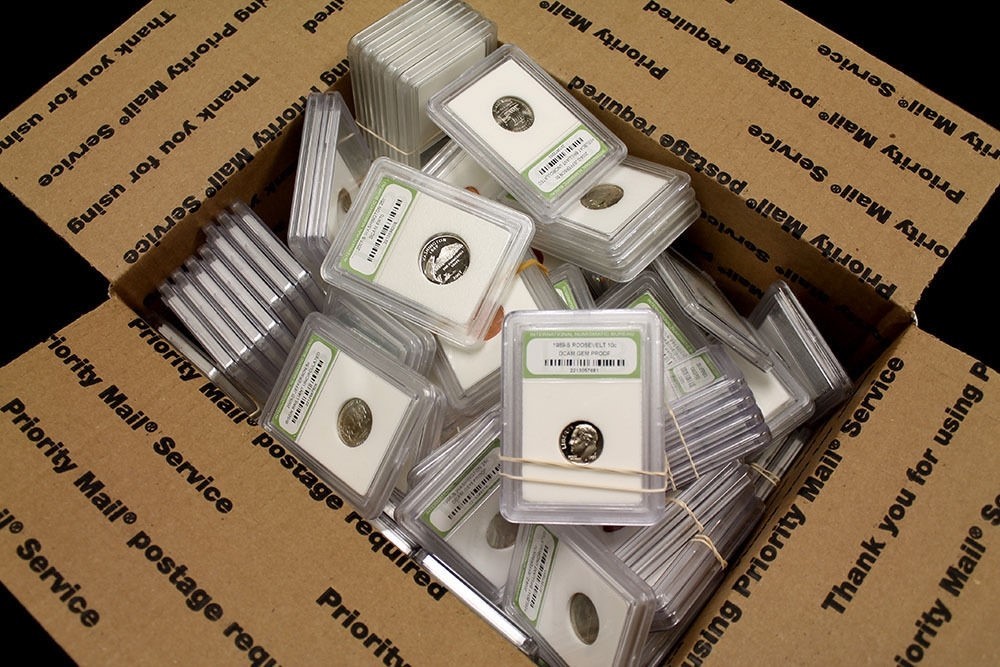
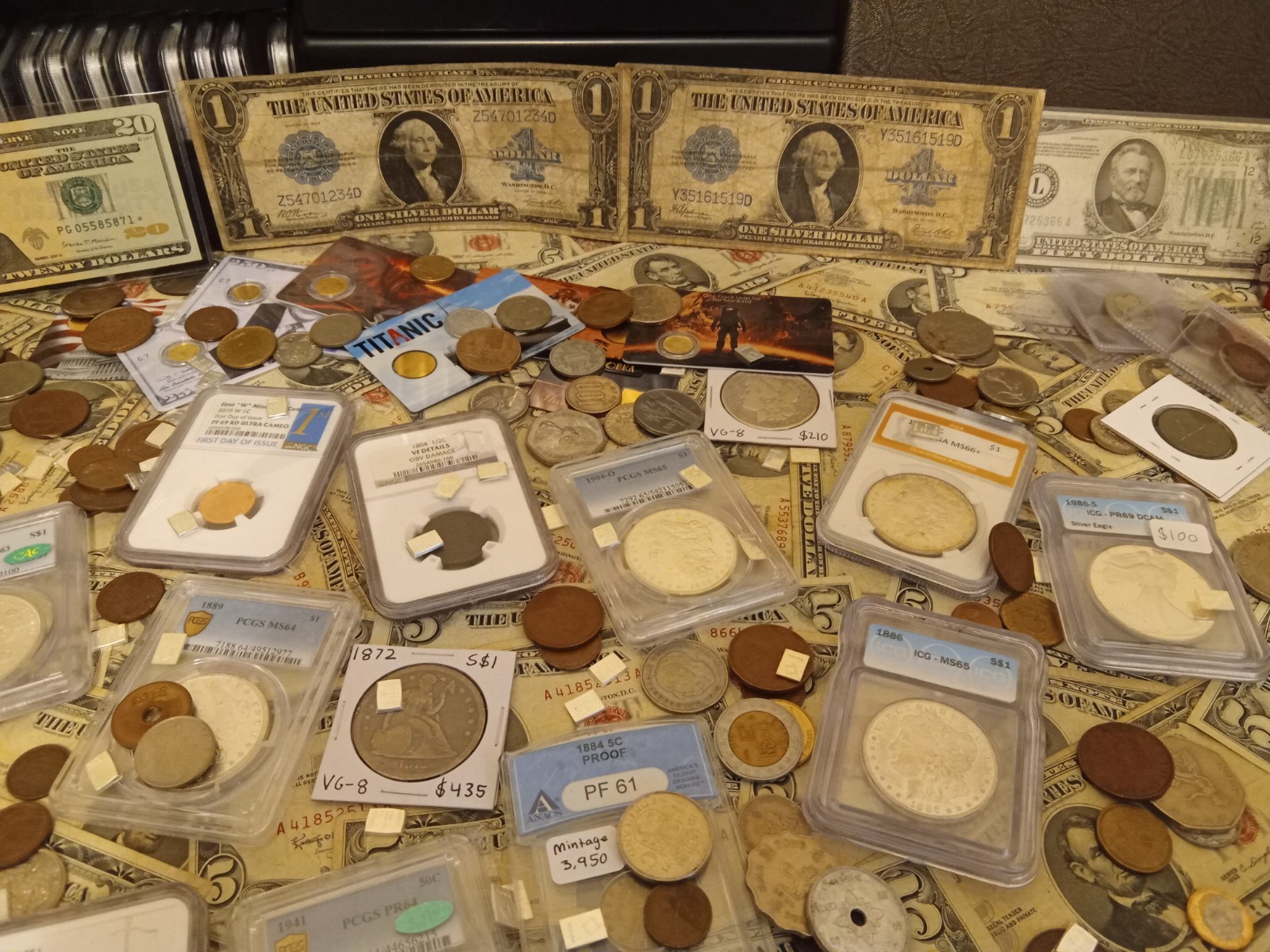
"Mount" in coin collecting refers to the protective housing or presentation medium surrounding a coin. This includes plastic holders (2x2s, Mylar flips), cardboard mounts, or professional grading slabs (e.g., PCGS, NGC). It is not the coin's grade (e.g., MS-65), but rather its physical preservation and display method. The function is twofold: preservation against environmental factors (oxidation, abrasion) and presentation for marketability. A "slab" is the highest form of mount, as it certifies the coin's grade and authenticity simultaneously.
What it does to price
The mounting itself adds a small, fixed premium, but the *quality* of the mount dictates the multiplier. A coin in a reputable, sealed, professional slab (e.g., NGC MS-65) will command a significant premium over the same coin loose or in a cheap, uncertified holder. This premium can range from 15% to over 100% depending on the coin's rarity and market demand. For a common coin, a professional slab might add $5–$15. For a high-value coin, the difference between a raw coin and a graded slab can easily be a 2x to 5x multiplier. Poor, damaged, or non-archival mounts actively decrease value because they signal poor handling.
How to spot it
Identify the type of holder. Slabbing companies use specific, proprietary packaging. Check for certification labels—these include a grade, a unique serial number, and the company logo. Common honest mistakes include using non-archival PVC holders, which can leach chemicals and damage the coin over time. Fakes involve counterfeit slabs or mis-graded coins placed in legitimate-looking holders. Always verify the slab's authenticity through the grading service's online database using the provided serial number.
Buying smart
Paying a premium for a mount is justified when the coin is rare, high-value, or when the buyer requires immediate insurance/verification. For common, low-value coins, the cost of the slab and the associated grading fees often outweigh the potential price increase. A fair deal involves comparing the price of the coin *in slab* against the price of the same coin *loose* plus the known cost of professional grading. If the slab premium is disproportionately high compared to the coin's market tier, the asking price is inflated.
Selling smart
Listing a coin in a professional, sealed slab immediately elevates its perceived condition and reduces buyer risk, allowing for a higher asking price. The single most effective element in a listing is a clear, high-resolution photograph of the coin *within its official slab*. This photo serves as immediate proof of preservation and third-party validation, justifying the premium over an unmounted specimen. Buyers pay more for certainty, and a verified slab provides that certainty instantly.
On eBay right now
Current asking prices from live listings — not sold-comp medians.



eBay links are affiliate links: JunkPal may earn a commission at no cost to you.