What does “mint state” mean?
What it means
Mint state refers to a coin exhibiting no signs of circulation wear, scratches, or surface damage. It is the pinnacle grade, equivalent to MS-65 or higher in professional grading standards (like PCGS or NGC). This condition implies that all design elements—hairlines, lettering, and relief—are sharp and fully defined, and the coin retains its original mint luster. Any visible contact marks, bag marks, or environmental toning immediately disqualify a coin from being truly "mint state." The term denotes a coin as if it were pulled directly from the minting press.
What it does to price
The difference between a circulated example and a true mint state example can result in price multipliers ranging from 5x to 50x, depending on the coin's rarity. For common bullion issues, the premium might be minimal, perhaps 10-20% over a high-grade circulated piece. For rare, high-demand coins, the jump is exponential. A coin graded MS-65 might fetch $1,500, while the same coin in flawless, certified mint state could command $15,000 or more. Factors pushing the price up include perfect strike quality and absence of any handling marks.
How to spot it
Spotting true mint state requires close inspection under magnification. Look for crisp, sharp edges on all lettering and devices; there should be no rounding of high points. Luster must be evident across the entire surface, not just in isolated spots. Sellers must provide high-resolution, focused photos showing the entire surface area, including the fields and rims. Common issues include "bag marks"—light abrasions from being stored in plastic flips—which instantly degrade the grade. Fakes often exhibit dullness or unnatural, overly bright areas of artificial luster.
Buying smart
Paying a premium for mint state is justified when the coin is rare, has high numismatic demand, or is part of a specific high-grade collection. If the coin is common or easily found in decent condition, the premium is rarely worth the investment. A fair deal means the asking price aligns closely with established auction results for certified examples of that specific grade. If a seller is asking for a 10x premium over comparable graded examples without providing verifiable third-party certification, the price is inflated.
Selling smart
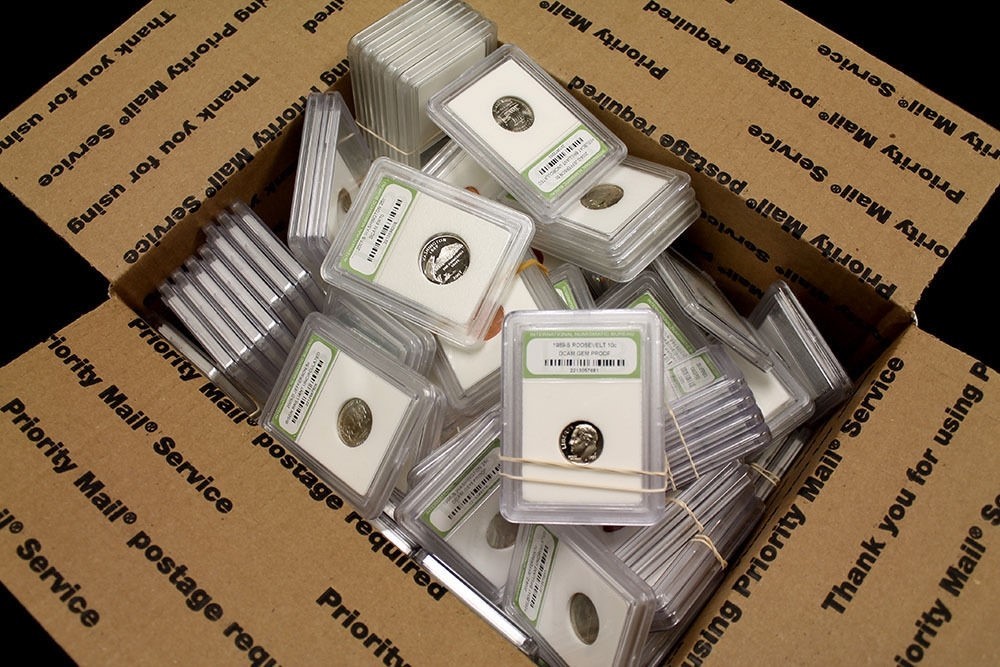
Proving mint state in a listing dictates the buyer's willingness to pay the top tier. Listings must explicitly state the condition and, ideally, include a photo that demonstrates the sharpness of the finest detail (e.g., the highest point of a letter or portrait). The single most valuable asset in a sale is third-party certification (e.g., a PCGS slab). A coin that is visually described as "mint state" but uncertified will sell for significantly less than the same coin accompanied by a Grade 67 or higher certification label.
On eBay right now
Current asking prices from live listings — not sold-comp medians.




eBay links are affiliate links: JunkPal may earn a commission at no cost to you.