What does “historical note” mean?
What it means
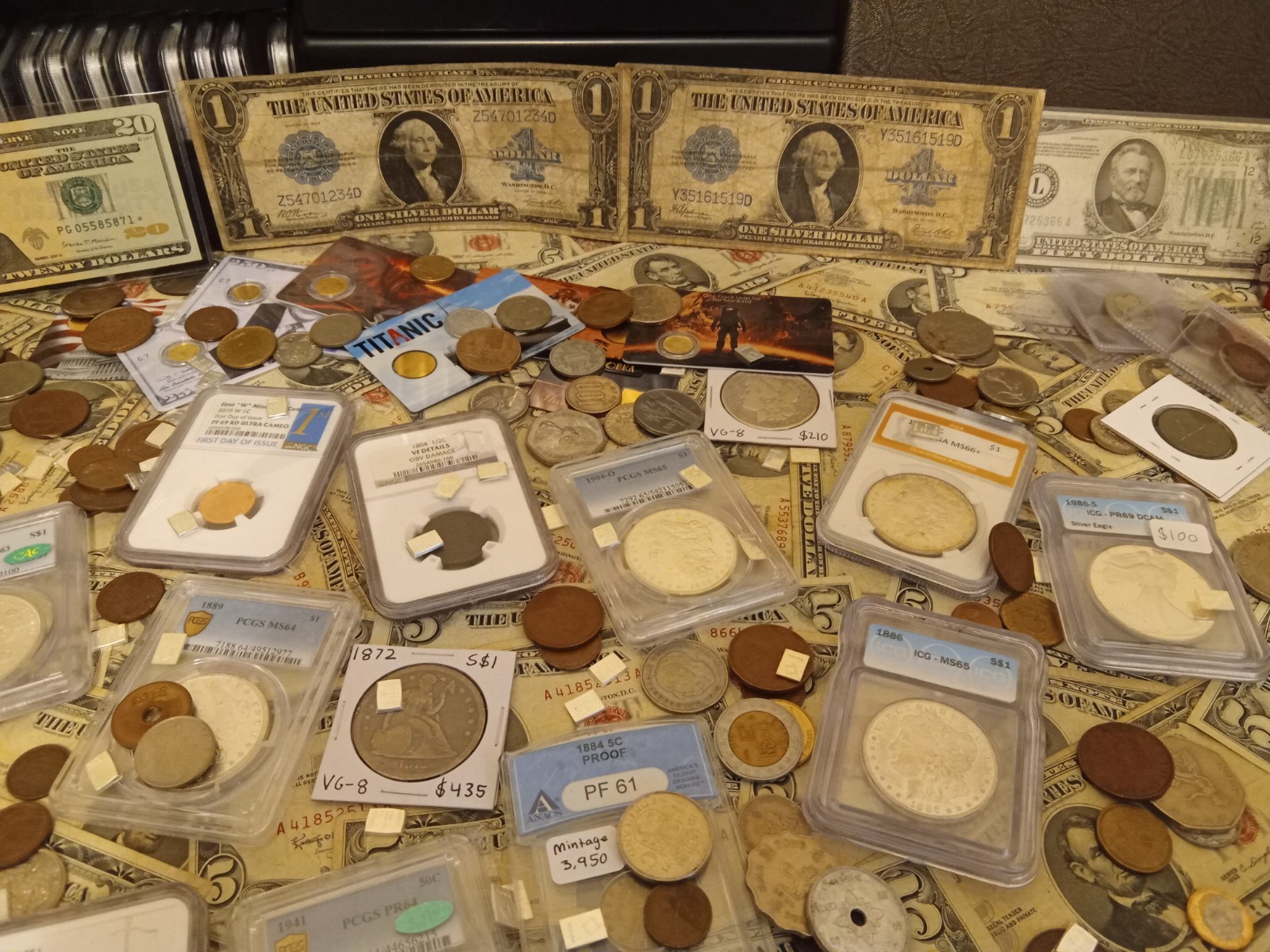
A historical note is a banknote or paper currency that has been withdrawn from active circulation. Its value derives from its historical context—the period, event, or entity that issued it—rather than its face value as money. This category is distinct from mere "old currency"; it requires demonstrable significance. Significance can stem from economic milestones (e.g., wartime currency), political changes, or specific commemorative events. The term encompasses both common circulation remnants and scarce, limited-run issues.
What it does to price
Condition dictates the primary price driver. A note graded Uncirculated (UNC) will command a significant premium over a circulated (Fine or Very Fine) example, often 3x to 10x the value, depending on rarity. Rarity acts as a multiplier; a note from a known, small print run can increase value exponentially. For example, a common 1950s regional note might sell for $5 loose, but a verified, scarce 1920s state issue in UNC condition could easily fetch $150+. Damage, such as heavy creasing, pinholes, or significant toning, acts as a direct discount, reducing value by 30% or more.
How to spot it
Identification relies on specific print details, serial numbering patterns, and issuing authority markings. Sellers must provide high-resolution images of the entire note, focusing specifically on the portrait, denomination text, and any security features of the era. Common red flags include mismatched ink colors, blurry printing (suggesting poor reproduction), or overly sharp, uniform edges on a note that should show wear. A frequent honest mistake is misidentifying a modern reprint as an original historical issue. Fakes often replicate the general look but fail on microprinting or paper stock texture.
Buying smart
Premium pricing is justified when the note possesses verifiable scarcity and high aesthetic condition. Paying a high price is worthwhile for documented, low-mintage pieces tied to major historical events, where the collectible narrative adds significant value. Conversely, paying a high premium for a common, well-circulated note with no unique historical marker is poor investment. A fair deal involves a price that reflects the note's grade relative to established market comparables for that specific series.
Selling smart
Professional grading (e.g., PCGS, PMG) is the single most effective way to maximize sale price. A certified slab immediately signals authenticity and condition to serious buyers, justifying a higher asking price. The essential element for listing is a clear, high-resolution photograph showing the full front and back, alongside any visible serial number. Adding the specific grade designation (e.g., "AU-58 Certified") in the title earns the premium over a listing that simply states "Good condition."
On eBay right now
Current asking prices from live listings — not sold-comp medians.



eBay links are affiliate links: JunkPal may earn a commission at no cost to you.