What does “high mintage coin” mean?
What it means
A high mintage coin is one struck in a very large number by the issuing mint. The mintage figure is the total quantity produced. In numismatics, this is a direct measure of supply. High mintage implies high supply. This contrasts with "rarity," which is a broader term encompassing scarcity, condition, and demand. A high mintage coin is inherently less scarce than a low mintage coin. However, high mintage does not equate to low value; value is determined by supply *and* demand, not just supply.
What it does to price
High mintage generally acts as a ceiling on potential price spikes. A coin with a mintage of several million will rarely command the same premium as a coin with a mintage of a few thousand, assuming all other factors are equal. The primary price driver for high mintage items becomes condition. A high mintage coin graded Mint State 65 (MS 65) will fetch significantly more than the same coin graded Good (G4). For example, a common 1982 Lincoln Cent (high mintage) in MS-65 might sell for $15-$30, whereas the same coin in G4 might sell for under $1.
How to spot it
The mintage figure is typically found in the coin's official catalog listing or on the coin itself, often as a specific date or mint mark variation. For modern issues, the mint often publishes the mintage figures online. Sellers must provide the exact mintage number. Common mistakes involve confusing the mintage number with the circulation quantity, which can differ slightly. Fakes are less common based solely on mintage, but misrepresentation of the actual mintage figure is a frequent issue in online listings.
Buying smart
Paying a premium for a high mintage coin is only justified when the coin possesses exceptional attributes that override its high supply. This means top-tier grading (e.g., MS-67 or higher) or significant historical relevance (e.g., a specific error or commemorative issue that was over-produced but highly desired). If the coin is in average or poor condition, the high mintage acts as a strong downward pressure on value. A fair deal requires the price to reflect the condition premium, not just the existence of the coin.
Selling smart
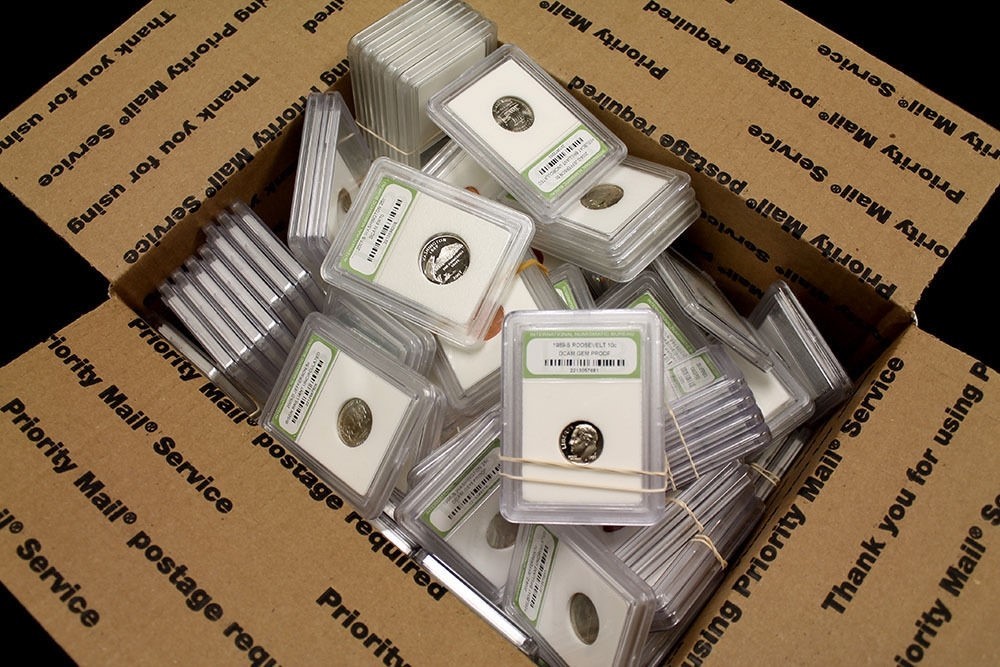
When listing a high mintage coin, the mintage figure should be listed clearly but not overstated as a selling point. The focus must shift immediately to the coin's grade and visual quality. The single most effective word or photo is the professional grading slab. If the coin is professionally graded (PCGS, NGC), that slab photo instantly validates the condition, allowing the seller to capture the maximum price achievable for that specific grade, regardless of the high mintage.
On eBay right now
Current asking prices from live listings — not sold-comp medians.




eBay links are affiliate links: JunkPal may earn a commission at no cost to you.