What does “gold proof” mean?
What is Golden Proof?
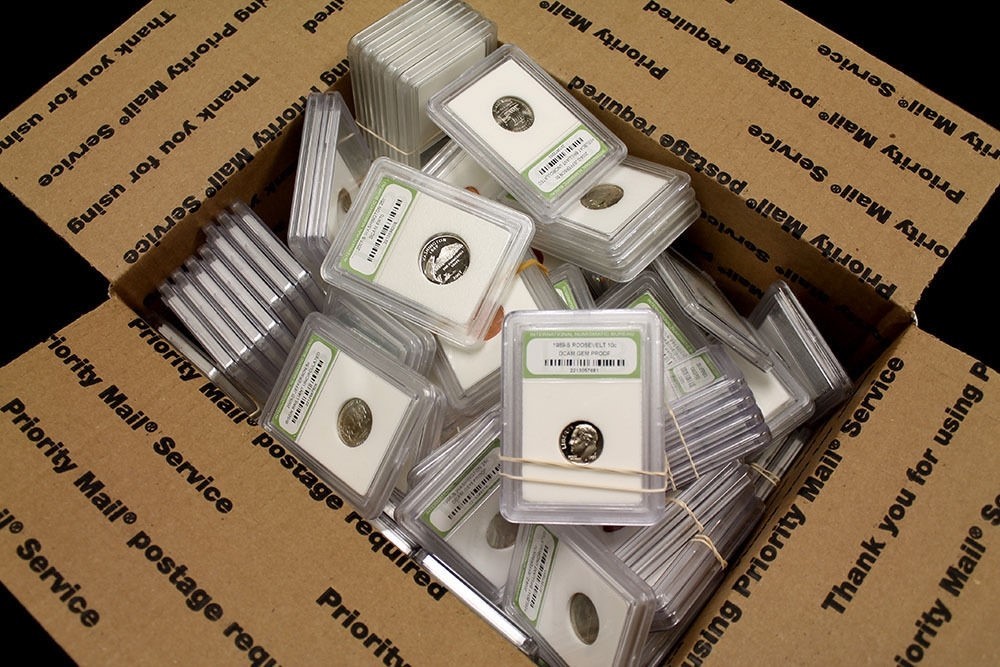
What is golden proof? It is a gold coin struck using the proof process, a specialized minting technique designed to maximize visual appeal by creating an extreme contrast between the coin's background and its design. This process involves striking the coin against hardened dies, resulting in a superior specimen characterized by a mirror-like, polished field and frosted or cameo-like devices. Unlike standard bullion coins, the proof designation confirms the item is a premium, collector-grade piece valued for its aesthetic finish and superior detail.
Impact on Resale Value
The proof designation commands a substantial premium over the same coin struck as a regular bullion piece. For comparable gold coins, a well-struck, high-grade proof can fetch anywhere from 2x to 5x the price of its standard mint counterpart, heavily dependent on the coin's rarity and current market demand. Factors driving the price up include exceptional luster, razor-sharp strike definition, and perfect surface preservation. Conversely, visible contact marks or minor surface blemishes will significantly reduce this premium. Understanding the difference between standard and proof strikes is crucial when evaluating [coin grading standards].
How to Spot and Verify Proof Quality
The primary tell is the visual contrast: the highly reflective, mirror-like field set against the matte or frosted design elements. Proof coins are often identified by specific minting codes or packaging markings indicating "Proof" or "P." When examining a coin, ensure the luster is deep and consistent across the field. Be wary of "false proofs"—coins artificially polished to mimic the proof luster. A common error is confusing a high-quality, well-preserved standard strike with a true proof; the contrast level will be noticeably lower on the standard strike. For more detailed analysis of coin finishes, consult our guide on [coin surface characteristics].
Real-World Contexts
Consider a common gold coin series. If the standard bullion version sells for a baseline value, the proof version, if perfectly struck, should reflect that premium multiplier. For instance, a highly desirable, low-mintage gold proof coin might sell for a price significantly higher than its bullion counterpart, reflecting the collector demand for its presentation quality. Conversely, a common bullion piece with a proof finish might only see a modest premium because the aesthetic advantage does not outweigh the coin's low intrinsic collector appeal.
Buying and Selling Strategy
When buying, the proof premium is justified only when the coin is rare or highly sought after by collectors. If the coin is common, the premium often doesn't justify the cost increase unless aesthetic display is the sole goal. A fair deal requires the premium to be proportionate to the visual quality. When selling, correctly labeling the coin as "Gold Proof" immediately places it in the premium collector tier, attracting buyers willing to pay the necessary premium. The most effective listing tool is a high-resolution photo that clearly captures the mirror-like field against the frosted device.
FAQ
What is the difference between proof and bullion? Bullion coins are primarily valued for their metal content and are struck for investment, resulting in a standard, less polished finish. Proof coins are struck for collectors, featuring a specialized finish that maximizes visual contrast and luster, commanding a higher premium.
Can I tell if a coin is a proof just by looking at it? Yes, the most immediate indicator is the dramatic contrast between the field and the design. Look for a mirror-like background juxtaposed against a frosted or cameo-like design element.
Are all gold proof coins valuable? No. While the proof finish adds value, the final resale price is determined by the coin's rarity, the quality of the strike, and the overall market demand for that specific design, not just the proof designation itself.
Related on JunkPal
- [Jac Caglianone [Gold Proof] #37 2024 Panini Stars & Stripes Baseball — Card Value](https://junkpal.ai/products/jac-caglianone-gold-proof-37-baseball-cards-2024-panini-stars-stripes-sport)
- [Kaelen Culpepper [Gold Proof] #68 2024 Panini Stars & Stripes Baseball — Card Value](https://junkpal.ai/products/kaelen-culpepper-gold-proof-68-baseball-cards-2024-panini-stars-stripes-sport)
- [Konnor Griffin [Gold Proof] #91 2024 Panini Stars & Stripes Baseball — Card Value](https://junkpal.ai/products/konnor-griffin-gold-proof-91-baseball-cards-2024-panini-stars-stripes-sport)
On eBay right now
Current asking prices from live listings — not sold-comp medians.




eBay links are affiliate links: JunkPal may earn a commission at no cost to you.